- Today
- Holidays
- Birthdays
- Reminders
- Cities
- Atlanta
- Austin
- Baltimore
- Berwyn
- Beverly Hills
- Birmingham
- Boston
- Brooklyn
- Buffalo
- Charlotte
- Chicago
- Cincinnati
- Cleveland
- Columbus
- Dallas
- Denver
- Detroit
- Fort Worth
- Houston
- Indianapolis
- Knoxville
- Las Vegas
- Los Angeles
- Louisville
- Madison
- Memphis
- Miami
- Milwaukee
- Minneapolis
- Nashville
- New Orleans
- New York
- Omaha
- Orlando
- Philadelphia
- Phoenix
- Pittsburgh
- Portland
- Raleigh
- Richmond
- Rutherford
- Sacramento
- Salt Lake City
- San Antonio
- San Diego
- San Francisco
- San Jose
- Seattle
- Tampa
- Tucson
- Washington
The Beer Buyers Who Curate Your Local Liquor Store's Selection
France 44's Bill Nosan and Thomas Liquors' 'Fitty' Fitzpatrick have decades of experience selecting the best brews for their customers.
Apr. 10, 2026 at 2:40pm
Got story updates? Submit your updates here. ›
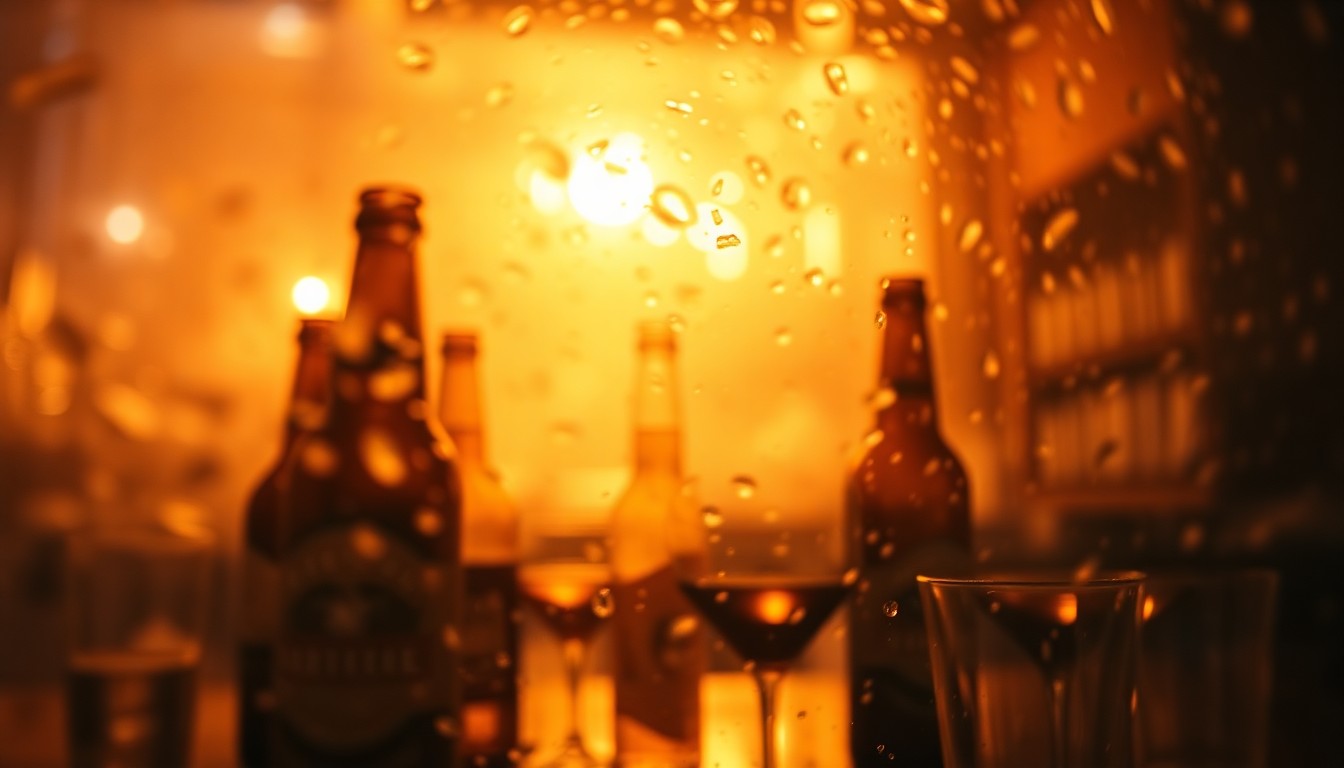 The skilled beer buyers at local liquor stores play a crucial role in shaping the craft beer landscape by carefully curating their selections to match the tastes of their communities.Minneapolis Today
The craft beer boom has led to an explosion of breweries in Minnesota, with over 200 now operating in the state. This has created a challenge for local liquor stores to curate their beer selections, with buyers like Bill Nosan at France 44 and Joe 'Fitty' Fitzpatrick at Thomas Liquors playing a crucial role in determining which brews make it onto the shelves. These veteran beer buyers share their insights on how they discover new favorites, what factors influence their decisions, and what styles they wish were more readily available.
Why it matters
As the craft beer market continues to evolve, the role of skilled liquor store buyers like Nosan and Fitzpatrick has become increasingly important. They act as the gatekeepers between the breweries and the consumers, using their deep knowledge and personal tastes to curate beer selections that reflect the preferences of their local communities. Their choices impact what beers Minnesotans are able to discover and enjoy.
The details
Bill Nosan has been the beer buyer at the large independent France 44 liquor store in Minneapolis for over 20 years, while Joe 'Fitty' Fitzpatrick has held a similar role at the smaller Thomas Liquors in St. Paul since 1998. Both men have developed extensive expertise in the beer industry, with Nosan getting his start bartending in college and Fitzpatrick previously working for a beer distributor. They rely on a combination of customer feedback, personal taste, and brand reputation to decide which new beers to bring in, with a focus on finding the best quality and most unique offerings. Nosan and Fitzpatrick also take pride in creating their own curated beer packs and variety mixes to introduce customers to new favorites.
- Bill Nosan started working at France 44 in the wine department, before transitioning to the beer buyer role as the local craft beer scene was exploding in the early 2010s.
- Joe 'Fitty' Fitzpatrick was hired as the beer buyer at Thomas Liquors in 1998, after previously working with the distributor that carried Summit Brewing.
The players
Bill Nosan
The beer buyer at the large independent France 44 liquor store in Minneapolis, with over 20 years of experience in the role.
Joe 'Fitty' Fitzpatrick
The beer buyer at the smaller Thomas Liquors in St. Paul, who has held the position since 1998 after previously working for a beer distributor.
What they’re saying
“Summit EPA was an introduction of hops for me. Back in the day, we were in the top 10, 20 accounts for Summit. It was our No. 1 beer by far. I remember comparing it to Sierra Nevada Pale. I liked Sierra Nevada Pale Ale more because of that hop character. Summit EPA, I think, really kick-started the hop-centric palates of Minnesotans.”
— Joe 'Fitty' Fitzpatrick, Beer Buyer, Thomas Liquors
“In college I drank a lot of Lost Rhino's Rhino Chaser and Mad River's Extra Pale Ale and Extra Stout. These were beers that tasted like nothing else around because back in the '90s, if you had a great selection of beer, it was all imports. There was no Fair State, Falling Knife, or Barrel Theory. If I wanted world-class beers, I bought imports.”
— Bill Nosan, Beer Buyer, France 44
The takeaway
As the craft beer landscape continues to evolve, the role of skilled liquor store buyers like Bill Nosan and Joe 'Fitty' Fitzpatrick has become increasingly important. They use their deep knowledge, personal tastes, and connections within the industry to curate beer selections that reflect the preferences of their local communities, acting as the gatekeepers between the breweries and the consumers.
Minneapolis top stories

Minneapolis events
Apr. 10, 2026
John Mulaney: Mister Whatever
Apr. 10, 2026
Tchaikovsky Symphony No. 6
Apr. 10, 2026
Brad Williams: The Tall Tales Tour