- Today
- Holidays
- Birthdays
- Reminders
- Cities
- Atlanta
- Austin
- Baltimore
- Berwyn
- Beverly Hills
- Birmingham
- Boston
- Brooklyn
- Buffalo
- Charlotte
- Chicago
- Cincinnati
- Cleveland
- Columbus
- Dallas
- Denver
- Detroit
- Fort Worth
- Houston
- Indianapolis
- Knoxville
- Las Vegas
- Los Angeles
- Louisville
- Madison
- Memphis
- Miami
- Milwaukee
- Minneapolis
- Nashville
- New Orleans
- New York
- Omaha
- Orlando
- Philadelphia
- Phoenix
- Pittsburgh
- Portland
- Raleigh
- Richmond
- Rutherford
- Sacramento
- Salt Lake City
- San Antonio
- San Diego
- San Francisco
- San Jose
- Seattle
- Tampa
- Tucson
- Washington
Cosmic Mirrors Spark Concerns Over Disrupting Earth's Natural Light Cycle
Ambitious plan to beam sunlight onto the dark side of Earth raises alarms about potential health and ecological impacts
Apr. 10, 2026 at 8:10pm
Got story updates? Submit your updates here. ›
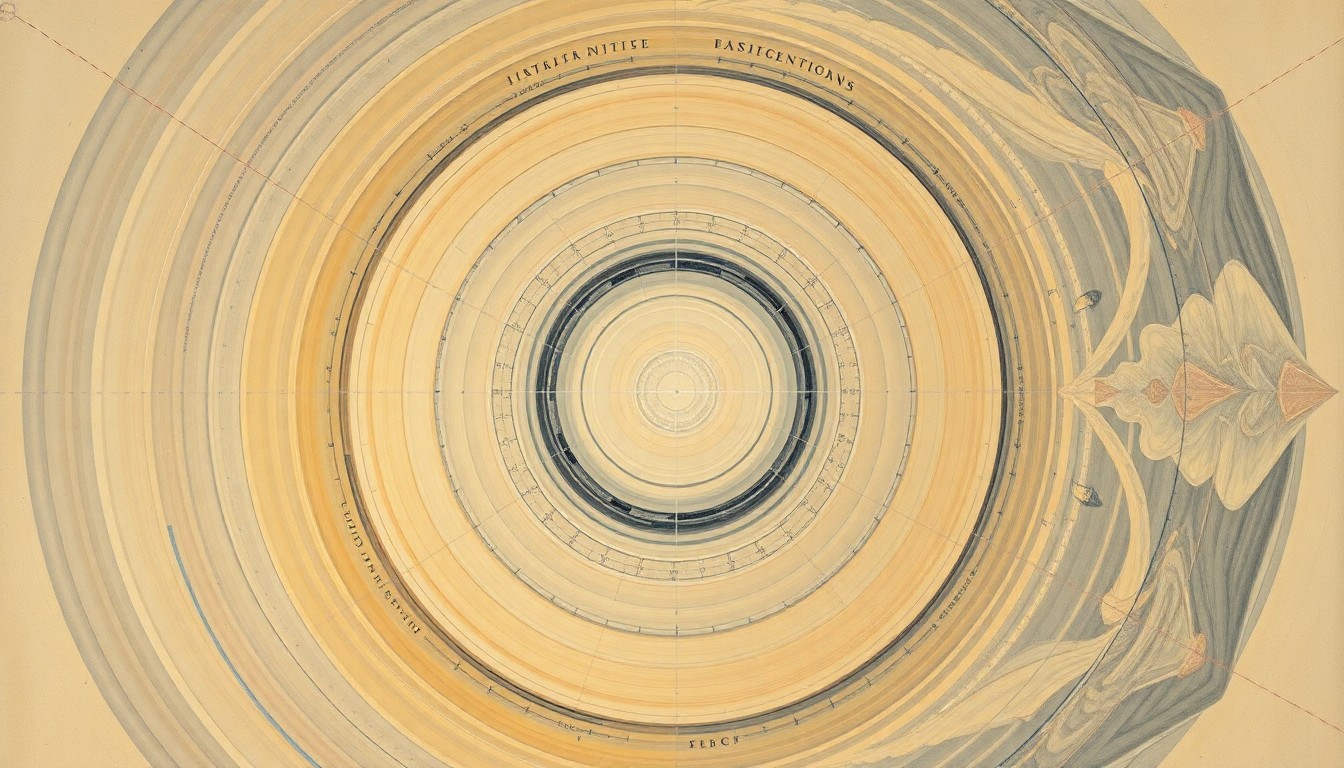 As humanity contemplates altering the natural light cycles of our planet on an unprecedented scale, this abstract visualization captures the complex scientific forces at play and the potential ecological consequences of such an ambitious endeavor.Minneapolis Today
A company called Reflect Orbital is proposing to launch a massive array of 50,000 mirrors into orbit to beam sunlight onto the dark side of Earth, with the goal of powering solar farms at night and aiding rescue operations. However, this audacious plan has sparked serious concerns from the scientific community about the profound disruption it could cause to the planet's natural light cycle and the cascading effects on human health, wildlife, and ecosystems.
Why it matters
Our planet has evolved over millennia with a distinct rhythm of day and night, and deliberately altering this fundamental balance could have unpredictable consequences. Leading chronobiology experts warn of "major adverse health consequences" from disrupting circadian rhythms, while ecologists fear the project could disrupt the navigation and behaviors of countless nocturnal species that rely on the natural darkness.
The details
Reflect Orbital envisions these mirrors as cosmic night lights, capable of illuminating areas miles wide with brightness ranging from a full moon to full noon. Simulations show the mirrors could potentially blot out the stars entirely, rendering the night sky unusable for migratory birds, insects, and other creatures that navigate by the stars. The project also arrives amid growing concerns over the crowding of low-Earth orbit, with risks of collisions, atmospheric pollution, and falling debris.
- Reflect Orbital first announced the mirror project in early 2026.
- Leading chronobiology societies have voiced concerns to regulatory bodies like the FCC in recent months.
The players
Reflect Orbital
A company proposing to launch a massive array of 50,000 mirrors into orbit to beam sunlight onto the dark side of Earth.
Chronobiology Societies
Leading scientific organizations that study the biological clocks and rhythms of living organisms, who have raised alarms about the potential health impacts of the mirror project.
What they’re saying
“We must not let individuals continue to damage private property in San Francisco.”
— Robert Jenkins, San Francisco resident
“Fifty years is such an accomplishment in San Francisco, especially with the way the city has changed over the years.”
— Gordon Edgar, grocery employee
The takeaway
This ambitious mirror project highlights the growing tension between our technological ambitions in space and our understanding of the potential consequences. As we seek to harness the cosmos, we must carefully consider the delicate balance of life on Earth and the unintended impacts our actions could have on the natural world.
Minneapolis top stories



Minneapolis events
Apr. 11, 2026
John Mulaney: Mister Whatever
Apr. 11, 2026
Suffs (Touring)
Apr. 11, 2026
Bloodywood: System Of A Brown Tour 2026