- Today
- Holidays
- Birthdays
- Reminders
- Cities
- Atlanta
- Austin
- Baltimore
- Berwyn
- Beverly Hills
- Birmingham
- Boston
- Brooklyn
- Buffalo
- Charlotte
- Chicago
- Cincinnati
- Cleveland
- Columbus
- Dallas
- Denver
- Detroit
- Fort Worth
- Houston
- Indianapolis
- Knoxville
- Las Vegas
- Los Angeles
- Louisville
- Madison
- Memphis
- Miami
- Milwaukee
- Minneapolis
- Nashville
- New Orleans
- New York
- Omaha
- Orlando
- Philadelphia
- Phoenix
- Pittsburgh
- Portland
- Raleigh
- Richmond
- Rutherford
- Sacramento
- Salt Lake City
- San Antonio
- San Diego
- San Francisco
- San Jose
- Seattle
- Tampa
- Tucson
- Washington
Former FBI Director Mueller Faced Criticism for Expanding Surveillance Powers
Controversial actions during and after 9/11 led to accusations of trampling civil liberties
Mar. 29, 2026 at 1:38pm
Got story updates? Submit your updates here. ›
Former FBI Director Robert Mueller, who died last week at age 81, faced criticism throughout his tenure for expanding the bureau's surveillance powers in the wake of the 9/11 attacks. Mueller was accused of helping the Bush administration push through the Patriot Act, leading to a vast increase in the use of National Security Letters to collect Americans' personal data without warrants.
Why it matters
Mueller's actions as FBI director highlighted the ongoing tension between national security and civil liberties, with critics arguing that he and the bureau overstepped constitutional boundaries in the name of fighting terrorism. His legacy continues to shape debates over the proper scope of government surveillance powers.
The details
After taking over the FBI one week before 9/11, Mueller made statements that were seen as misleading about the bureau's failure to prevent the attacks. This helped the Bush administration pass the Patriot Act, which greatly expanded the FBI's ability to collect records on citizens through National Security Letters. Mueller also defended the NSA's warrantless wiretapping program and the bulk collection of Americans' phone records, actions that were later ruled unconstitutional by federal judges.
- Mueller became FBI director on September 4, 2001, one week before the 9/11 attacks.
- On September 14, 2001, Mueller claimed the FBI had no warning signs about the 9/11 plot.
- In 2006, an Inspector General report revealed the FBI may have issued thousands of illegal NSLs.
- In 2013, leaks from Edward Snowden exposed the NSA's bulk collection of Americans' phone records.
The players
Robert Mueller
Former FBI director who expanded the bureau's surveillance powers after 9/11, drawing criticism from civil liberties advocates.
George W. Bush
The president who pushed for the Patriot Act and the NSA's warrantless wiretapping program, which Mueller defended.
Edward Snowden
Former NSA contractor whose leaks exposed the government's bulk collection of Americans' phone records.
What they’re saying
“The fact that there were a number of individuals that happened to have received training at flight schools here is news, quite obviously. If we had understood that to be the case, we would have—perhaps one could have averted this.”
— Robert Mueller, Former FBI Director
“The president has the inherent authority' to order such wiretaps.”
— Alberto Gonzales, Former Attorney General
“I cannot imagine a more indiscriminate and arbitrary invasion than this systematic and high-tech collection and retention of personal data on virtually every single citizen for purposes of querying and analyzing it without prior judicial approval.”
— Richard Leon, Federal Judge
What’s next
The legacy of Mueller's actions as FBI director continues to shape debates over the appropriate balance between national security and civil liberties.
The takeaway
Mueller's expansion of surveillance powers during his tenure as FBI director highlighted the ongoing tension between protecting national security and preserving individual privacy and civil liberties. His actions set a precedent that continues to influence debates over the proper scope of government surveillance.
Minneapolis top stories



Minneapolis events

Mar. 29, 2026
Forts! Build Your Own Adventure
Mar. 29, 2026
Forts! Build Your Own Adventure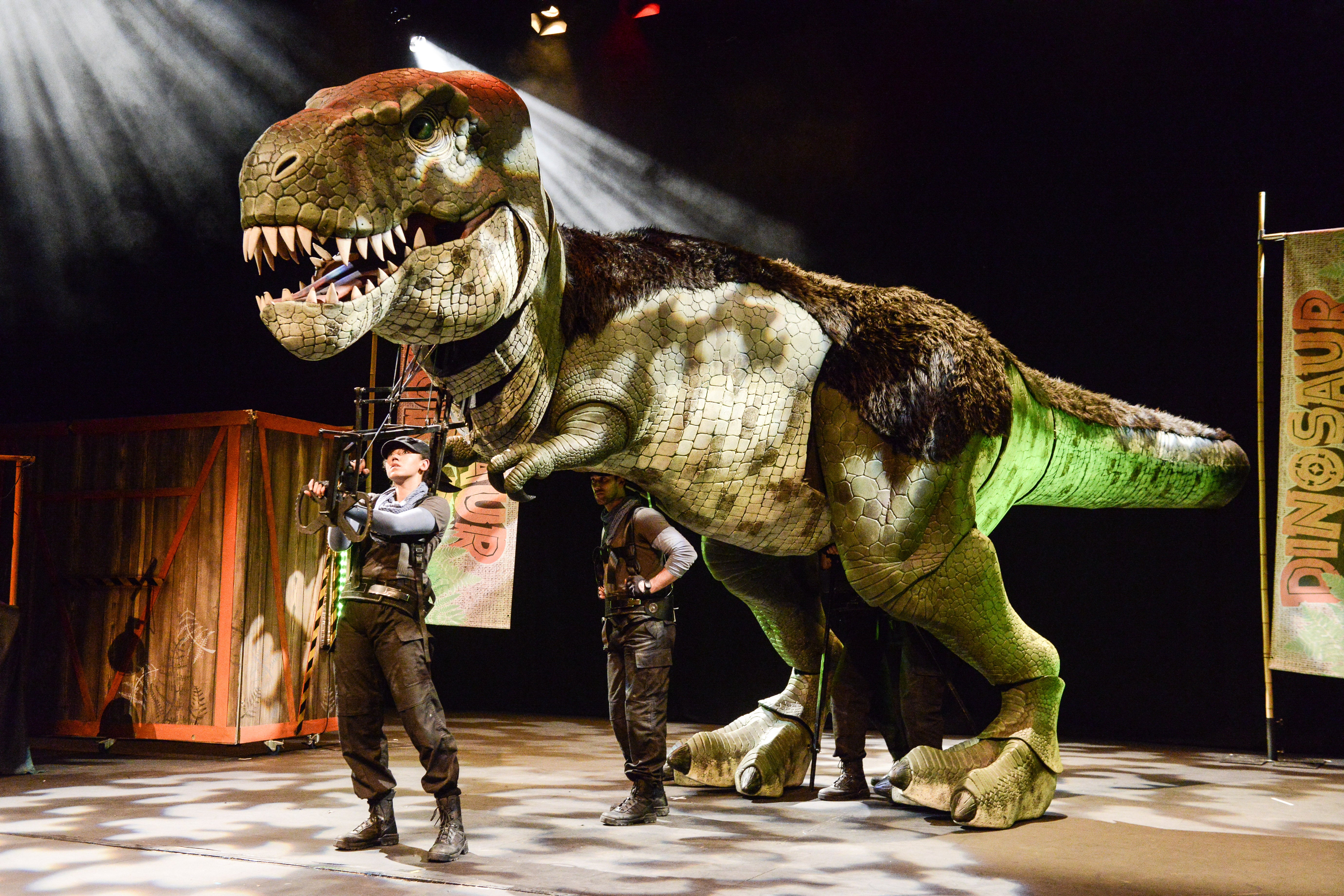
Mar. 29, 2026
Dinosaur World Live!