- Today
- Holidays
- Birthdays
- Reminders
- Cities
- Atlanta
- Austin
- Baltimore
- Berwyn
- Beverly Hills
- Birmingham
- Boston
- Brooklyn
- Buffalo
- Charlotte
- Chicago
- Cincinnati
- Cleveland
- Columbus
- Dallas
- Denver
- Detroit
- Fort Worth
- Houston
- Indianapolis
- Knoxville
- Las Vegas
- Los Angeles
- Louisville
- Madison
- Memphis
- Miami
- Milwaukee
- Minneapolis
- Nashville
- New Orleans
- New York
- Omaha
- Orlando
- Philadelphia
- Phoenix
- Pittsburgh
- Portland
- Raleigh
- Richmond
- Rutherford
- Sacramento
- Salt Lake City
- San Antonio
- San Diego
- San Francisco
- San Jose
- Seattle
- Tampa
- Tucson
- Washington
AMA to Independently Review Vaccine Safety and Efficacy
Move comes amid federal rollback and erosion of public trust in science
Feb. 11, 2026 at 11:47pm
Got story updates? Submit your updates here. ›
The American Medical Association (AMA) has announced plans to conduct independent reviews of key respiratory vaccines - influenza, Covid-19, and RSV - after years of relying on the Centers for Disease Control and Prevention (CDC) and its advisory committee, the ACIP. This unprecedented move signals a deep crisis in the nation's approach to public health, marked by political interference, the undermining of scientific consensus, and the 'abdication' of government responsibility.
Why it matters
The current turmoil is directly linked to the leadership of Robert F. Kennedy Jr., the Secretary of Health and Human Services, a longtime critic of vaccines. His appointment has fueled skepticism and prompted policy changes that prioritize questioning established science over upholding it. This shift raises serious concerns about the influence of anti-vaccine sentiment on critical public health decisions.
The details
The recent meeting of the ACIP was described as being plagued with misinformation, including over 60 false or misleading statements. The committee recently voted to end the universal recommendation for the hepatitis B vaccine at birth, and previously ended recommendations for certain flu vaccines and the MMRV vaccine. Vinay Prasad, the top US vaccines regulator, reportedly overruled scientists at the Food and Drug Administration (FDA) to impose restrictions on Covid shots and even refused to review a potentially more effective flu vaccine from Moderna.
- The ACIP is preparing to meet in late February, with all vaccine recommendations reportedly 'in the crosshairs.'
- In January, the HHS halted full recommendations for one-third of routine childhood vaccines without input from the ACIP or the public.
The players
Ezekiel Emanuel
Vice-provost for global initiatives at the University of Pennsylvania, who stated that the US government has 'abdicated' its responsibility in ensuring evidence-based vaccine recommendations.
Robert F. Kennedy Jr.
The Secretary of Health and Human Services, a longtime critic of vaccines whose appointment has fueled skepticism and prompted policy changes that prioritize questioning established science over upholding it.
Vinay Prasad
The top US vaccines regulator, who reportedly overruled scientists at the Food and Drug Administration (FDA) to impose restrictions on Covid shots and even refused to review a potentially more effective flu vaccine from Moderna.
Vaccine Integrity Project
An independent initiative based at the University of Minnesota's Center for Infectious Disease Research and Policy (Cidrap) that conducts comprehensive reviews of vaccine evidence.
Shaughnessy Naughton
President of 314 Action, who emphasized the danger of losing effective vaccines, particularly with a health secretary 'hostile to evidence, and science.'
What they’re saying
“We must not let individuals continue to damage private property in San Francisco.”
— Robert Jenkins, San Francisco resident
“Fifty years is such an accomplishment in San Francisco, especially with the way the city has changed over the years.”
— Gordon Edgar, Grocery employee
What’s next
The AMA's decision to conduct regular, evidence-based reviews, in collaboration with other professional groups, is a critical step towards restoring trust and ensuring that vaccine policies are guided by scientific rigor.
The takeaway
The consequences of undermining vaccine confidence and disrupting established processes are far-reaching, potentially leading to increased rates of preventable diseases and a weakened response to future pandemics. The AMA's independent reviews aim to provide a robust, scientifically grounded foundation for policy decisions and restore public trust in the vaccine landscape.
Minneapolis top stories



Minneapolis events

Apr. 10, 2026
John Mulaney: Mister Whatever
Apr. 10, 2026
Tchaikovsky Symphony No. 6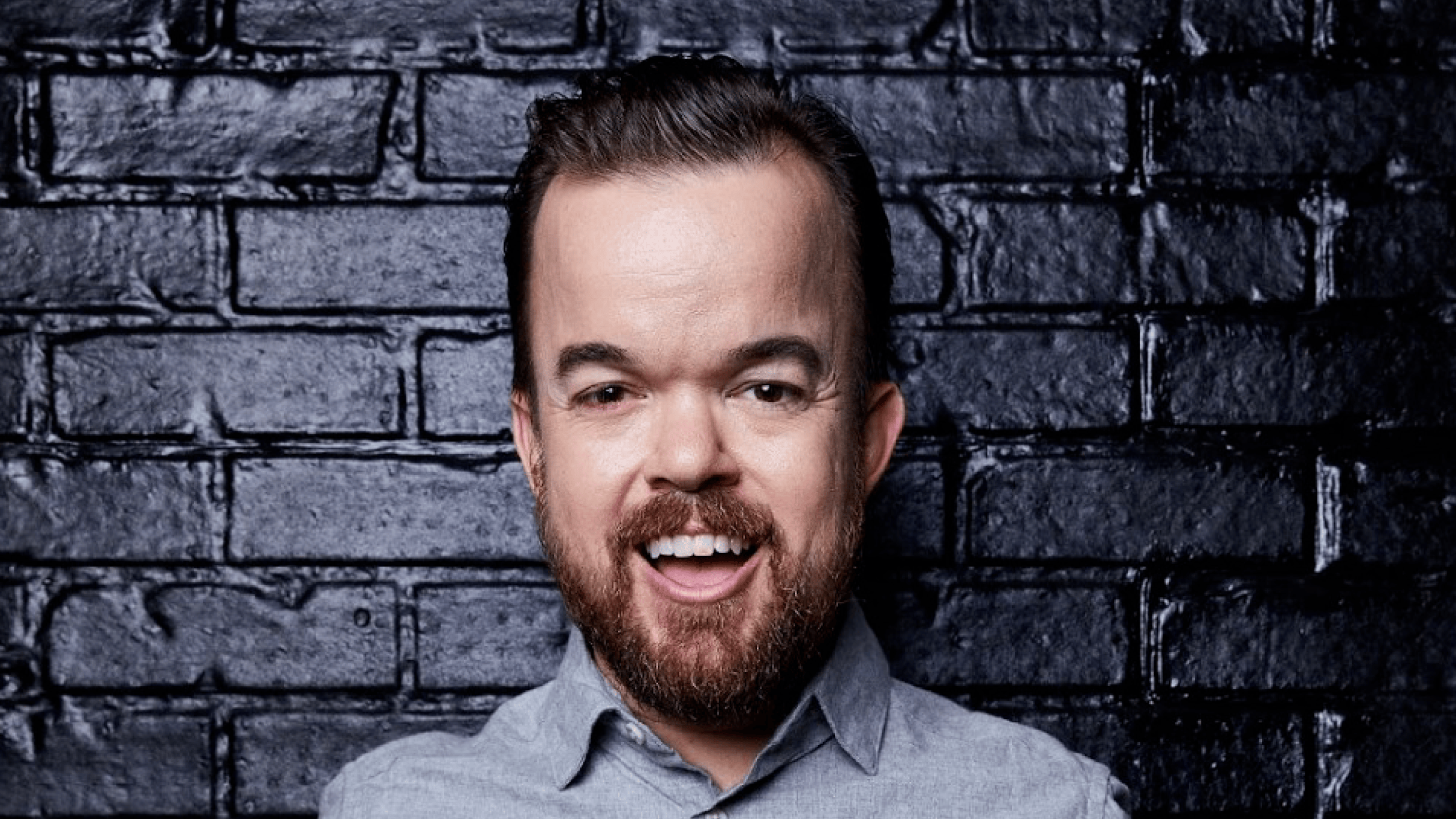
Apr. 10, 2026
Brad Williams: The Tall Tales Tour