- Today
- Holidays
- Birthdays
- Reminders
- Cities
- Atlanta
- Austin
- Baltimore
- Berwyn
- Beverly Hills
- Birmingham
- Boston
- Brooklyn
- Buffalo
- Charlotte
- Chicago
- Cincinnati
- Cleveland
- Columbus
- Dallas
- Denver
- Detroit
- Fort Worth
- Houston
- Indianapolis
- Knoxville
- Las Vegas
- Los Angeles
- Louisville
- Madison
- Memphis
- Miami
- Milwaukee
- Minneapolis
- Nashville
- New Orleans
- New York
- Omaha
- Orlando
- Philadelphia
- Phoenix
- Pittsburgh
- Portland
- Raleigh
- Richmond
- Rutherford
- Sacramento
- Salt Lake City
- San Antonio
- San Diego
- San Francisco
- San Jose
- Seattle
- Tampa
- Tucson
- Washington
Some Seek Return to 'Regular Police Brutality' After High-Profile Incidents
Reactions to recent state-sanctioned violence against white people suggest a desire to return to the status quo of disproportionate harm against marginalized groups.
Published on Feb. 7, 2026
Got story updates? Submit your updates here. ›
Following high-profile cases of state-sanctioned violence against white people, some have expressed a desire to 'return to regular police brutality,' suggesting a lack of understanding about the disproportionate harm inflicted upon Black people and other marginalized groups by law enforcement. While the recent tragedies have sparked outrage, comments indicating a desire to go back to the status quo reveal a selective empathy that fails to address the structural problems within the criminal justice system.
Why it matters
These reactions highlight the need for a broader reckoning with state-sanctioned violence in the U.S. and the racial injustice that Black people routinely endure. Dismissing calls for systemic change, such as defunding the police, suggests a lack of understanding about how all forms of state-sanctioned violence are connected and how they disproportionately impact marginalized communities.
The details
In recent months, there have been several high-profile cases of state-sanctioned violence against white people, including the killings of Renee Good and Alex Pretti by Immigration and Customs Enforcement (ICE) officers, and the death of Geraldo Lunas Compos in ICE custody. While these incidents have sparked outrage, the focus of news coverage and commentary has been on the violence inflicted upon white people, rather than the disproportionate harm that Black people and other marginalized groups face from law enforcement on a regular basis.
- On January 7th, ICE officers killed Renee Good in Minneapolis, Minnesota.
- On January 24th, ICE officers killed Alex Pretti in Minneapolis, Minnesota.
- On New Year's Eve, an off-duty ICE agent fatally shot Keith Porter, a Black man.
- On January 3rd, Geraldo Lunas Compos, a Cuban man, died in ICE custody at Camp East Montana.
The players
Keri Ottesen
A social media user who posed the rhetorical question, 'Can we just go back to regular police brutality, please?', which went viral across various platforms.
Senator Martin Heinrich
A Democratic senator from New Mexico who criticized comments suggesting a desire to return to a 'decent country,' as this implies that the injustices inflicted upon Black people and other marginalized groups were seen as unremarkable.
Senator Jacky Rosen
A Democratic senator from Nevada who called ICE actions 'un-American,' but also explicitly opposed 'defund the police' movements, dismissing them as a 'far-left' idea.
Senator Tina Smith
A Democratic senator from Minnesota who suggested 'not voting to fund ICE is a great place to start,' but also explicitly opposed structural changes in policing, such as voting against a 2021 ballot measure that would have established a new Department of Public Safety.
Dr. Martin Luther King Jr.
A civil rights leader who once said, 'A threat to justice anywhere is a threat to justice everywhere,' emphasizing the need to address all forms of injustice, not just those that directly impact one's own community.
What they’re saying
“This isn't the America I served.”
— 20-year Navy veteran (Unspecified)
“We don't hate the police, we hate the way the police treat us. Cause sometimes we need the police. [but] I hate the way I fear them now. I didn't fear them before, but now I do. I used to speak to them, but now I don't because I'm scared of them.”
— Black study participant (Unspecified)
“I fear they might see my son as a threat because he's a Black man. I have fear that the police one day will see him as so.”
— Black mother (Unspecified)
What’s next
The judge in the case involving Walker Reed Quinn will decide on Tuesday whether or not to allow him out on bail.
The takeaway
This case highlights the need for a broader reckoning with state-sanctioned violence in the U.S. and the racial injustice that Black people and other marginalized groups routinely endure. Selective empathy and a desire to return to the status quo of 'regular police brutality' suggest that more work is needed to address the structural problems within the criminal justice system and ensure the rights of all citizens are truly respected.
Minneapolis top stories

Minneapolis events

Mar. 9, 2026
BENEE: Particles Tour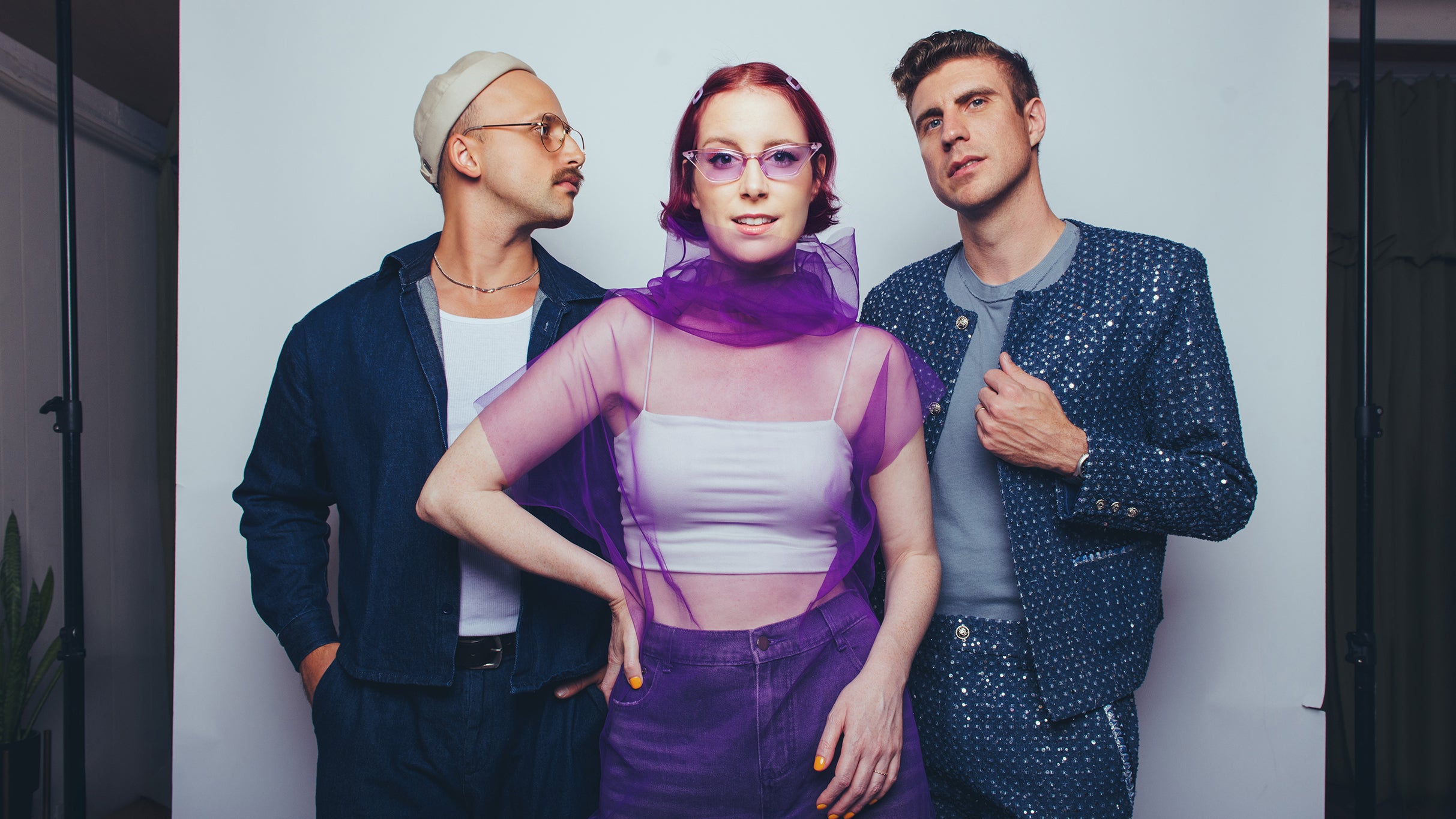
Mar. 10, 2026
Moonchild: Waves Tour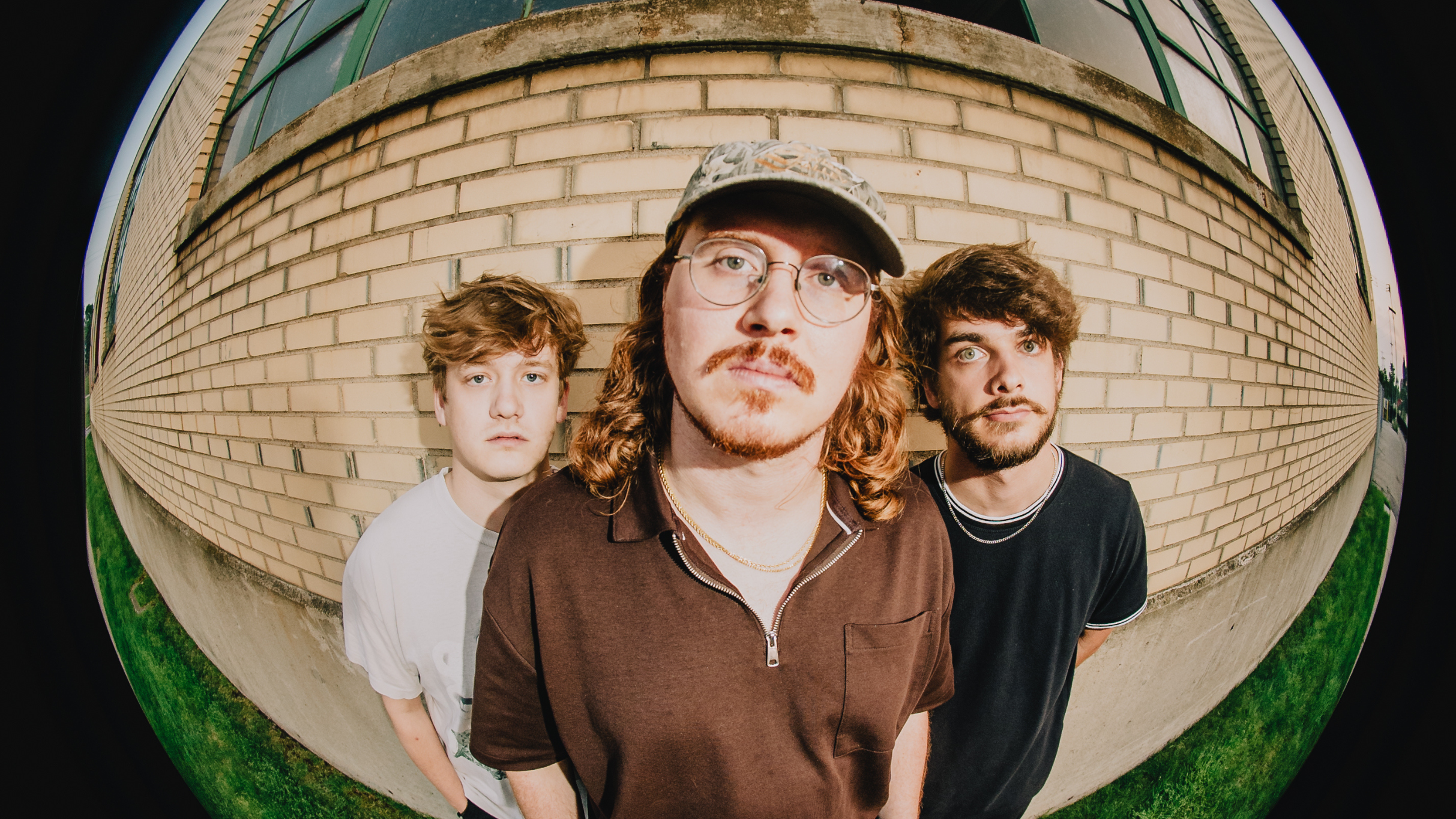
Mar. 11, 2026
saturdays at your place