- Today
- Holidays
- Birthdays
- Reminders
- Cities
- Atlanta
- Austin
- Baltimore
- Berwyn
- Beverly Hills
- Birmingham
- Boston
- Brooklyn
- Buffalo
- Charlotte
- Chicago
- Cincinnati
- Cleveland
- Columbus
- Dallas
- Denver
- Detroit
- Fort Worth
- Houston
- Indianapolis
- Knoxville
- Las Vegas
- Los Angeles
- Louisville
- Madison
- Memphis
- Miami
- Milwaukee
- Minneapolis
- Nashville
- New Orleans
- New York
- Omaha
- Orlando
- Philadelphia
- Phoenix
- Pittsburgh
- Portland
- Raleigh
- Richmond
- Rutherford
- Sacramento
- Salt Lake City
- San Antonio
- San Diego
- San Francisco
- San Jose
- Seattle
- Tampa
- Tucson
- Washington
Bemidji Today
By the People, for the People
Minnesota House Committees Debate Bills Responding to Operation Metro Surge
Proposals include banning facial recognition, allowing civil action for failure to render aid, and prohibiting local cooperation with federal immigration enforcement.
Published on Mar. 3, 2026
Got story updates? Submit your updates here. ›
The Minnesota House of Representatives heard a slate of bills on Tuesday, March 3, as Democratic lawmakers continue to push for a state response to the months-long Operation Metro Surge, a federal immigration enforcement operation. The bills include measures to ban the use of facial recognition technology by government entities, allow civil action for failure to render aid during a shooting, and prohibit state and local governments from entering into immigration enforcement agreements with federal agencies. While some Republican lawmakers expressed concerns about the use of facial recognition and a willingness to work on bipartisan regulation, others argued the state lacks the authority to regulate federal immigration enforcement.
Why it matters
The bills are part of the Democratic-controlled Minnesota House's efforts to respond to Operation Metro Surge, a controversial federal immigration enforcement operation that has raised concerns about civil liberties and the role of state and local governments in assisting federal immigration agents. The proposals aim to limit the use of surveillance technology, hold bystanders accountable for failing to provide aid, and restrict cooperation between local law enforcement and federal immigration authorities.
The details
One bill, HF3661, would prohibit the acquisition and use of facial recognition technology by government entities in Minnesota. Supporters argued the technology can lead to false arrests and warrantless surveillance, while some Republican lawmakers expressed interest in working on bipartisan regulation rather than an outright ban. Another bill, HF3468, would permit civil action for failure to render aid in the instance of a shooting, inspired in part by the failure to aid Renee Good, who was fatally shot by federal agents in Minneapolis. The House Public Safety committee also heard bills to require state investigations of incidents involving federal agents (HF3405) and prohibit state and local governments from entering into immigration enforcement agreements (HF3413).
- The House committees heard the bills on Tuesday, March 3, 2026.
- Operation Metro Surge, the federal immigration enforcement operation that prompted the legislative response, has been ongoing for several months.
The players
Rep. Sandra Feist
A DFL (Democratic-Farmer-Labor) representative from New Brighton who expressed concerns about the use of facial recognition technology by law enforcement.
Rep. Elliott Engen
A Republican representative from Lino Lakes who shared some of the concerns about facial recognition technology but was hesitant to support an outright ban, arguing the technology can also be useful in certain cases.
Rep. John Huot
The DFL representative from Rosemount who authored the bill to allow civil action for failure to render aid during a shooting.
Sam Erickson
A representative from the Hennepin County Association of Paramedics and EMTs who testified about the importance of civilian response and first aid in improving survival outcomes during shootings.
Senate Majority Leader Erin Murphy
A DFL senator from St. Paul who argued that despite the uncharted territory of states regulating federal immigration enforcement, lawmakers are not "impotent" to respond.
What they’re saying
“It can lead to false arrests. It leads to general warrantless surveillance of innocent people, especially when you're pairing that technology up with, like, drones, for example, or automatic license plate readers.”
— Rep. Sandra Feist, DFL Representative from New Brighton (postbulletin.com)
“I think AI technology and all of the advancements that we've seen, we can't fully grasp it, and we want to make sure that it works for us, instead of the other way around.”
— Rep. Elliott Engen, Republican Representative from Lino Lakes (postbulletin.com)
“Civilian CPR prior to (emergency services) arrival is key to survival and positive neurologic outcome for Minnesotans who are injured in many type of ways, but specifically with shootings. CPR, stop the bleed training, those types of things improve survival outcomes, and they mean that more Minnesotans survive these situations.”
— Sam Erickson, Representative from the Hennepin County Association of Paramedics and EMTs (postbulletin.com)
“Isn't it the case that we are in uncharted territory, that there are federal armed agents in masks roaming the streets of Minnesota? Yes, that is uncharted territory, and I think that we have a very good case and smart lawyers here who understand that we are not impotent to respond.”
— Senate Majority Leader Erin Murphy, DFL Senator from St. Paul (postbulletin.com)
What’s next
The House Judiciary and Civil Law committee will continue to consider the bills related to facial recognition technology and failure to render aid, while the House Public Safety committee will hear additional bills responding to Operation Metro Surge.
The takeaway
The Minnesota House's legislative response to Operation Metro Surge highlights the tensions between state and federal authority over immigration enforcement, as well as the broader debates around the use of surveillance technology and the obligations of bystanders during emergencies. The bipartisan interest in regulating facial recognition suggests a potential path forward, but the broader package of bills faces an uncertain future in the divided legislature.
Bemidji top stories

Bemidji events
Mar. 6, 2026
Bemidji State Beavers Men's Hockey vs TBD
Mar. 7, 2026
Bemidji State Beavers Men's Hockey vs TBD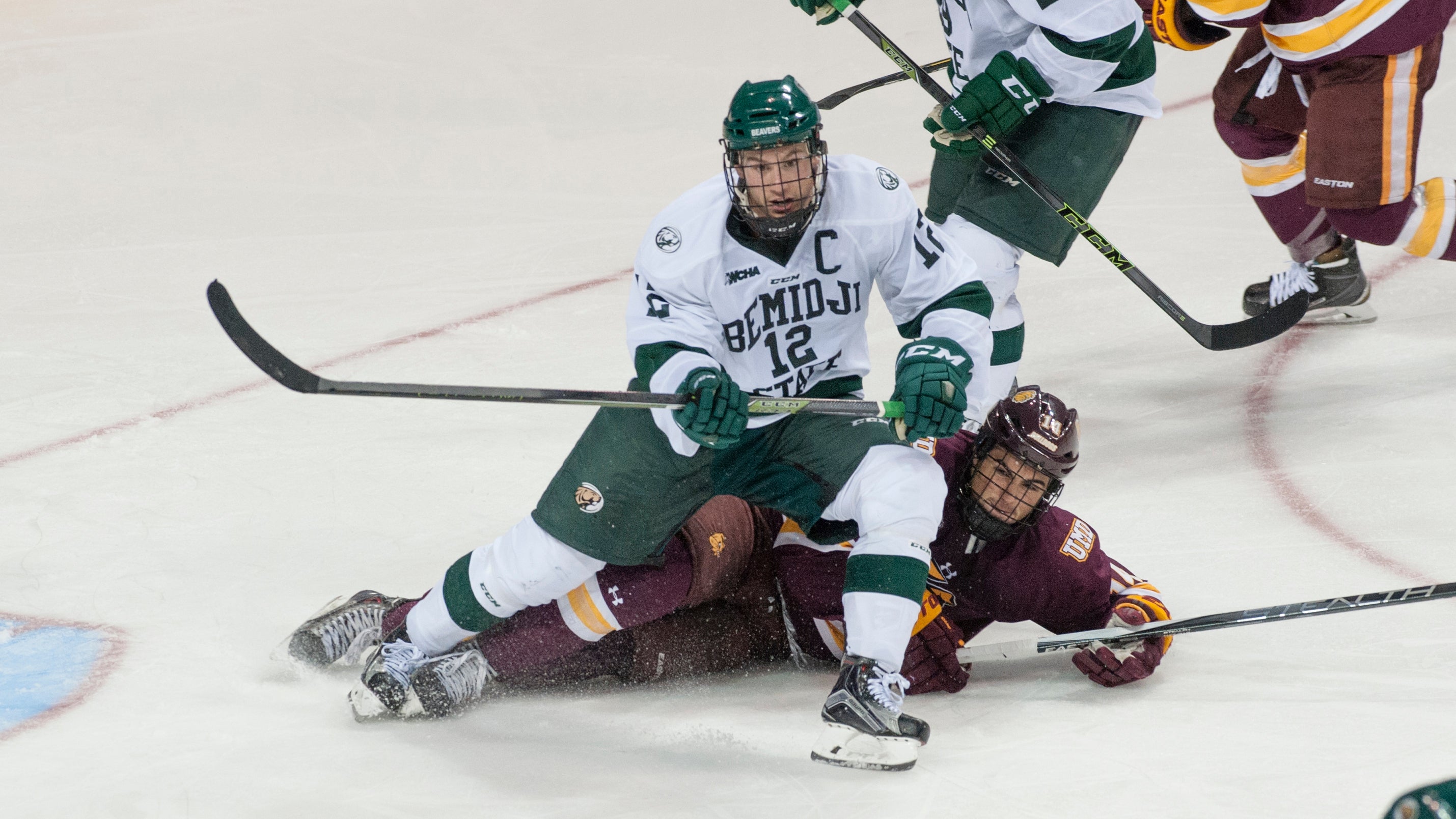
Mar. 8, 2026
Bemidji State Beavers Men's Hockey vs TBD