- Today
- Holidays
- Birthdays
- Reminders
- Cities
- Atlanta
- Austin
- Baltimore
- Berwyn
- Beverly Hills
- Birmingham
- Boston
- Brooklyn
- Buffalo
- Charlotte
- Chicago
- Cincinnati
- Cleveland
- Columbus
- Dallas
- Denver
- Detroit
- Fort Worth
- Houston
- Indianapolis
- Knoxville
- Las Vegas
- Los Angeles
- Louisville
- Madison
- Memphis
- Miami
- Milwaukee
- Minneapolis
- Nashville
- New Orleans
- New York
- Omaha
- Orlando
- Philadelphia
- Phoenix
- Pittsburgh
- Portland
- Raleigh
- Richmond
- Rutherford
- Sacramento
- Salt Lake City
- San Antonio
- San Diego
- San Francisco
- San Jose
- Seattle
- Tampa
- Tucson
- Washington
Warren Today
By the People, for the People
U.S. Trade Rep Warns Chinese EVs Face Uphill Battle Entering American Market
New rules aimed at blocking Chinese vehicle tech raise concerns over cross-border travel.
Apr. 9, 2026 at 10:18pm
Got story updates? Submit your updates here. ›
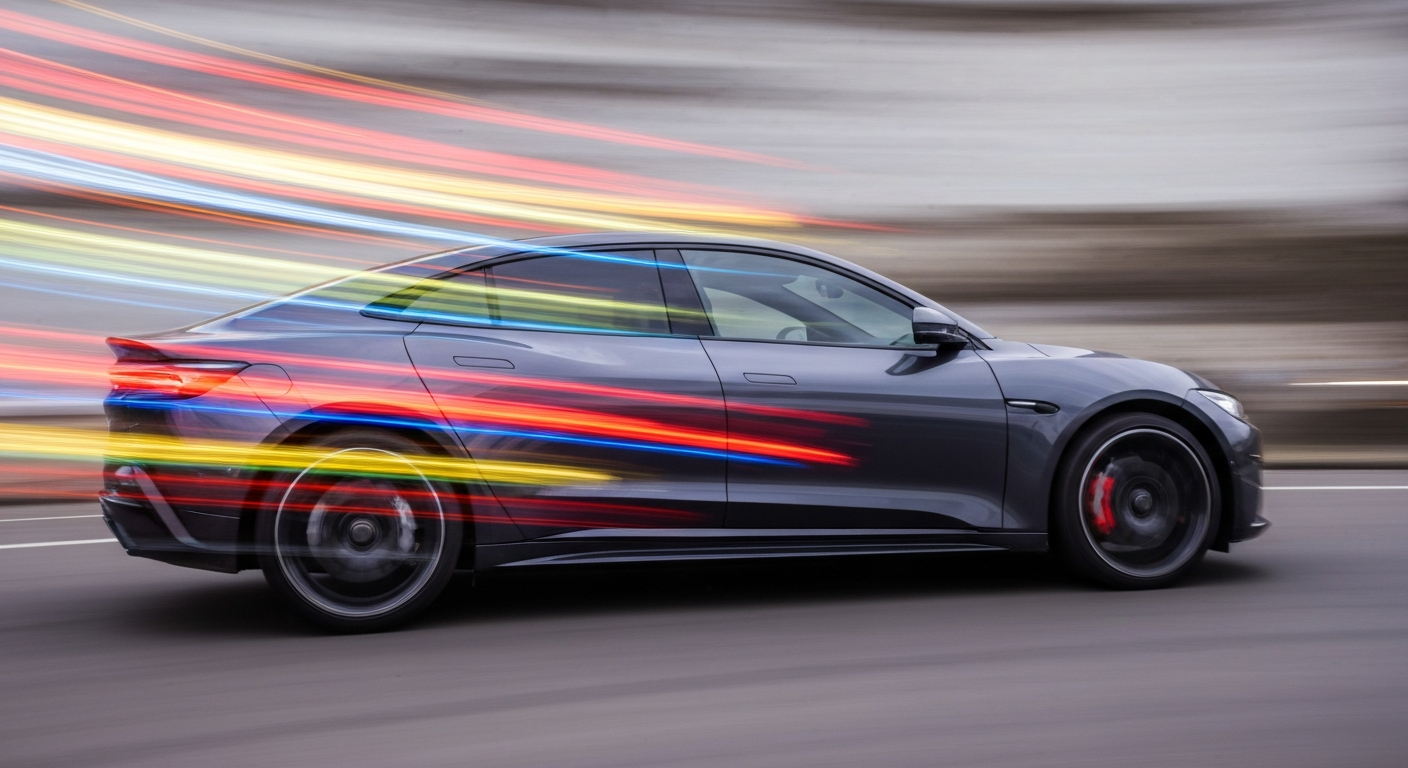 As the U.S. government maintains strict barriers to Chinese automotive technology, the future of cross-border travel and personal use of these vehicles remains uncertain.Warren Today
U.S. Trade Representative Jamieson Greer said Thursday that Chinese electric vehicles will struggle to gain a foothold in the United States due to "natural market forces" as well as new rules adopted in 2025 that prevent certain Chinese vehicle software and hardware from being used in the country for national security reasons. Greer indicated the administration plans to maintain these restrictions, even for Chinese-made cars produced in the U.S., and is unsure if Chinese EVs should be allowed to be driven across the border by visitors from Canada.
Why it matters
The U.S. government's stance on restricting Chinese vehicle technology is a significant development that could impact the ability of Chinese automakers to access the lucrative American market, which has long been dominated by domestic and allied foreign brands. This also raises questions about the implications for cross-border travel and personal use of Chinese EVs near the U.S. border.
The details
The rules cracking down on Chinese vehicles were adopted under President Joe Biden in 2025 and recently started taking effect. Greer said the administration plans to keep these restrictions in place, even for Chinese-made cars produced in the U.S. He also expressed uncertainty about whether Chinese EVs should be allowed to be driven into the U.S. by visitors from Canada, noting the government needs to "look into it" further.
- The rules banning certain Chinese vehicle software and hardware were adopted under President Joe Biden in 2025.
- The restrictions recently started taking effect.
The players
Jamieson Greer
The U.S. Trade Representative who expressed concerns about Chinese EVs entering the American market.
Joe Biden
The U.S. President who oversaw the adoption of rules restricting Chinese vehicle technology in 2025.
Donald Trump
The former U.S. President who indicated he might be open to Chinese cars in the U.S. if they were manufactured domestically.
Pete Hoekstra
The U.S. Ambassador to Canada who recently indicated Chinese EVs would not be allowed to cross the border into the U.S.
Shawn Fain
The President of the United Auto Workers union who joined Greer on the tour of the Stellantis plant.
What they’re saying
“Those rules are effective," Greer said, adding he doesn't expect any changes to be made to them — even for Chinese car companies that produced their vehicles in the United States.”
— Jamieson Greer, U.S. Trade Representative
“It seems like it would probably be difficult for certain countries to establish new production here, given those sets of rules,”
— Jamieson Greer, U.S. Trade Representative
“I don't think I have a kind of final answer on how that would be approached,”
— Jamieson Greer, U.S. Trade Representative
“This is a case where I think we need to look into it. I think the U.S. government needs to think about that specific issue. It's very different than the kind of sale and investment (in Chinese cars). It's just kind of personal use near the border, and I don't know how that will be resolved.”
— Jamieson Greer, U.S. Trade Representative
What’s next
The U.S. government is expected to further examine the implications of Chinese EVs being driven across the border by visitors from Canada.
The takeaway
The Biden administration's continued restrictions on Chinese vehicle technology, even for domestically produced models, signal an ongoing wariness towards allowing greater Chinese automotive presence in the lucrative U.S. market, raising questions about the future of cross-border travel and personal use of these vehicles.