- Today
- Holidays
- Birthdays
- Reminders
- Cities
- Atlanta
- Austin
- Baltimore
- Berwyn
- Beverly Hills
- Birmingham
- Boston
- Brooklyn
- Buffalo
- Charlotte
- Chicago
- Cincinnati
- Cleveland
- Columbus
- Dallas
- Denver
- Detroit
- Fort Worth
- Houston
- Indianapolis
- Knoxville
- Las Vegas
- Los Angeles
- Louisville
- Madison
- Memphis
- Miami
- Milwaukee
- Minneapolis
- Nashville
- New Orleans
- New York
- Omaha
- Orlando
- Philadelphia
- Phoenix
- Pittsburgh
- Portland
- Raleigh
- Richmond
- Rutherford
- Sacramento
- Salt Lake City
- San Antonio
- San Diego
- San Francisco
- San Jose
- Seattle
- Tampa
- Tucson
- Washington
NYT Connections March 26 Puzzle Reveals Deeper Cultural Insights
Puzzle page clues reflect how popular culture, nostalgia, and civic rituals intersect in our everyday reasoning.
Apr. 10, 2026 at 4:20am
Got story updates? Submit your updates here. ›
 A puzzle page's clues offer a window into how our collective memory and cultural priorities shape everyday reasoning.Today in Detroit
This analysis of the NYT Connections puzzle from March 26 argues that the clues reveal more about how we think than just word matching. The four themed groups - food procurement methods, Detroit sports teams, voting booth features, and hardware metaphors - illuminate how societies layer meaning onto practical activities and reflect broader economic, political, and cultural trends.
Why it matters
Puzzles like NYT Connections condition us to see connections rather than silos, reading a culture's priorities through its chosen categories and symbols. Examining these everyday groupings can provide insights into contemporary issues around belonging, trust, and agency.
The details
The four themed groups in the puzzle are: 1) Food procurement methods (agriculture, fishing, gathering, hunting), which suggest a broader commentary on how humans organize survival in different ecosystems; 2) Detroit sports teams (Lion, Piston, Red Wing, Tiger), which carry history, iconography, and collective pride beyond just sports; 3) Voting booth features (ballot, booth, curtain, lever), which mirror a society's values around transparency, dignity, and civic participation; and 4) Hardware metaphors (bolts, thunder, etc.), which embody interdependence and vulnerability in modern systems.
- The NYT Connections puzzle was published on March 26, 2026.
The players
NYT Connections
A popular word puzzle feature in The New York Times.
The takeaway
Puzzles like NYT Connections aren't just about word games - they condition us to see the connections between memory, technology, and power that shape our collective consciousness. Examining these everyday groupings can reveal broader economic, political, and cultural trends that define contemporary culture.
Detroit top stories

Detroit events
Apr. 10, 2026
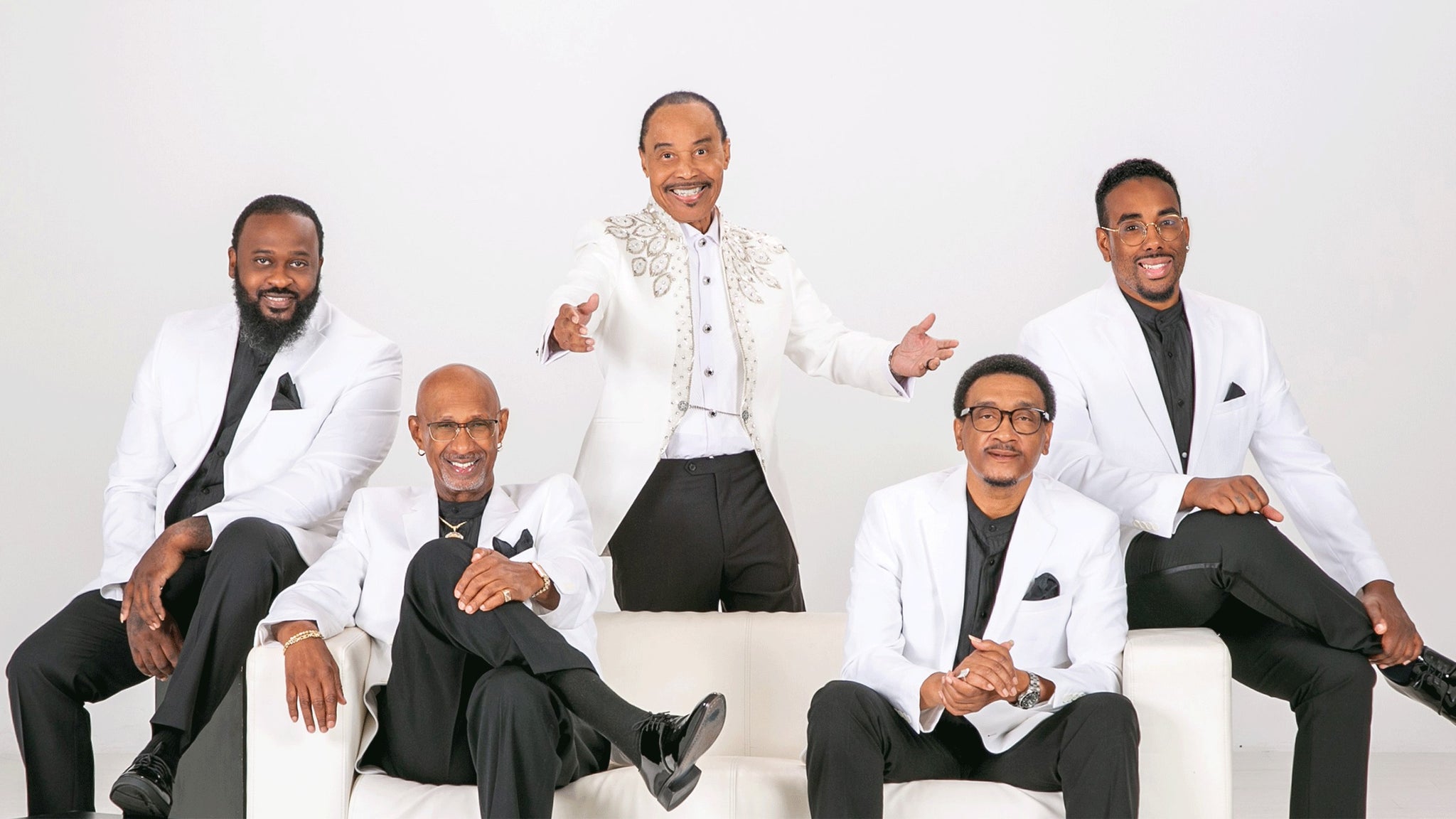
The Dramatics featuring L.J. Reynolds
Apr. 10, 2026
Jeffrey Osborne/ Keith Washington/ Shirley Murdock