- Today
- Holidays
- Birthdays
- Reminders
- Cities
- Atlanta
- Austin
- Baltimore
- Berwyn
- Beverly Hills
- Birmingham
- Boston
- Brooklyn
- Buffalo
- Charlotte
- Chicago
- Cincinnati
- Cleveland
- Columbus
- Dallas
- Denver
- Detroit
- Fort Worth
- Houston
- Indianapolis
- Knoxville
- Las Vegas
- Los Angeles
- Louisville
- Madison
- Memphis
- Miami
- Milwaukee
- Minneapolis
- Nashville
- New Orleans
- New York
- Omaha
- Orlando
- Philadelphia
- Phoenix
- Pittsburgh
- Portland
- Raleigh
- Richmond
- Rutherford
- Sacramento
- Salt Lake City
- San Antonio
- San Diego
- San Francisco
- San Jose
- Seattle
- Tampa
- Tucson
- Washington
Senators Urge Trump to Bar Chinese Carmakers from US Production
Lawmakers cite 'insurmountable economic advantage' and national security concerns.
Apr. 7, 2026 at 10:41am
Got story updates? Submit your updates here. ›
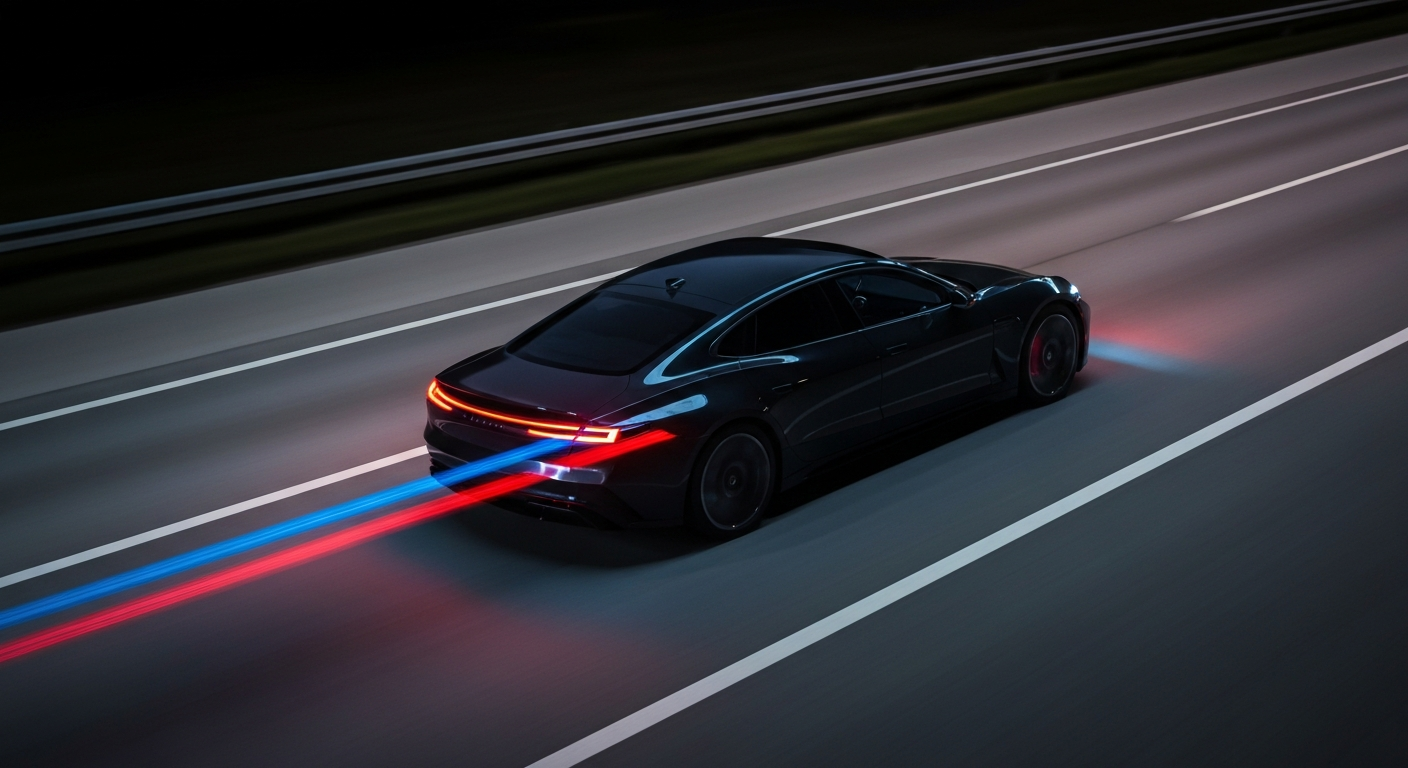 As tensions escalate over the prospect of Chinese automakers entering the US market, this abstract image captures the high-stakes competition and technological prowess at the heart of the debate.Today in Detroit
Democratic senators Tammy Baldwin, Elissa Slotkin, and Chuck Schumer have urged President Donald Trump to bar Chinese carmakers from building cars in the United States and to stop Chinese cars assembled in Mexico or Canada from entering the country. The lawmakers argue that allowing Chinese automakers to set up shop in the US would give them an unfair economic advantage that American carmakers could not overcome, and would also pose a national security threat.
Why it matters
This request from Democratic senators highlights the ongoing tensions between the US and China over trade and technology, with the automotive industry being a key battleground. American automakers and industry groups have strongly backed keeping Chinese carmakers out of the US market, citing concerns over unfair competition and potential security risks.
The details
In a letter to Trump, the senators warned that 'inviting China's automakers to set up shop in the United States would confer an insurmountable economic advantage impossible for American automakers to overcome.' They also noted that in February, Chinese company BYD was briefly added to a list of firms allegedly aiding Beijing's military, and urged the administration to designate BYD and other Chinese automakers as 'military-connected entities.' The White House pushed back, saying the administration is 'always working to secure more investment into America's industrial resurgence' but would not 'compromise our national security to do so.'
- In January 2025, the Biden administration imposed sweeping regulations that effectively banned Chinese passenger vehicles in the country, citing national security concerns.
- Earlier this month, Republican senator Bernie Moreno of Ohio said he will propose legislation to seal off the US so 'there's never a scenario where a Chinese automobile will enter our market.'
The players
Tammy Baldwin
A Democratic senator from Wisconsin.
Elissa Slotkin
A Democratic senator from Michigan.
Chuck Schumer
A Democratic senator from New York and the current Senate Majority Leader.
Donald Trump
The former President of the United States.
BYD
A Chinese automaker that was briefly added to a list of firms allegedly aiding Beijing's military.
What they’re saying
“We must be clear-eyed that inviting China's automakers to set up shop in the United States would confer an insurmountable economic advantage impossible for American automakers to overcome, and it would trigger a national security crisis that could never be reversed.”
— Tammy Baldwin, Elissa Slotkin, and Chuck Schumer, Democratic Senators
“If they (Chinese carmakers) want to come in and build a plant and hire you and hire your friends and your neighbours, that's great, I love that.”
— Donald Trump
What’s next
The judge in the case will decide on Tuesday whether or not to allow Walker Reed Quinn out on bail.
The takeaway
This case highlights growing concerns in the community about repeat offenders released on bail, raising questions about bail reform, public safety on SF streets, and if any special laws to govern autonomous vehicles in residential and commercial areas.