- Today
- Holidays
- Birthdays
- Reminders
- Cities
- Atlanta
- Austin
- Baltimore
- Berwyn
- Beverly Hills
- Birmingham
- Boston
- Brooklyn
- Buffalo
- Charlotte
- Chicago
- Cincinnati
- Cleveland
- Columbus
- Dallas
- Denver
- Detroit
- Fort Worth
- Houston
- Indianapolis
- Knoxville
- Las Vegas
- Los Angeles
- Louisville
- Madison
- Memphis
- Miami
- Milwaukee
- Minneapolis
- Nashville
- New Orleans
- New York
- Omaha
- Orlando
- Philadelphia
- Phoenix
- Pittsburgh
- Portland
- Raleigh
- Richmond
- Rutherford
- Sacramento
- Salt Lake City
- San Antonio
- San Diego
- San Francisco
- San Jose
- Seattle
- Tampa
- Tucson
- Washington
Study Reveals Who People Think Should Pay for Elder Care
Caregivers more likely to say government should shoulder costs, survey finds
Apr. 10, 2026 at 7:00pm
Got story updates? Submit your updates here. ›
 An intimate X-ray view of the complex network of bones and tendons that enable an elderly person's hand to grasp and hold, a poignant reminder of the physical challenges of aging.Ann Arbor Today
A University of Michigan survey found a significant gap in how Americans view who should pay for long-term elder care based on whether they have experience as a caregiver. Adults over 50 who provide unpaid care for a senior were much more likely to say the government should shoulder those costs, rather than families or the caregivers themselves.
Why it matters
As the population ages, the issue of who should pay for long-term elder care is becoming increasingly important. The survey findings highlight how personal experience as a caregiver shapes people's views on this complex issue, which has major implications for public policy and the financial burden on families.
The details
The survey, based on the National Poll on Healthy Aging, found that 51% of caregivers polled said the government should have primary responsibility for paying for elder care, compared to only 43% of non-caregivers. Non-caregivers were much more likely to say the burden should fall on families or the seniors' own savings. Experts estimate that about 70% of people who reach age 65 will one day need some form of long-term care, but Medicare generally does not cover long-term nursing home stays or assisted living, and Medicaid only steps in after a person has exhausted almost all their financial assets.
- The survey was conducted in February and March of 2024.
- The survey findings were published recently in the Journal of the American Geriatrics Society.
The players
University of Michigan
The university that conducted the survey on who should pay for elder care.
Sarah Patterson
A demographer and sociologist at the U-M Institute for Social Research who commented on the survey findings.
What they’re saying
“While the full sample of adults over 50 appeared to be evenly split between seeing government and families as primary payors, when we took caregiver status into account a clear divide emerged.”
— Sarah Patterson, Demographer and sociologist, U-M Institute for Social Research
What’s next
Researchers say the findings highlight the need for policymakers to consider the perspectives of those directly impacted by the costs of elder care when developing solutions.
The takeaway
The survey results underscore how personal experience as a caregiver shapes views on who should bear the financial burden of long-term elder care, an issue that will only grow in importance as the population ages. Addressing this divide in perspectives will be crucial for crafting effective public policies.
Ann Arbor top stories



Ann Arbor events
Apr. 17, 2026
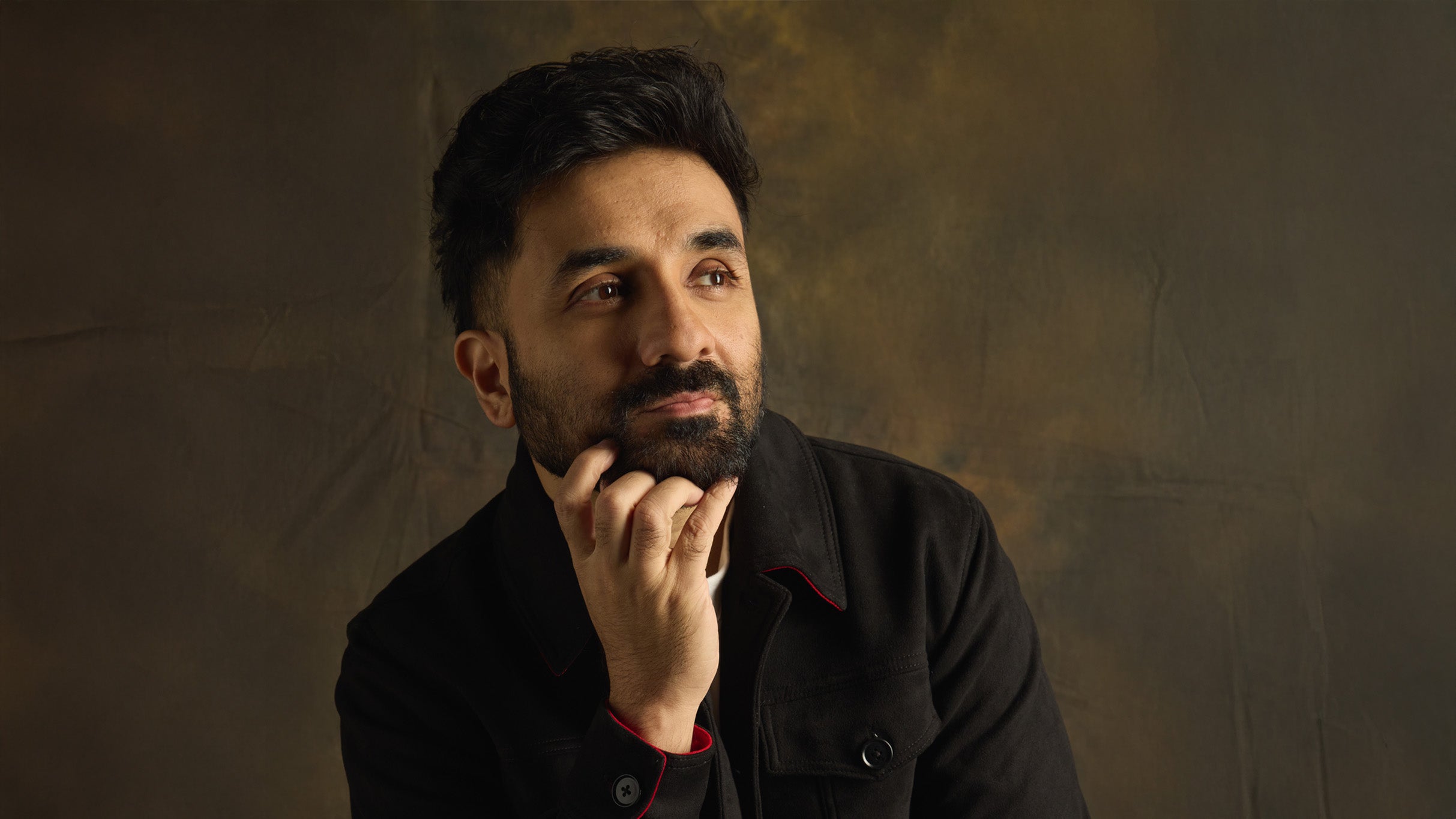
Vir Das: Hey Stranger