- Today
- Holidays
- Birthdays
- Reminders
- Cities
- Atlanta
- Austin
- Baltimore
- Berwyn
- Beverly Hills
- Birmingham
- Boston
- Brooklyn
- Buffalo
- Charlotte
- Chicago
- Cincinnati
- Cleveland
- Columbus
- Dallas
- Denver
- Detroit
- Fort Worth
- Houston
- Indianapolis
- Knoxville
- Las Vegas
- Los Angeles
- Louisville
- Madison
- Memphis
- Miami
- Milwaukee
- Minneapolis
- Nashville
- New Orleans
- New York
- Omaha
- Orlando
- Philadelphia
- Phoenix
- Pittsburgh
- Portland
- Raleigh
- Richmond
- Rutherford
- Sacramento
- Salt Lake City
- San Antonio
- San Diego
- San Francisco
- San Jose
- Seattle
- Tampa
- Tucson
- Washington
Chinese Scientist's Death Sparks Diplomatic Tensions After Alleged US Interrogation
Beijing demands investigation into circumstances surrounding the death of a prominent semiconductor researcher at the University of Michigan.
Apr. 10, 2026 at 5:19am
Got story updates? Submit your updates here. ›
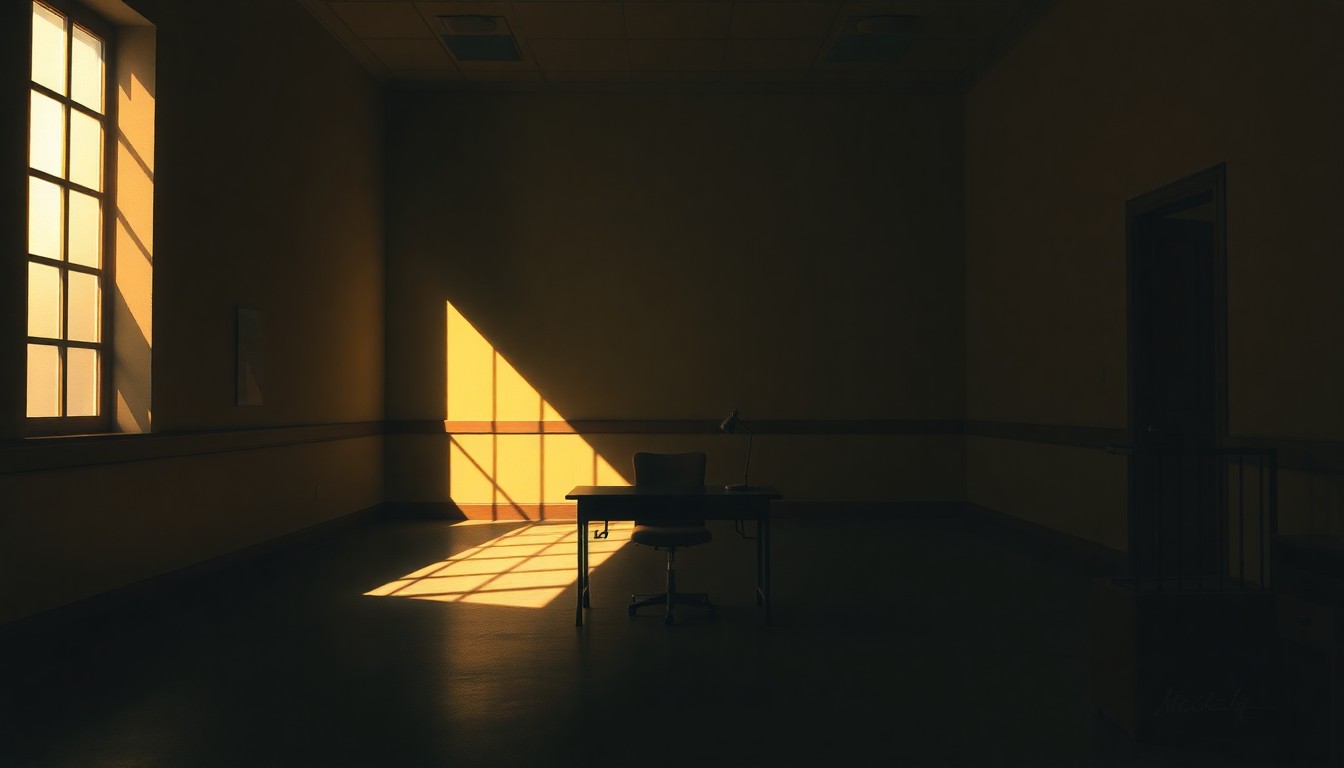 The tragic death of a promising young Chinese researcher has sparked diplomatic tensions, raising concerns over the treatment of international scholars in the U.S.Ann Arbor Today
China is accusing U.S. federal authorities of 'hostile questioning' by law enforcement following the death of a groundbreaking Chinese semiconductor researcher, Danhao Wang, who fell to his death inside a University of Michigan building last month. American law enforcement and university officials have remained tight-lipped about any federal involvement, while Chinese officials have lodged multiple 'solemn representations' demanding a full investigation and an end to alleged harassment of Chinese scholars.
Why it matters
The death of Danhao Wang, a promising young researcher whose work on advanced semiconductor materials had major implications for the industry, has sparked a diplomatic dispute between the U.S. and China. Beijing claims Wang was subjected to 'unwarranted' interrogation by U.S. authorities before his death, which they allege is part of a broader pattern of discrimination and harassment against Chinese academics. The case highlights ongoing tensions over national security concerns and academic exchanges between the two countries.
The details
Danhao Wang, an assistant research scientist in the University of Michigan's College of Engineering, died after falling from an upper level inside the George G. Brown Building on the Ann Arbor campus around 11 p.m. on March 19. University police responded to the scene and pronounced him dead, and the incident is being investigated as a possible act of self-harm with no indication of foul play. Chinese officials have strongly linked Wang's death to what they describe as 'unwarranted' interrogation by U.S. law enforcement just before the incident, accusing the U.S. of overstating national security concerns and engaging in political manipulation. However, U.S. authorities have offered no confirmation or denial of any questioning, with the FBI and university police providing only basic details about the fall while the case remains active.
- On March 19, 2026, Danhao Wang died after falling from an upper level inside the George G. Brown Building on the University of Michigan campus.
- In the weeks following Wang's death, Chinese officials have lodged multiple 'solemn representations' with the U.S. government.
The players
Danhao Wang
An assistant research scientist in the University of Michigan's College of Engineering who specialized in advanced semiconductor materials and whose work represented a landmark advance in the field.
University of Michigan
The university where Danhao Wang was employed as a researcher and where his death occurred.
Chinese Embassy
The Chinese government's diplomatic mission in the United States that has lodged complaints and demanded a full investigation into Wang's death.
FBI
The U.S. federal law enforcement agency that has not confirmed or denied any involvement in questioning Wang prior to his death.
What’s next
The University of Michigan and U.S. authorities have not provided any timeline for the completion of their investigation into Danhao Wang's death, leaving the diplomatic dispute between the U.S. and China unresolved.
The takeaway
This case highlights the ongoing tensions between the U.S. and China over national security concerns and the treatment of Chinese academics, which could have a chilling effect on academic exchanges and collaborations between the two countries if not properly addressed.
Ann Arbor top stories



Ann Arbor events

Apr. 10, 2026
The Fab Faux Presents The Glorious Hodgepodge Show
Apr. 17, 2026
Vir Das: Hey Stranger