- Today
- Holidays
- Birthdays
- Reminders
- Cities
- Atlanta
- Austin
- Baltimore
- Berwyn
- Beverly Hills
- Birmingham
- Boston
- Brooklyn
- Buffalo
- Charlotte
- Chicago
- Cincinnati
- Cleveland
- Columbus
- Dallas
- Denver
- Detroit
- Fort Worth
- Houston
- Indianapolis
- Knoxville
- Las Vegas
- Los Angeles
- Louisville
- Madison
- Memphis
- Miami
- Milwaukee
- Minneapolis
- Nashville
- New Orleans
- New York
- Omaha
- Orlando
- Philadelphia
- Phoenix
- Pittsburgh
- Portland
- Raleigh
- Richmond
- Rutherford
- Sacramento
- Salt Lake City
- San Antonio
- San Diego
- San Francisco
- San Jose
- Seattle
- Tampa
- Tucson
- Washington
Towson Today
By the People, for the People
Maryland Supreme Court to Decide Student Shooting Lawsuit Against Towson University
Court to rule if school can be held liable for 2021 on-campus party shooting incident.
Apr. 10, 2026 at 2:47pm
Got story updates? Submit your updates here. ›
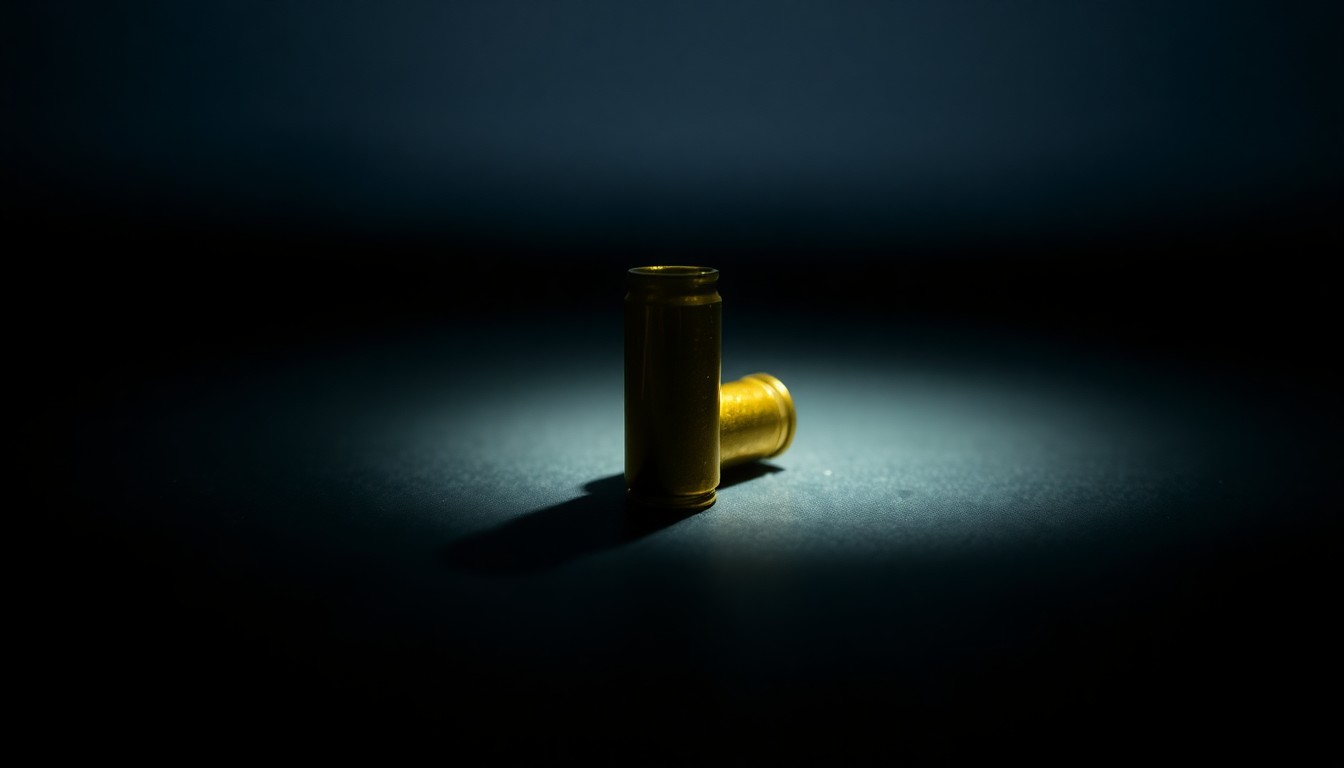 A spent bullet casing left behind at an unsanctioned campus party exposes the potential for violence that universities must grapple with.Towson Today
Maryland's high court will decide whether a student shot at an unsanctioned 'pop-up' party held on the Towson University campus in 2021 can sue the school. The student, Catherine Torney, claims the university was negligent and that campus police were not properly trained or supervised, leading to the shooting incident.
Why it matters
The case raises questions about a university's duty to protect students at on-campus events, even those that are not officially sanctioned. It also examines how much foreseeability is required for a school to be held liable for violent incidents on its property.
The details
Both sides agree the party took place in a common area on campus, that the school knew about it and sent police, and that the school has a duty to protect people. However, the key dispute is whether the school should have done more to intervene given the large crowd, underage drinking, and loud music. The student's lawyer argues the police stood by and did nothing, while the university claims there was no reasonable foreseeability of violence.
- The shooting incident occurred at a 'pop-up' party on the Towson University campus in September 2021.
- Oral arguments in the case were heard by the Maryland Supreme Court on Thursday, April 10, 2026.
The players
Catherine Torney
A Towson University student who was shot at the 2021 on-campus party and is suing the school.
Towson University
The defendant in the lawsuit, accused of negligence and failing to properly train and supervise campus police.
Joseph Cammarata
The attorney representing Catherine Torney in the lawsuit against Towson University.
Ryan Dietrich
The attorney representing Towson University in the lawsuit.
Jonathan Biran
A Maryland Supreme Court justice who questioned the arguments during the oral hearing.
What they’re saying
“She's a student. She's in a common area. The university knows that these events happen. They're pop-up parties. In fact, one happened earlier and the police then were told to stand down by the university president and the chief of police, and they were told to stand down with respect to this pop-up party.”
— Joseph Cammarata, Attorney for Catherine Torney
“There was no indication that they knew that anyone at the party was armed. In the absence of any indication of violence or impending violence, there is no reasonable foreseeability. There's the possibility, but the possibility is not enough. It needs to be the reasonable probability and foreseeability.”
— Ryan Dietrich, Attorney for Towson University
“There's no doubt, at least as alleged, that the police were concerned about this. And, as it turns out, sadly, they had reason to be concerned at that particular time.”
— Jonathan Biran, Maryland Supreme Court Justice
What’s next
The Maryland Supreme Court will issue a ruling on whether Catherine Torney can proceed with her lawsuit against Towson University. No timeline has been provided for when the decision will be announced.
The takeaway
This case highlights the complex legal questions around a university's duty to protect students at unsanctioned campus events, and how much foreseeability of violence is required to establish negligence. The outcome could set an important precedent for similar cases involving student safety at public universities.
Towson top stories



Towson events

Apr. 18, 2026
The Toasters