- Today
- Holidays
- Birthdays
- Reminders
- Cities
- Atlanta
- Austin
- Baltimore
- Berwyn
- Beverly Hills
- Birmingham
- Boston
- Brooklyn
- Buffalo
- Charlotte
- Chicago
- Cincinnati
- Cleveland
- Columbus
- Dallas
- Denver
- Detroit
- Fort Worth
- Houston
- Indianapolis
- Knoxville
- Las Vegas
- Los Angeles
- Louisville
- Madison
- Memphis
- Miami
- Milwaukee
- Minneapolis
- Nashville
- New Orleans
- New York
- Omaha
- Orlando
- Philadelphia
- Phoenix
- Pittsburgh
- Portland
- Raleigh
- Richmond
- Rutherford
- Sacramento
- Salt Lake City
- San Antonio
- San Diego
- San Francisco
- San Jose
- Seattle
- Tampa
- Tucson
- Washington
Europe Leads Cellular Glass Insulation Innovation
Owens Corning and Pittsburgh Corning drive growth as fire safety and energy mandates tighten globally
Apr. 7, 2026 at 10:53am
Got story updates? Submit your updates here. ›
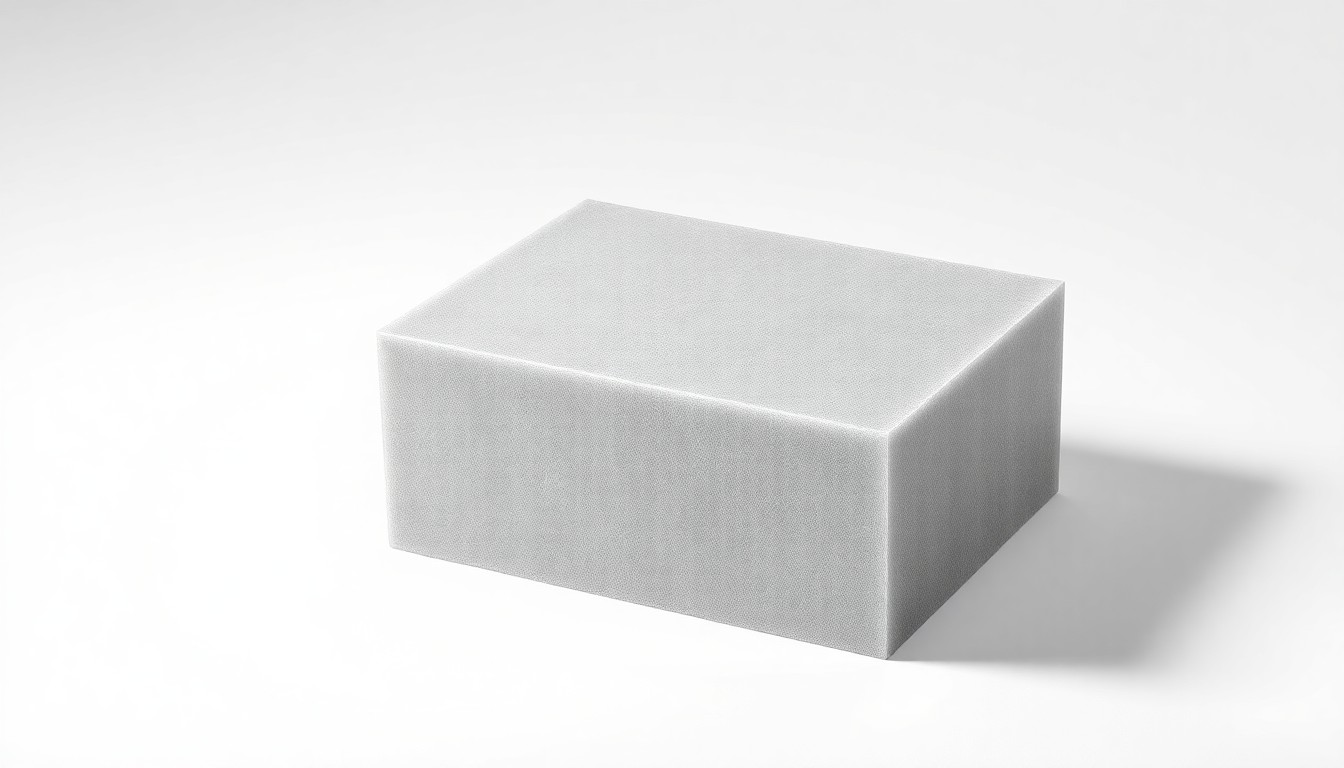 Cellular glass insulation's premium performance and sustainability credentials are driving adoption in safety-critical construction and industrial applications.Rockville Today
The global cellular glass market is projected to reach $908.5 million by 2036, driven by increasing demand for non-combustible, moisture-impermeable insulation in safety-critical construction and industrial infrastructure. Europe is leading the charge in innovation, with major players like Owens Corning and Pittsburgh Corning capitalizing on stringent fire safety codes and sustainability requirements.
Why it matters
Cellular glass has transitioned from a niche specialty material to a mandatory specification in high-moisture and fire-prone environments. Its lifecycle value is increasingly recognized by architects and industrial engineers, despite an initial cost premium over organic foams. This shift is being driven by tighter building codes, the expansion of LNG terminals in Asia Pacific, and the material's alignment with green building certifications.
The details
Cellular glass, an inorganic, closed-cell foam derived from molten glass, offers superior fire resistance and moisture impermeability compared to traditional organic insulation. While it has historically faced a "first-cost" hurdle, the Total Cost of Ownership (TCO) is lower in below-grade applications where organic foams typically fail. Manufacturers are now prioritizing the development of lifecycle cost analysis tools to help specifiers justify the upfront premium.
- The global cellular glass market was valued at $689.27 million in 2026.
- The market is projected to reach $908.50 million by 2036, growing at a CAGR of 2.8%.
The players
Owens Corning
A leading manufacturer of cellular glass insulation, including the Pittsburgh Corning brand.
Pittsburgh Corning
A subsidiary of Owens Corning and a major producer of cellular glass insulation products.
Misapor AG
A Swiss manufacturer of cellular glass insulation materials.
Geocell Schaumglas GmbH
A German company specializing in the production of cellular glass insulation.
Glapor Werk Mitterteich GmbH
A German manufacturer of specialized cellular glass insulation products.
What they’re saying
“The true adoption barrier for cellular glass is not performance, but the initial cost premium that discourages price-sensitive segments.”
— Shambhu Nath Jha, Principal Consultant at Fact.MR
“However, in environments where insulation must withstand heavy compressive loads or meet non-combustible ratings, the maintenance and replacement expenses of organic foams quickly exceed the initial investment of cellular glass.”
— Shambhu Nath Jha, Principal Consultant at Fact.MR
What’s next
Manufacturers should prioritize the development of lifecycle cost analysis tools to help specifiers justify the upfront premium of cellular glass insulation. Contractors should pre-qualify teams for cellular glass installation to capture high-margin industrial and chemical plant projects. Investors should look toward the Foam Glass Gravel sub-segment, which is seeing accelerated adoption in civil engineering for lightweight fill and ground stabilization.
The takeaway
The global cellular glass market is poised for growth as fire safety and energy efficiency mandates tighten worldwide, particularly in Europe where major players like Owens Corning and Pittsburgh Corning are driving innovation. While the material carries a higher initial cost, its superior performance and lifecycle value are increasingly recognized by architects, engineers, and industrial end-users.