- Today
- Holidays
- Birthdays
- Reminders
- Cities
- Atlanta
- Austin
- Baltimore
- Berwyn
- Beverly Hills
- Birmingham
- Boston
- Brooklyn
- Buffalo
- Charlotte
- Chicago
- Cincinnati
- Cleveland
- Columbus
- Dallas
- Denver
- Detroit
- Fort Worth
- Houston
- Indianapolis
- Knoxville
- Las Vegas
- Los Angeles
- Louisville
- Madison
- Memphis
- Miami
- Milwaukee
- Minneapolis
- Nashville
- New Orleans
- New York
- Omaha
- Orlando
- Philadelphia
- Phoenix
- Pittsburgh
- Portland
- Raleigh
- Richmond
- Rutherford
- Sacramento
- Salt Lake City
- San Antonio
- San Diego
- San Francisco
- San Jose
- Seattle
- Tampa
- Tucson
- Washington
Global Automotive Crankshaft Market Sees Steady Growth Led by Asia-Pacific
Thyssenkrupp and Bharat Forge drive expansion as demand surges for high-performance engine components
Apr. 1, 2026 at 9:38am
Got story updates? Submit your updates here. ›
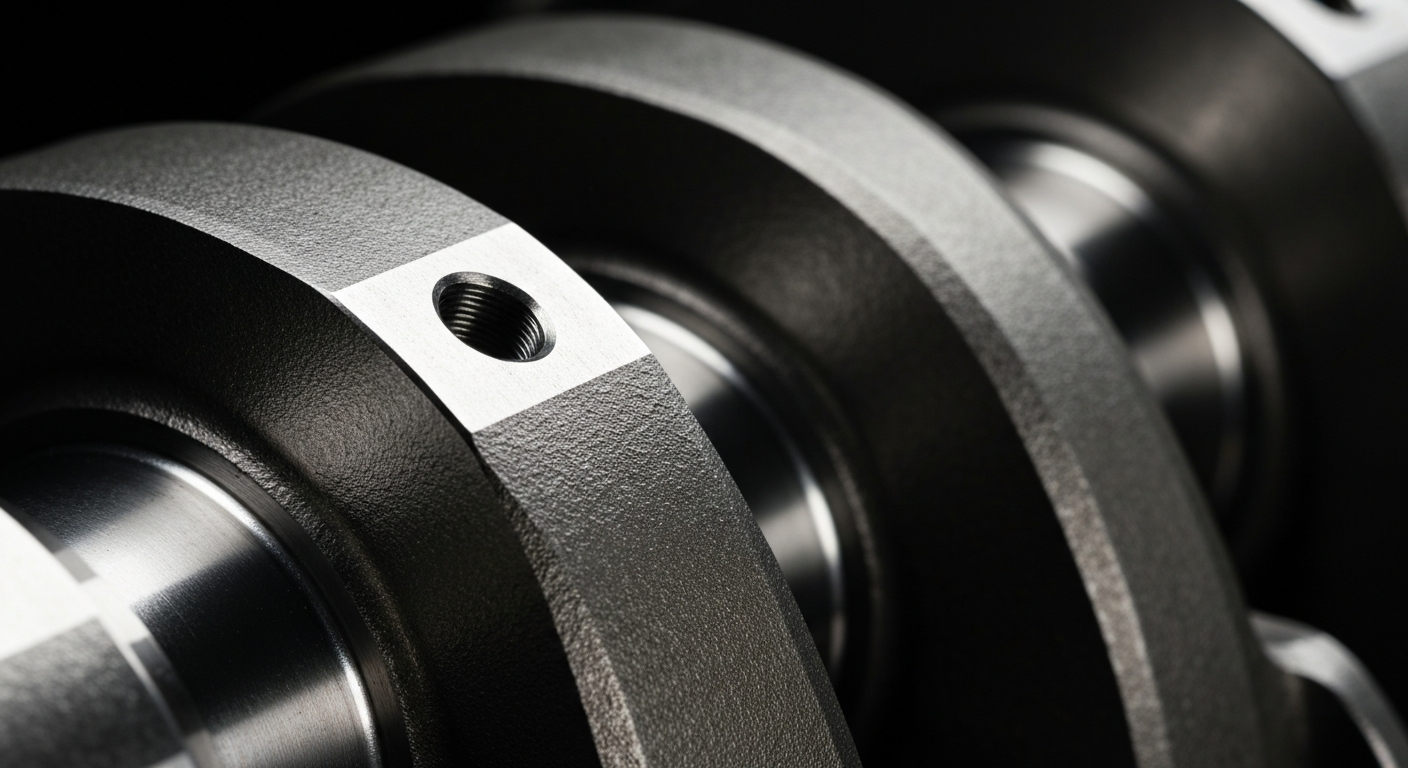 The automotive crankshaft's evolution from a basic mechanical part to a performance-critical structural asset is fueling innovation in forged steel, lightweight design, and advanced manufacturing.Rockville Today
The global automotive crankshaft market is projected to grow from $9.14 billion in 2026 to $14.88 billion by 2036, driven by rising vehicle production, engine performance demands, and the shift toward hybrid powertrains. Key factors fueling this 5% annual growth include the need for stronger, lighter forged steel crankshafts to handle higher combustion pressures, as well as the rise of advanced manufacturing techniques like AI-powered defect analytics.
Why it matters
The automotive crankshaft has evolved from a basic mechanical part into a performance-critical structural asset, as automakers prioritize lightweight, high-strength components to support the next generation of efficient hybrid and downsized engines. Manufacturers that invest in advanced metallurgy and precision automation are positioning themselves for success in a global market where mechanical integrity is essential for automotive excellence.
The details
The global automotive crankshaft market is being driven by several key trends, including the surge in hybrid vehicle production, the demand for engine downsizing and turbocharging, and the need for high-durability components in commercial logistics. Forged steel crankshafts remain the dominant segment due to their superior fatigue resistance, while passenger vehicles account for 42% of global application. Manufacturers are also integrating advanced technologies like digital twin validation and AI-powered defect inspection to ensure micron-level tolerances and reduce scrap rates.
- The global automotive crankshaft market was valued at $9.14 billion in 2026.
- The market is projected to reach $14.88 billion by 2036, growing at a 5.0% compound annual growth rate.
The players
Thyssenkrupp
A major global supplier of automotive components, including crankshafts, that is driving innovation in forged steel and lightweight designs.
Bharat Forge
An Indian forging giant that is a key player in the rapidly expanding automotive crankshaft market, especially in emerging markets like India.
What’s next
As automakers continue to prioritize engine efficiency and hybrid technology, the demand for advanced crankshaft designs and manufacturing techniques is expected to remain strong. Industry analysts will closely monitor the adoption of new materials, automation, and analytics solutions that enable crankshaft suppliers to meet the evolving performance and durability requirements of the global automotive market.
The takeaway
The automotive crankshaft market is undergoing a material and technological revolution, driven by the need for lighter, stronger components that can handle the extreme demands of modern, high-efficiency engines. Manufacturers that invest in forged steel, hybrid-ready designs, and Industry 4.0 production methods will be well-positioned to capitalize on the steady growth projected for this critical powertrain component.