- Today
- Holidays
- Birthdays
- Reminders
- Cities
- Atlanta
- Austin
- Baltimore
- Berwyn
- Beverly Hills
- Birmingham
- Boston
- Brooklyn
- Buffalo
- Charlotte
- Chicago
- Cincinnati
- Cleveland
- Columbus
- Dallas
- Denver
- Detroit
- Fort Worth
- Houston
- Indianapolis
- Knoxville
- Las Vegas
- Los Angeles
- Louisville
- Madison
- Memphis
- Miami
- Milwaukee
- Minneapolis
- Nashville
- New Orleans
- New York
- Omaha
- Orlando
- Philadelphia
- Phoenix
- Pittsburgh
- Portland
- Raleigh
- Richmond
- Rutherford
- Sacramento
- Salt Lake City
- San Antonio
- San Diego
- San Francisco
- San Jose
- Seattle
- Tampa
- Tucson
- Washington
Global MBS Market Surges, Led by Asia-Pacific Demand
LG Chem, Arkema, and Mitsubishi Chemical drive growth in automotive and electronics sectors
Mar. 31, 2026 at 11:53am
Got story updates? Submit your updates here. ›
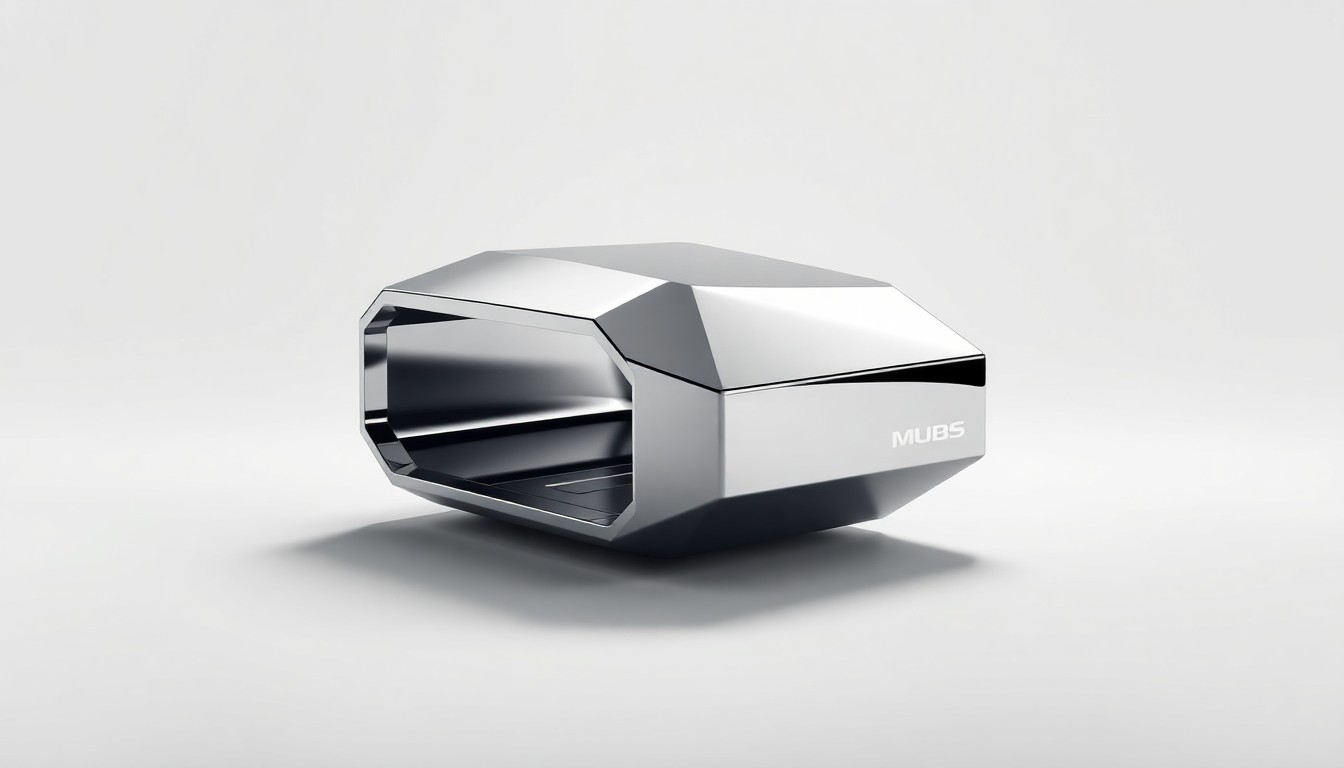 The advanced material properties of MBS enable automakers and electronics brands to create sleek, durable products that meet evolving consumer demands.Rockville Today
The global Methacrylate Butadiene Styrene (MBS) market is projected to grow from $720 million in 2025 to $1.07 billion by 2036, a 3.7% annual increase. This expansion is fueled by rising demand for MBS in the automotive industry for lightweight, scratch-resistant parts, as well as in consumer electronics for high-gloss housings. However, supply remains concentrated, creating a need for procurement teams to diversify sourcing.
Why it matters
MBS is increasingly specified over standard ABS due to its superior UV resistance, transparency, and impact performance. This growth aligns with global trends toward sustainable product design and the automotive industry's pivot to lightweighting, especially for electric vehicles.
The details
MBS is a specialty thermoplastic terpolymer that offers advantages over ABS, including better UV weathering, dimensional stability, and scratch resistance. This makes it ideal for automotive exterior parts like mirror housings, grille inserts, and pillar trims, as well as electronics housings for laptops and tablets. New demand is also emerging for bio-based and recyclable MBS grades.
- The global MBS market was valued at $720 million in 2025.
- The market is projected to reach $1.07 billion by 2036, growing at a 3.7% annual rate.
The players
LG Chem
The leading MBS producer, with a 12% market share.
Arkema
A key player in the MBS market.
Mitsubishi Chemical
A major supplier of MBS materials.
What’s next
As demand for MBS continues to grow, particularly in the automotive and electronics sectors, manufacturers will need to invest in expanding production capacity and diversifying their supplier networks to mitigate supply chain risks.
The takeaway
The rising popularity of MBS over standard ABS reflects the material's advantages in terms of UV resistance, dimensional stability, and scratch performance. This growth aligns with broader industry trends toward sustainability, lightweighting, and high-end product design.