- Today
- Holidays
- Birthdays
- Reminders
- Cities
- Atlanta
- Austin
- Baltimore
- Berwyn
- Beverly Hills
- Birmingham
- Boston
- Brooklyn
- Buffalo
- Charlotte
- Chicago
- Cincinnati
- Cleveland
- Columbus
- Dallas
- Denver
- Detroit
- Fort Worth
- Houston
- Indianapolis
- Knoxville
- Las Vegas
- Los Angeles
- Louisville
- Madison
- Memphis
- Miami
- Milwaukee
- Minneapolis
- Nashville
- New Orleans
- New York
- Omaha
- Orlando
- Philadelphia
- Phoenix
- Pittsburgh
- Portland
- Raleigh
- Richmond
- Rutherford
- Sacramento
- Salt Lake City
- San Antonio
- San Diego
- San Francisco
- San Jose
- Seattle
- Tampa
- Tucson
- Washington
Journalists Trace Influence of 'Religious Left' Organizing
Faith-based protests against Trump's immigration policies draw from both spontaneous activism and reemergence of religious networks.
Mar. 31, 2026 at 4:24pm
Got story updates? Submit your updates here. ›
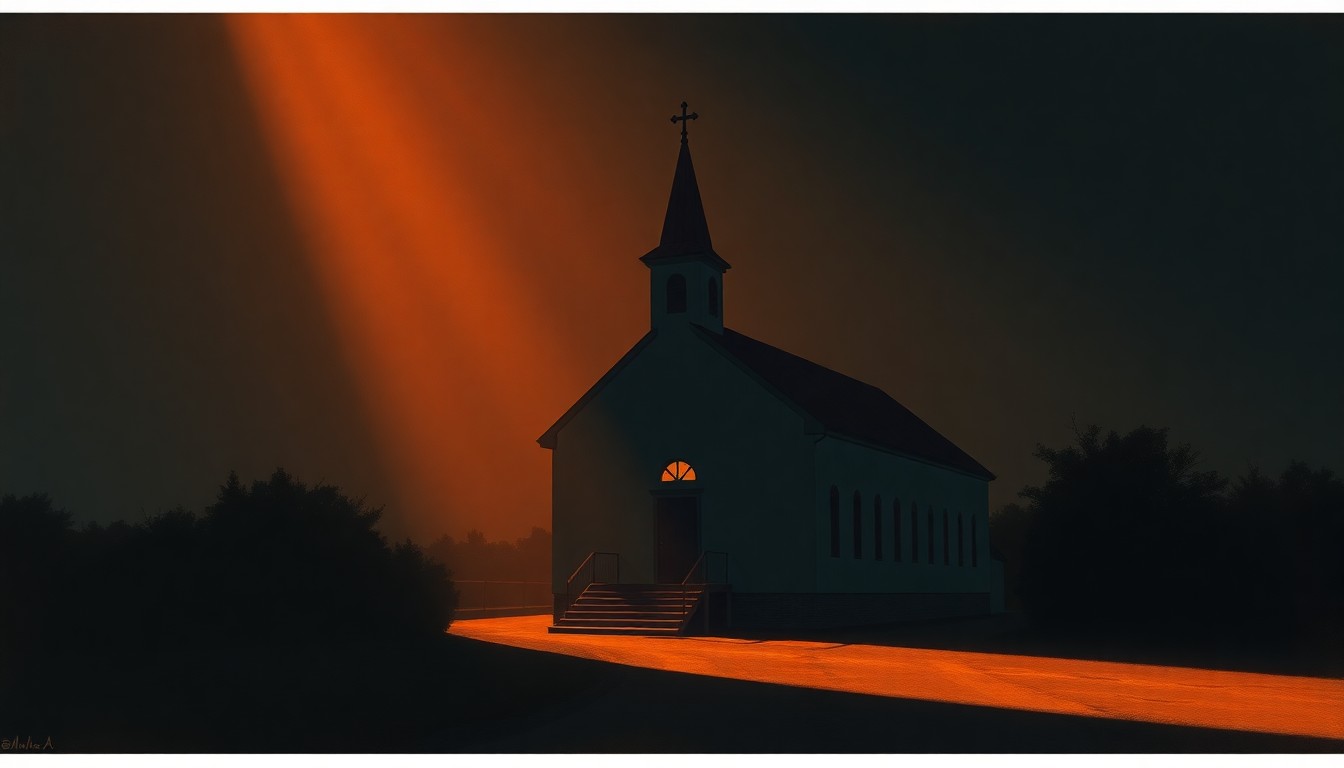 The 'religious left' movement has drawn on longstanding networks and relationships among clergy to organize high-profile protests against the Trump administration's immigration policies.Bethesda Today
A panel of journalists discussed the surge in faith-based protests against President Donald Trump's immigration policies, which have drawn from both spontaneous activism and the reemergence of networks of religious groups. The existence of organized faith-based resistance to the Trump administration's deportation actions burst into public consciousness during high-profile protests earlier this year in cities like Chicago and Minneapolis, where images of clergy being arrested and assaulted became commonplace.
Why it matters
The current iteration of the 'religious left' movement can be traced back to Trump's inauguration in 2025, when Episcopal Bishop Mariann Budde gave a sermon imploring him to consider the struggles of LGBTQ children and undocumented immigrants. The movement was further energized when Trump rescinded the policy prohibiting immigration enforcement raids at sensitive locations like houses of worship, putting religious congregations on alert.
The details
The panel, which included NPR religion correspondent Jason DeRose and Religion News Service reporters Jack Jenkins and Yonat Shimron, discussed how elements of the religious left can be found in historical movements like the Civil Rights and Abolition movements. The modern movement has achieved a 'kind of perfection' in protest strategies, with text chains, roving patrols, and training on how to respond to ICE raids. There has also been a 'mutual aid approach' to provide groceries and other assistance to affected communities.
- On Inauguration Day 2025, Episcopal Bishop Mariann Budde gave a sermon imploring Trump to consider the struggles of LGBTQ children and undocumented immigrants.
- In October 2023, the religious left mobilized to protest Israel's war in Gaza following a Hamas attack against Israel.
- A day after taking office in 2025, Trump rescinded the longstanding policy prohibiting immigration enforcement raids at sensitive locations like houses of worship, schools, and hospitals.
The players
Mariann Budde
The Episcopal bishop of Washington, D.C. who gave a sermon on Inauguration Day 2025 imploring Trump to consider the struggles of LGBTQ children and undocumented immigrants.
Clergy and Laity United for Economic Justice (CLUE)
A Los Angeles-area organization that has existed for more than 30 years and has longstanding relationships and networks of clergy from across the religious spectrum, aiding the vigils and protests in Minneapolis.
What they’re saying
“They have existed for more than 30 years, and when they needed to come together, they had these pre-existing relationships, … these long standing networks of people who have worked together, clergy from all parts of the religious spectrum.”
— Jason DeRose, NPR religion correspondent
“A core piece of the Jewish experience in the U.S. — and at a time when the Jewish community is very divided over Israel — immigration is one issue that clergy, rabbis across the board can really unite around.”
— Yonat Shimron, Religion News Service reporter
What’s next
The panel discussion was part of an ongoing series examining the rise of the 'religious left' and its influence on political and social issues. Future events are planned to further explore this topic and its implications.
The takeaway
The organized faith-based resistance to the Trump administration's immigration policies represents the reemergence of longstanding networks and relationships among clergy and religious groups, drawing on a history of activism and cooperation that dates back decades. This movement has achieved a high level of coordination and strategic sophistication in its protests and mutual aid efforts.