- Today
- Holidays
- Birthdays
- Reminders
- Cities
- Atlanta
- Austin
- Baltimore
- Berwyn
- Beverly Hills
- Birmingham
- Boston
- Brooklyn
- Buffalo
- Charlotte
- Chicago
- Cincinnati
- Cleveland
- Columbus
- Dallas
- Denver
- Detroit
- Fort Worth
- Houston
- Indianapolis
- Knoxville
- Las Vegas
- Los Angeles
- Louisville
- Madison
- Memphis
- Miami
- Milwaukee
- Minneapolis
- Nashville
- New Orleans
- New York
- Omaha
- Orlando
- Philadelphia
- Phoenix
- Pittsburgh
- Portland
- Raleigh
- Richmond
- Rutherford
- Sacramento
- Salt Lake City
- San Antonio
- San Diego
- San Francisco
- San Jose
- Seattle
- Tampa
- Tucson
- Washington
Mercy Oncologist Explains Triple-Negative Breast Cancer
Research shows higher rates among African American patients
Apr. 13, 2026 at 3:27pm
Got story updates? Submit your updates here. ›
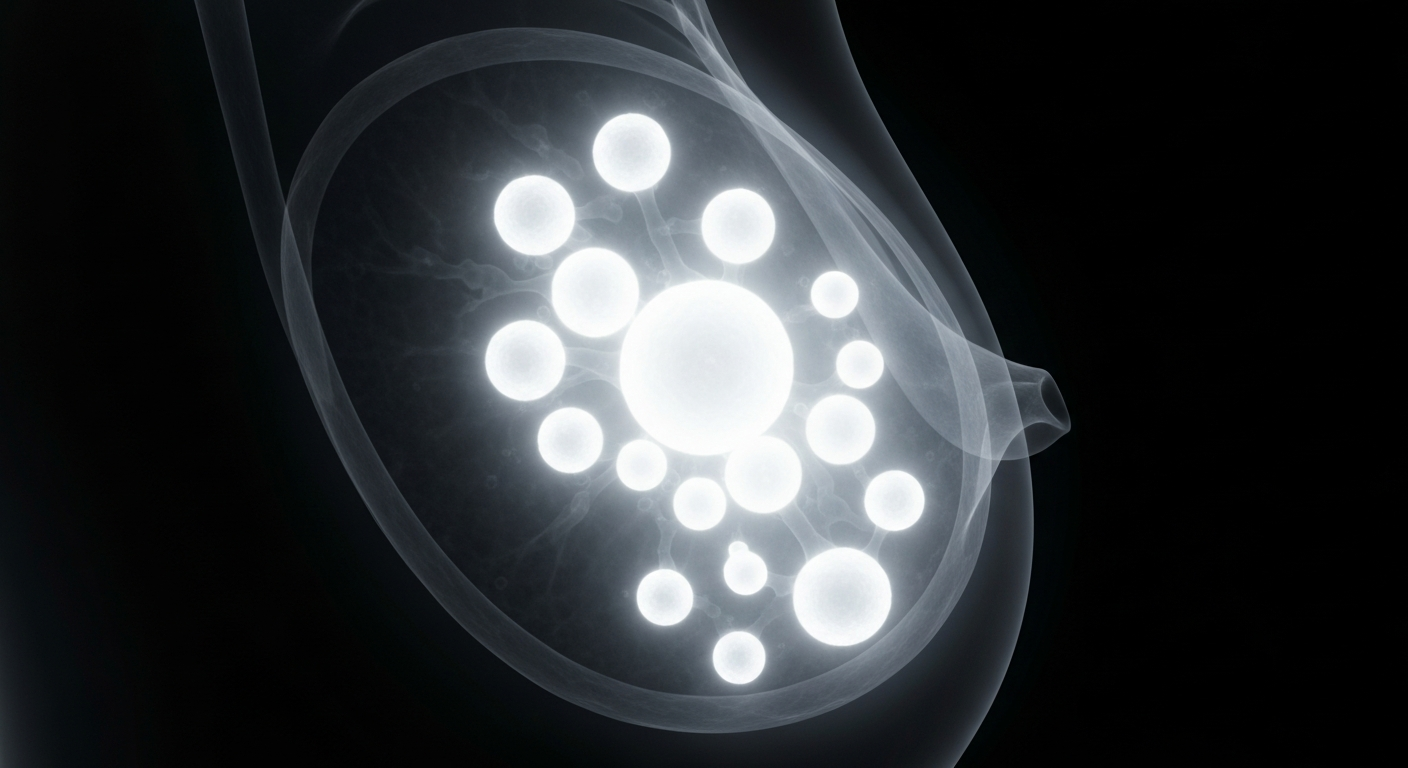 An X-ray view reveals the complex cellular structures underlying the aggressive nature of triple-negative breast cancer.Baltimore Today
Dr. David Rosenberg, an oncologist at Mercy Medical Center in Baltimore, discussed the development of triple-negative breast cancer and why it is more common among African American patients during an interview with local news station WBAL.
Why it matters
Triple-negative breast cancer is an aggressive form of the disease that lacks certain receptors, making it more difficult to treat. Understanding the factors that contribute to its higher prevalence in the African American community is crucial for improving outcomes and access to care.
The details
Dr. Rosenberg explained that triple-negative breast cancer develops when breast cancer cells do not have estrogen receptors, progesterone receptors, or HER2 protein. This means the cancer cannot be treated with hormone therapies or targeted HER2 drugs. Ongoing research is examining genetic and environmental factors that may contribute to the higher incidence rates among African American women.
- The interview with Dr. Rosenberg aired on April 13, 2026.
The players
Dr. David Rosenberg
An oncologist at Mercy Medical Center in Baltimore who specializes in breast cancer treatment and research.
Mercy Medical Center
A leading academic medical center in Baltimore, Maryland that provides advanced cancer care and conducts research.
What they’re saying
“Understanding the factors that contribute to its higher prevalence in the African American community is crucial for improving outcomes and access to care.”
— Dr. David Rosenberg, Oncologist
The takeaway
This interview highlights the ongoing need for more research and awareness around the disparities in triple-negative breast cancer, which disproportionately affects the African American community. Improving access to screening, early detection, and advanced treatments is essential for addressing this critical health equity issue.
Baltimore top stories



Baltimore events

Apr. 15, 2026
Baltimore Orioles vs. Arizona Diamondbacks
Apr. 17, 2026
Blade Rave
Apr. 17, 2026
Let's Love