- Today
- Holidays
- Birthdays
- Reminders
- Cities
- Atlanta
- Austin
- Baltimore
- Berwyn
- Beverly Hills
- Birmingham
- Boston
- Brooklyn
- Buffalo
- Charlotte
- Chicago
- Cincinnati
- Cleveland
- Columbus
- Dallas
- Denver
- Detroit
- Fort Worth
- Houston
- Indianapolis
- Knoxville
- Las Vegas
- Los Angeles
- Louisville
- Madison
- Memphis
- Miami
- Milwaukee
- Minneapolis
- Nashville
- New Orleans
- New York
- Omaha
- Orlando
- Philadelphia
- Phoenix
- Pittsburgh
- Portland
- Raleigh
- Richmond
- Rutherford
- Sacramento
- Salt Lake City
- San Antonio
- San Diego
- San Francisco
- San Jose
- Seattle
- Tampa
- Tucson
- Washington
Digital Twins Revolutionize Heart Treatment
Johns Hopkins researchers use aerospace technology to create personalized cardiac models and improve patient outcomes.
Apr. 10, 2026 at 6:33am
Got story updates? Submit your updates here. ›
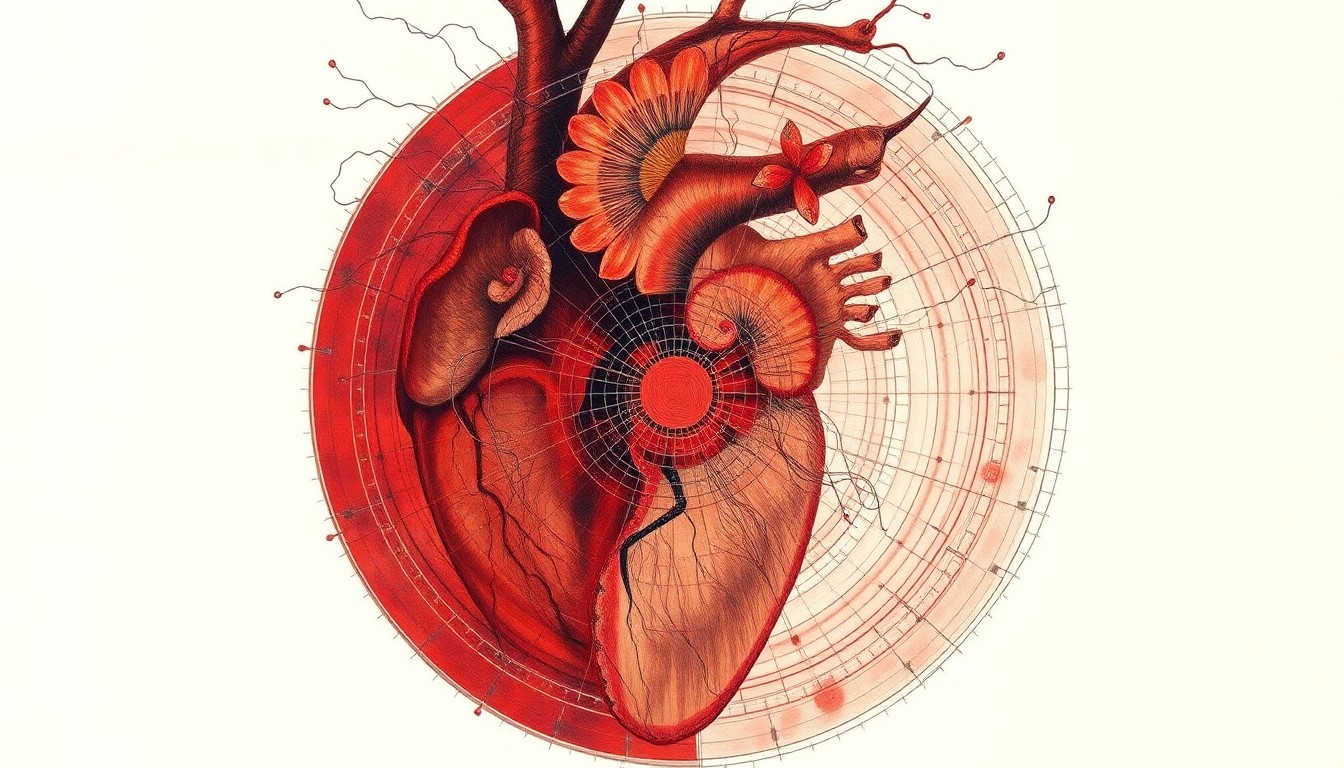 A digital twin of the heart offers doctors a powerful new tool to anticipate and prevent complications, revolutionizing cardiac care.Baltimore Today
Researchers at Johns Hopkins University are pioneering the use of digital twins, a technology long used in aerospace, to revolutionize the treatment of ventricular tachycardia, a deadly heart condition. These digital replicas of a patient's heart allow doctors to simulate and optimize treatments before performing procedures, shifting the paradigm from reactive to proactive medicine.
Why it matters
The development of digital twins for cardiac care represents a significant advancement in precision medicine, offering the potential to minimize tissue damage, reduce procedure times, and improve patient outcomes. If successful, this technology could be applied to other organs and diseases, transforming the future of healthcare.
The details
Digital twins are dynamic models that can predict how a specific heart will react to different treatments, unlike traditional 3D models which offer a static representation. The researchers visualize the electrical wave in the heart as a swirling hurricane, helping to pinpoint the precise location where the wave gets trapped. In an initial trial, 80% of patients remained arrhythmia-free after a year, suggesting the potential for even greater precision in cardiac ablation procedures.
- The digital twin technology was pioneered by researchers at Johns Hopkins University.
- The initial trial of the digital twin technology for ventricular tachycardia treatment was conducted in 2026.
The players
Johns Hopkins University
A leading research institution that has pioneered the use of digital twins for cardiac care, shifting the paradigm from reactive to proactive medicine.
What’s next
The Hopkins team is already exploring the use of digital twins for atrial fibrillation, a much more common arrhythmia. As the technology advances, researchers will need to address ethical considerations, such as ensuring patient consent and data privacy.
The takeaway
The development of digital twins for cardiac care marks a significant turning point in medicine, shifting the paradigm from reactive to proactive treatment. This technology has the potential to transform the future of healthcare, offering personalized solutions for a wide range of medical conditions.
Baltimore top stories



Baltimore events

Apr. 10, 2026
Words, Wings & Wine