- Today
- Holidays
- Birthdays
- Reminders
- Cities
- Atlanta
- Austin
- Baltimore
- Berwyn
- Beverly Hills
- Birmingham
- Boston
- Brooklyn
- Buffalo
- Charlotte
- Chicago
- Cincinnati
- Cleveland
- Columbus
- Dallas
- Denver
- Detroit
- Fort Worth
- Houston
- Indianapolis
- Knoxville
- Las Vegas
- Los Angeles
- Louisville
- Madison
- Memphis
- Miami
- Milwaukee
- Minneapolis
- Nashville
- New Orleans
- New York
- Omaha
- Orlando
- Philadelphia
- Phoenix
- Pittsburgh
- Portland
- Raleigh
- Richmond
- Rutherford
- Sacramento
- Salt Lake City
- San Antonio
- San Diego
- San Francisco
- San Jose
- Seattle
- Tampa
- Tucson
- Washington
Baltimore Reparations Funds Remain Unused Amid Official Disputes
City leaders clash over control of $35 million in reparations money intended to address racial inequities.
Apr. 9, 2026 at 8:00pm
Got story updates? Submit your updates here. ›
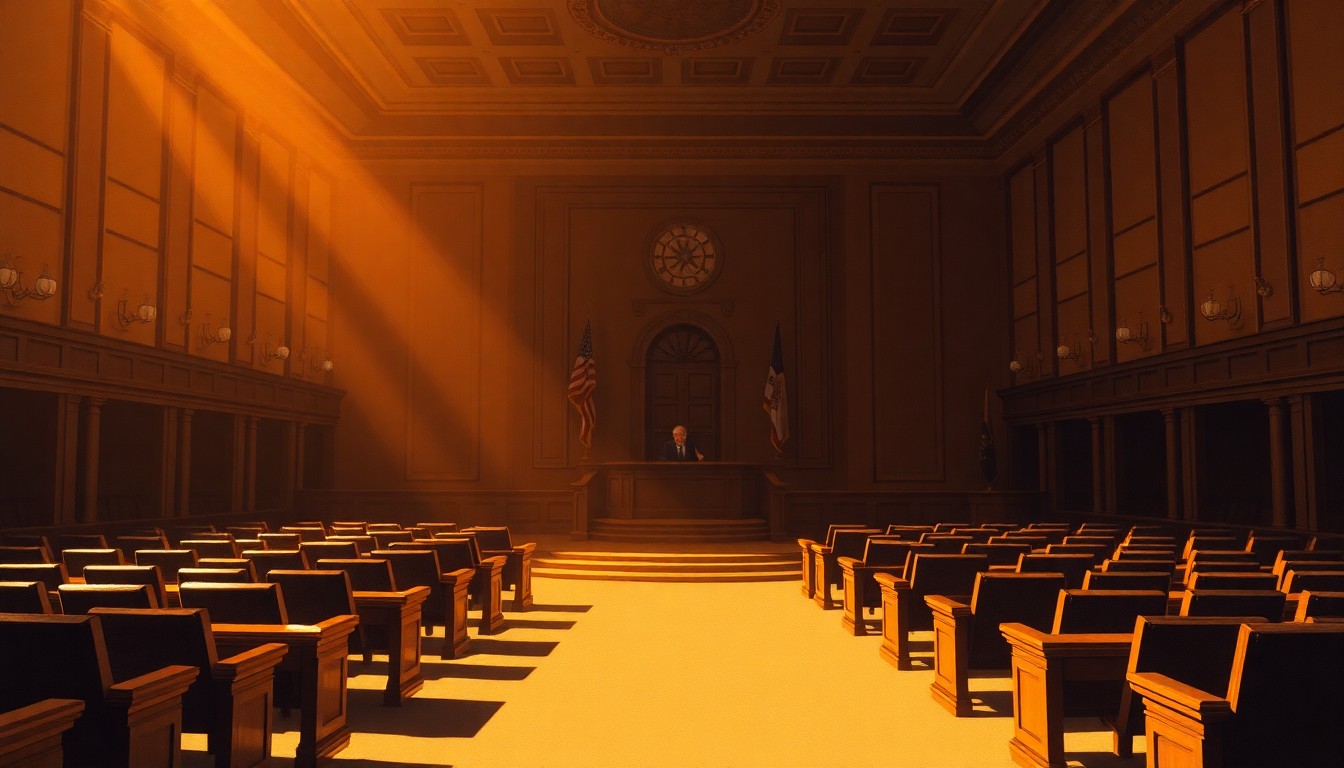 As Baltimore's reparations funds sit unused, the city's political gridlock casts a long shadow over efforts to address historical racial inequities.Baltimore Today
According to a report from The Baltimore Beat, $35 million in reparations funds allocated for Baltimore remain unused as city officials battle over who should control the distribution of the money, which was intended to address longstanding racial inequities in the city.
Why it matters
The ongoing dispute over the reparations funds highlights the challenges cities face in implementing equitable policies and programs to redress historical injustices. The unused money represents a missed opportunity to make tangible investments in Baltimore's Black communities.
The details
The reparations funds were approved by the Baltimore City Council in 2024 as part of a broader initiative to address racial disparities. However, city leaders have been unable to agree on the governance structure and criteria for distributing the money, leading to the funds sitting idle for over two years.
- The Baltimore City Council approved the $35 million in reparations funds in 2024.
- The funds have remained unused for over two years as of April 2026.
The players
Baltimore City Council
The legislative body of Baltimore that approved the $35 million in reparations funds in 2024.
What’s next
City officials must reach an agreement on the governance and distribution of the reparations funds in order to begin investing the money in Baltimore's Black communities.
The takeaway
The ongoing dispute over the reparations funds in Baltimore highlights the challenges cities face in translating policy commitments into tangible action. Resolving this impasse and putting the money to use is crucial for addressing longstanding racial inequities in the city.
Baltimore top stories


Baltimore events

Apr. 10, 2026
Words, Wings & Wine