- Today
- Holidays
- Birthdays
- Reminders
- Cities
- Atlanta
- Austin
- Baltimore
- Berwyn
- Beverly Hills
- Birmingham
- Boston
- Brooklyn
- Buffalo
- Charlotte
- Chicago
- Cincinnati
- Cleveland
- Columbus
- Dallas
- Denver
- Detroit
- Fort Worth
- Houston
- Indianapolis
- Knoxville
- Las Vegas
- Los Angeles
- Louisville
- Madison
- Memphis
- Miami
- Milwaukee
- Minneapolis
- Nashville
- New Orleans
- New York
- Omaha
- Orlando
- Philadelphia
- Phoenix
- Pittsburgh
- Portland
- Raleigh
- Richmond
- Rutherford
- Sacramento
- Salt Lake City
- San Antonio
- San Diego
- San Francisco
- San Jose
- Seattle
- Tampa
- Tucson
- Washington
Maryland Lawmakers Clash Over BGE Rate Relief Bills
House and Senate pass different versions of energy legislation, with less than a week to reach compromise.
Apr. 8, 2026 at 1:17am
Got story updates? Submit your updates here. ›
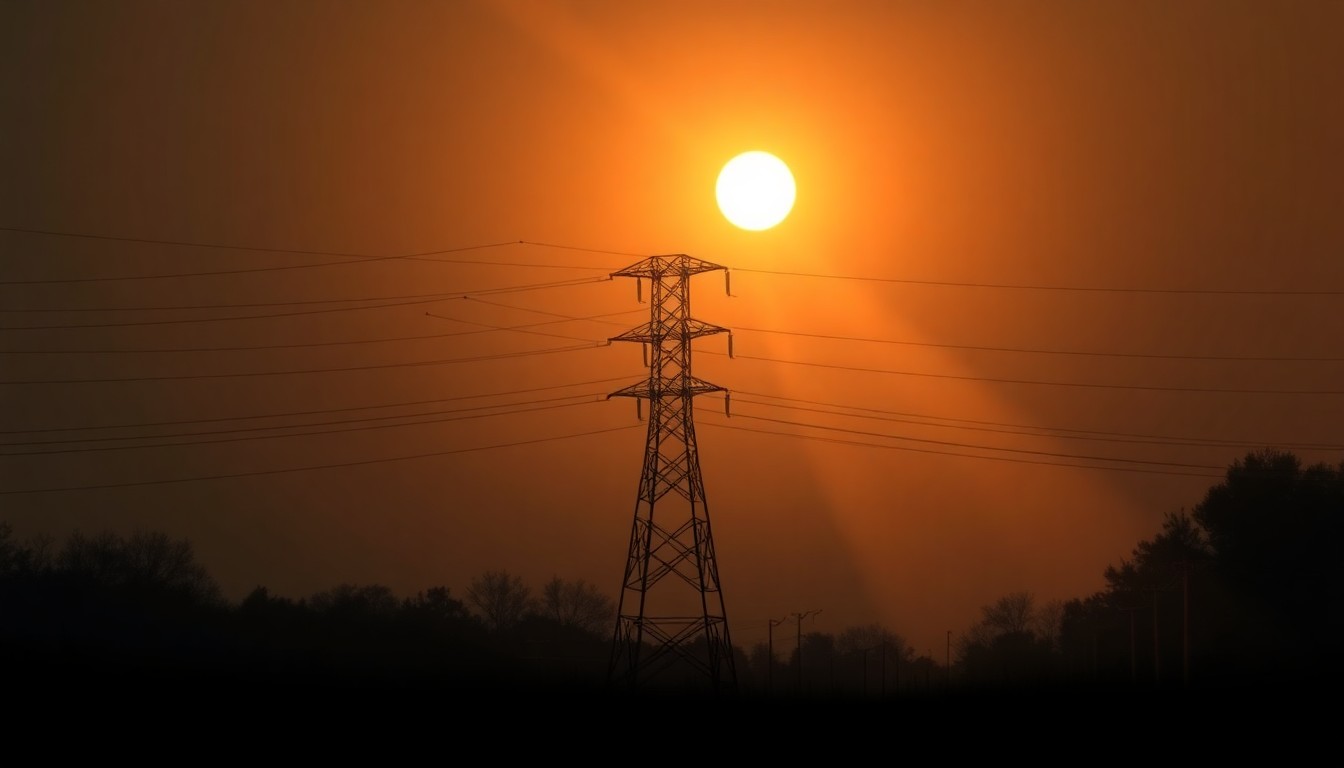 As Maryland lawmakers clash over energy policy, a sense of political uncertainty hangs over the state's power grid.Baltimore Today
Lawmakers in Maryland are in a race against the clock to reconcile differences between the House and Senate versions of an energy bill that offers rate relief for Baltimore Gas and Electric (BGE) customers. The two chambers have taken divergent approaches on issues like renewables, power generation, and the impact of data centers, leaving them with less than a week to reach an agreement before the legislative session ends.
Why it matters
The outcome of this legislation will have significant implications for BGE ratepayers, as well as the state's environmental goals and the energy demands of the growing data center industry. Reaching a compromise that balances these competing interests is crucial for Maryland's energy future.
The details
The House and Senate bills include different approaches to ratepayer relief, renewables, power generation, and issues surrounding the growth in data centers and their energy demands. The Senate version restores the Empower Maryland program to its current greenhouse gas reduction goals by 2030, while the House wants to extend it to 2036. The House also wants to ban the practice of allowing utilities to raise rates based on future upgrade spending, while the Senate wants regulators to study the issue. The Senate has also adopted Republican amendments, such as giving property owners notice about power line installations and allowing utilities to spread the cost of new natural gas hook-ups to all customers.
- The legislative session in Maryland ends in less than a week.
- A conference committee has not yet been established to reconcile the differences between the House and Senate bills.
The players
Bill Ferguson
Senate President, D-District 46, who has emphasized the importance of getting the policy right to reduce costs in the medium term, particularly regarding the impact of data centers.
Joseline Peña-Melnyk
House Speaker, D-District 21, who has stated that the House version of the bill provides the strongest posture for ratepayer protection.
Maryland PIRG
An environmental group that is disappointed with the Senate version of the bill, saying it rolls back changes to utility oversight and transparency and adds new opportunities for utilities to profit.
What they’re saying
“Getting this policy right will also be one of the best tools for reducing costs in the long run — not even in the long run. The medium term, once we have the tariffs in place. So, it's really critical that the House adopt this position.”
— Bill Ferguson, Senate President, D-District 46
“We think the House version of the bill is the strongest posture for ratepayer protection and we'll be working with the Senate to get a final bill across the finish line.”
— Joseline Peña-Melnyk, House Speaker, D-District 21
What’s next
A conference committee is expected to be established soon to begin the process of reconciling the differences between the House and Senate versions of the energy bill. Lawmakers have less than a week to reach a compromise before the legislative session ends.
The takeaway
The clash between the Maryland House and Senate over this energy bill highlights the complex balancing act of addressing ratepayer concerns, environmental goals, and the growing energy demands of the data center industry. The ability of lawmakers to find a middle ground that satisfies these competing interests will be crucial for the state's energy future.
Baltimore top stories



Baltimore events


Apr. 10, 2026
Words, Wings & Wine