- Today
- Holidays
- Birthdays
- Reminders
- Cities
- Atlanta
- Austin
- Baltimore
- Berwyn
- Beverly Hills
- Birmingham
- Boston
- Brooklyn
- Buffalo
- Charlotte
- Chicago
- Cincinnati
- Cleveland
- Columbus
- Dallas
- Denver
- Detroit
- Fort Worth
- Houston
- Indianapolis
- Knoxville
- Las Vegas
- Los Angeles
- Louisville
- Madison
- Memphis
- Miami
- Milwaukee
- Minneapolis
- Nashville
- New Orleans
- New York
- Omaha
- Orlando
- Philadelphia
- Phoenix
- Pittsburgh
- Portland
- Raleigh
- Richmond
- Rutherford
- Sacramento
- Salt Lake City
- San Antonio
- San Diego
- San Francisco
- San Jose
- Seattle
- Tampa
- Tucson
- Washington
Maryland Lawmakers Debate Utility Relief Bill Amid Partisan Divide
The Utility Reducing Energy Load Inflation for Everyday Families Act aims to lower electric bills, but faces criticism from Republicans and environmentalists.
Apr. 3, 2026 at 1:56am
Got story updates? Submit your updates here. ›
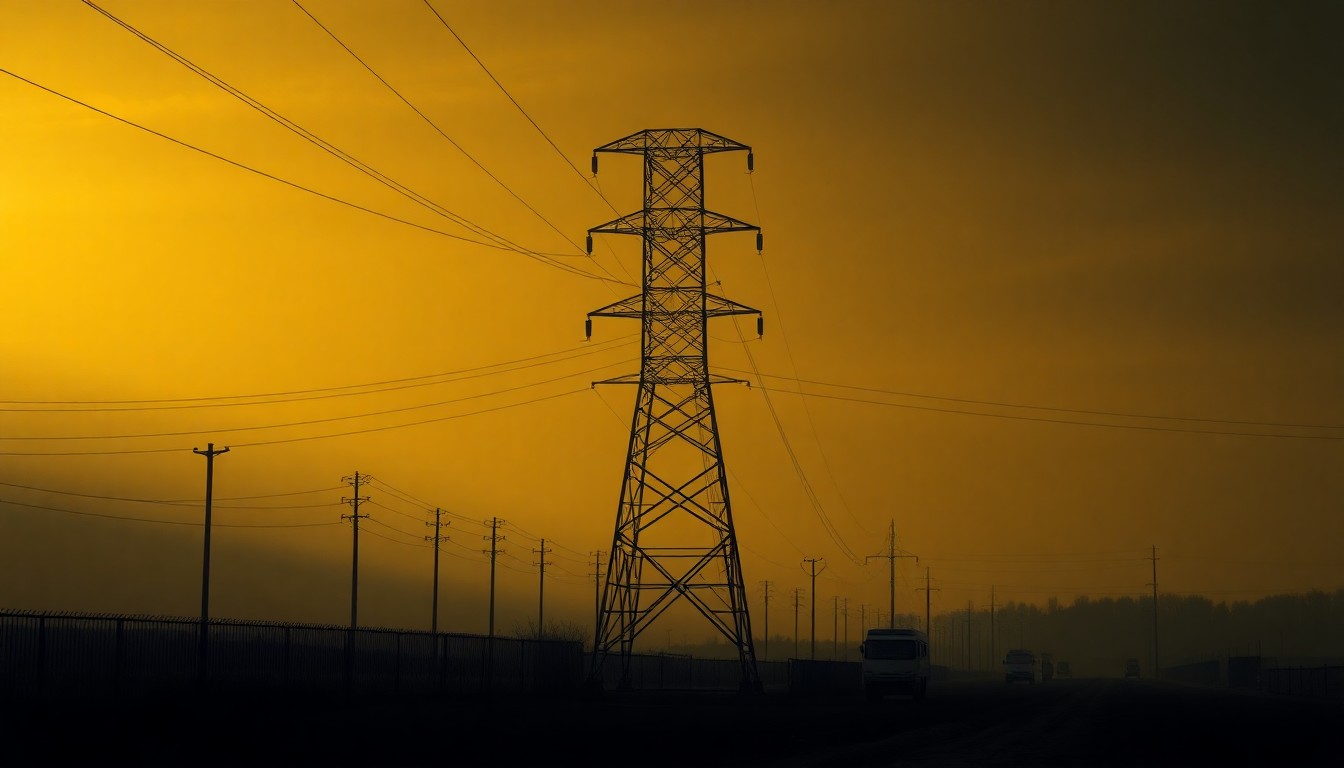 As Maryland lawmakers grapple with the competing priorities of affordable energy and sustainable policies, the debate over utility relief legislation reflects the state's ongoing energy challenges.Baltimore Today
Maryland lawmakers are engaged in a heated debate over a comprehensive utility relief bill that would make wide-ranging changes to the state's energy policy. The Utility Reducing Energy Load Inflation for Everyday Families Act is intended to provide short-term, medium-term, and long-term rate relief for ratepayers, but has drawn criticism from Republicans who argue it doesn't go far enough and from environmentalists concerned about its impact on clean energy initiatives.
Why it matters
The debate over this bill highlights the ongoing tensions in Maryland between the need to provide affordable energy for consumers and the push for more sustainable, environmentally-friendly energy policies. As data centers continue to drive up energy demand, lawmakers are grappling with how to balance these competing priorities.
The details
The bill would establish consumer transparency requirements for utilities, put guardrails on the growth of data centers, and cap the amount of executive bonus money that Baltimore Gas and Electric can recoup from ratepayers. It would also require the Maryland Public Service Commission to study BGE's spending practices and notify property owners when new powerline projects are approved in their neighborhoods. Republicans have pushed to pause the EmPOWER Maryland program, which offers incentives for household energy efficiency but adds a $15-$20 monthly surcharge to customer bills.
- The Senate bill advanced to third reader on Thursday after an emotional debate.
- The nearly identical House version of the bill is also on the Senate floor and will be considered starting on Monday.
The players
Stephen Hershey
Senate Minority Leader, R-District 36.
Justin Ready
Senate Minority Whip, R-District 5.
Katie Fry-Hester
Senate Deputy Majority Whip, D-District 9.
Brian Feldman
Senate Education, Energy and the Environment Committee Chairman, D-District 15.
J.B. Jennings
Republican senator whose district encompasses portions of Baltimore and Harford counties.
What they’re saying
“'$150 a year breaks down to $12.50 a month. That's what we are doing.'”
— Stephen Hershey, Senate Minority Leader
“'It has been called a little bit of a Frankenstein bill and it's supposed to be about relief for ratepayers. We're banking our people pay a lot more of how much (the Regional Greenhouse Gas Initiative) costs consumers. It is estimated it adds about $20 to $25 a month on everybody's bill.'”
— Justin Ready, Senate Minority Whip
“'If we were to do nothing, colleagues, the continued growth of these data centers would grow to be 32 gigawatts across the PJM area. That equates roughly to $163 billion, which could be an additional $70 per month on everybody's residential energy bill.'”
— Katie Fry-Hester, Senate Deputy Majority Whip
“'As amended, Senate Bill 841 addresses energy affordability by providing short-, medium- and long-term rate relief for Maryland ratepayers through a variety of program changes and adjustments.'”
— Brian Feldman, Senate Education, Energy and the Environment Committee Chairman
“'Nobody knew about this until it was too late.'”
— J.B. Jennings, Republican senator
What’s next
The Senate bill has advanced to third reader, and the nearly identical House version will be considered by the Senate starting on Monday.
The takeaway
This debate over the Utility Reducing Energy Load Inflation for Everyday Families Act highlights the ongoing challenge for Maryland lawmakers to balance the need for affordable energy with the push for more sustainable, environmentally-friendly policies. The partisan divide over the bill's approach suggests this issue will continue to be a source of contention in the state.
Baltimore top stories



Baltimore events

Apr. 3, 2026
Morgan State University Acrobatics and Tumbling
Apr. 3, 2026
SoDown & WonkyWilla: On The Air Vol 2 Tour
Apr. 4, 2026
Phoneboy w/ Heart Attack Man