- Today
- Holidays
- Birthdays
- Reminders
- Cities
- Atlanta
- Austin
- Baltimore
- Berwyn
- Beverly Hills
- Birmingham
- Boston
- Brooklyn
- Buffalo
- Charlotte
- Chicago
- Cincinnati
- Cleveland
- Columbus
- Dallas
- Denver
- Detroit
- Fort Worth
- Houston
- Indianapolis
- Knoxville
- Las Vegas
- Los Angeles
- Louisville
- Madison
- Memphis
- Miami
- Milwaukee
- Minneapolis
- Nashville
- New Orleans
- New York
- Omaha
- Orlando
- Philadelphia
- Phoenix
- Pittsburgh
- Portland
- Raleigh
- Richmond
- Rutherford
- Sacramento
- Salt Lake City
- San Antonio
- San Diego
- San Francisco
- San Jose
- Seattle
- Tampa
- Tucson
- Washington
Single Psilocybin Dose Boosts Smokers' Odds of Quitting by Over 6 Times
New Johns Hopkins study finds psychedelic compound far outperforms nicotine patches for smoking cessation
Mar. 19, 2026 at 7:00am
Got story updates? Submit your updates here. ›
A new clinical trial from Johns Hopkins University found that participants who took a single dose of psilocybin, the active compound in magic mushrooms, had more than six times greater odds of being cigarette-free at the six-month mark compared to those using nicotine patches. The study enrolled 82 current smokers, with one group receiving psilocybin in a guided session and the other using nicotine patches, both alongside 13 weeks of cognitive behavioral therapy. At six months, 17 people in the psilocybin group had stayed off cigarettes, while only four in the nicotine patch group had done the same.
Why it matters
Smoking remains the leading cause of preventable death in the United States, yet current quit-smoking medications and therapies have long-term success rates of only 20-30%. This study suggests psilocybin could offer a novel and significantly more effective approach to smoking cessation, potentially helping millions of Americans kick the habit.
The details
The study participants in the psilocybin group lay in a room wearing eye shades and listening to soft music, with facilitators present to keep them comfortable. The psilocybin experience itself was described as 'self-directed.' Researchers noted that psilocybin appears to trigger a genuine shift in perspective and a new sense of agency, rather than just mimicking or replacing nicotine like existing medications. The intensive therapeutic structure around the psilocybin session also seemed central to the outcome.
- The study enrolled 82 current smokers in March 2026.
- Participants received either psilocybin or nicotine patches over 13 weeks of cognitive behavioral therapy.
- At the 6-month mark, the results were assessed.
The players
Matthew Johnson
The study's lead author and a professor of psychiatry at Johns Hopkins University.
Brian Barnett
An addiction psychiatrist at the Cleveland Clinic Lerner College of Medicine who was not involved in the study.
Megan Piper
The director of the UW Center for Tobacco Research and Intervention.
What they’re saying
“I was surprised by the sheer magnitude of the effect.”
— Matthew Johnson
“It's a very different treatment approach from just trying to replace or sort of mimic the drug that's being misused.”
— Brian Barnett, addiction psychiatrist
“It's not the drug by itself here. It's really harnessing the neuroplastic and learning effects that happen after the exposure.”
— Brian Barnett, addiction psychiatrist
What’s next
The National Institutes of Health has already funded a larger ongoing trial that includes a placebo arm, which will help replicate the findings and draw firmer conclusions about psilocybin's efficacy for smoking cessation.
The takeaway
This study suggests psilocybin could offer a groundbreaking new approach to helping smokers quit, with success rates far exceeding existing medications and therapies. If the results hold in larger trials, psilocybin could become a powerful tool in the fight against the leading cause of preventable death in the US.
Baltimore top stories



Baltimore events
Apr. 12, 2026
Baltimore Orioles vs. San Francisco Giants
Apr. 12, 2026
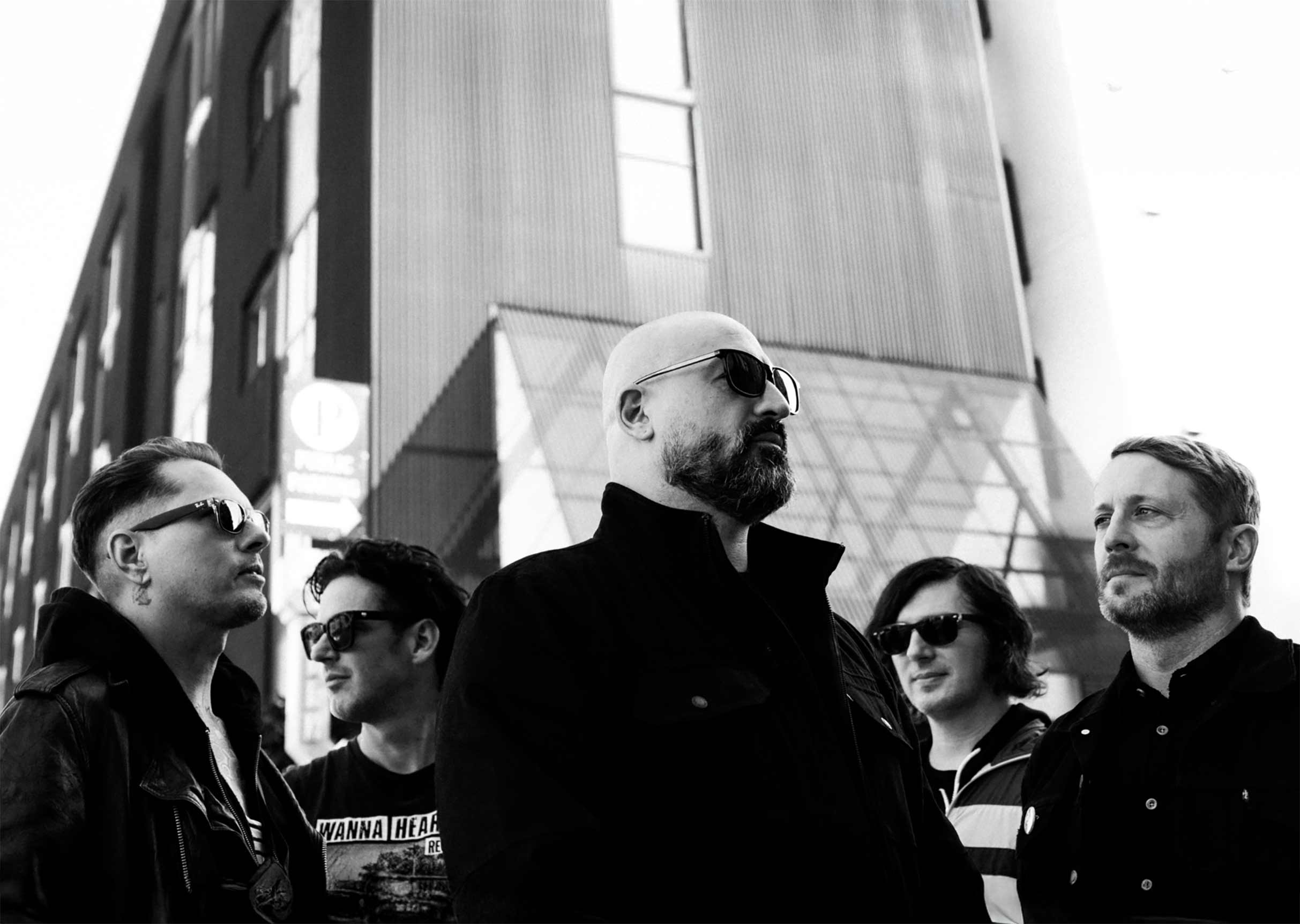
Poison the Well - Peace in Place Tour