- Today
- Holidays
- Birthdays
- Reminders
- Cities
- Atlanta
- Austin
- Baltimore
- Berwyn
- Beverly Hills
- Birmingham
- Boston
- Brooklyn
- Buffalo
- Charlotte
- Chicago
- Cincinnati
- Cleveland
- Columbus
- Dallas
- Denver
- Detroit
- Fort Worth
- Houston
- Indianapolis
- Knoxville
- Las Vegas
- Los Angeles
- Louisville
- Madison
- Memphis
- Miami
- Milwaukee
- Minneapolis
- Nashville
- New Orleans
- New York
- Omaha
- Orlando
- Philadelphia
- Phoenix
- Pittsburgh
- Portland
- Raleigh
- Richmond
- Rutherford
- Sacramento
- Salt Lake City
- San Antonio
- San Diego
- San Francisco
- San Jose
- Seattle
- Tampa
- Tucson
- Washington
Supreme Court Strikes Down Trump's 'Liberation Day' Tariffs, But Alternatives Remain
Multiple laws could allow former president to reassert aggressive trade powers despite court ruling.
Mar. 1, 2026 at 10:07pm
Got story updates? Submit your updates here. ›
The Supreme Court has ruled that President Trump's use of the International Emergency Economic Powers Act to impose sweeping "Liberation Day" tariffs was unconstitutional, as the Constitution gives Congress, not the president, authority over tariffs. However, the decision may not be the final word, as multiple legal avenues remain that could allow Trump to continue imposing trade restrictions, including the Trade Expansion Act, the Trade Act of 1974, and even Depression-era statutes like the Smoot-Hawley Tariff Act.
Why it matters
The Supreme Court's ruling is a significant check on the president's trade powers, but it also highlights the complex web of laws that can be used to enact tariffs, even against the court's wishes. This case raises broader questions about the balance of power between the executive and legislative branches when it comes to trade policy and the extent to which a president can unilaterally impose tariffs.
The details
In a 6-3 decision, the Supreme Court ruled that the "framers gave [tariff] power to Congress alone, notwithstanding the obvious foreign affairs implications of tariffs." However, the court's decision may not be the final word, as Trump could try to use other laws like the Trade Expansion Act of 1962, the Trade Act of 1974, or even the Smoot-Hawley Tariff Act of 1930 to impose tariffs. These laws provide various avenues for the president to unilaterally impose trade restrictions, though some have been more extensively tested in court than others.
- On 'Liberation Day' in 2025, Trump cited the International Emergency Economic Powers Act to declare an emergency situation and impose sweeping tariffs.
- In September 2026, a federal appeals court ruled against thousands of companies that challenged tariffs on China imposed under Section 301 of the Trade Act of 1974.
The players
John Roberts
Chief Justice of the Supreme Court, appointed by George W. Bush.
Clarence Thomas
Supreme Court Justice, appointed by George H.W. Bush.
Brett Kavanaugh
Supreme Court Justice, appointed by Donald Trump.
Samuel Alito
Supreme Court Justice, appointed by George W. Bush.
Howard Lutnick
U.S. Commerce Secretary, appointed by Donald Trump.
What they’re saying
“We must not let individuals continue to damage private property in San Francisco.”
— Robert Jenkins, San Francisco resident
“Fifty years is such an accomplishment in San Francisco, especially with the way the city has changed over the years.”
— Gordon Edgar, Grocery employee
What’s next
The judge in the case will decide on Tuesday whether or not to allow Walker Reed Quinn out on bail.
The takeaway
This case highlights the ongoing tension between the executive and legislative branches over trade policy, as well as the complex web of laws that can be used to impose tariffs. Despite the Supreme Court's ruling, the Trump administration may still have multiple avenues to pursue aggressive trade actions, raising questions about the long-term implications for the U.S. economy and global trade relations.
Baltimore top stories

Baltimore events
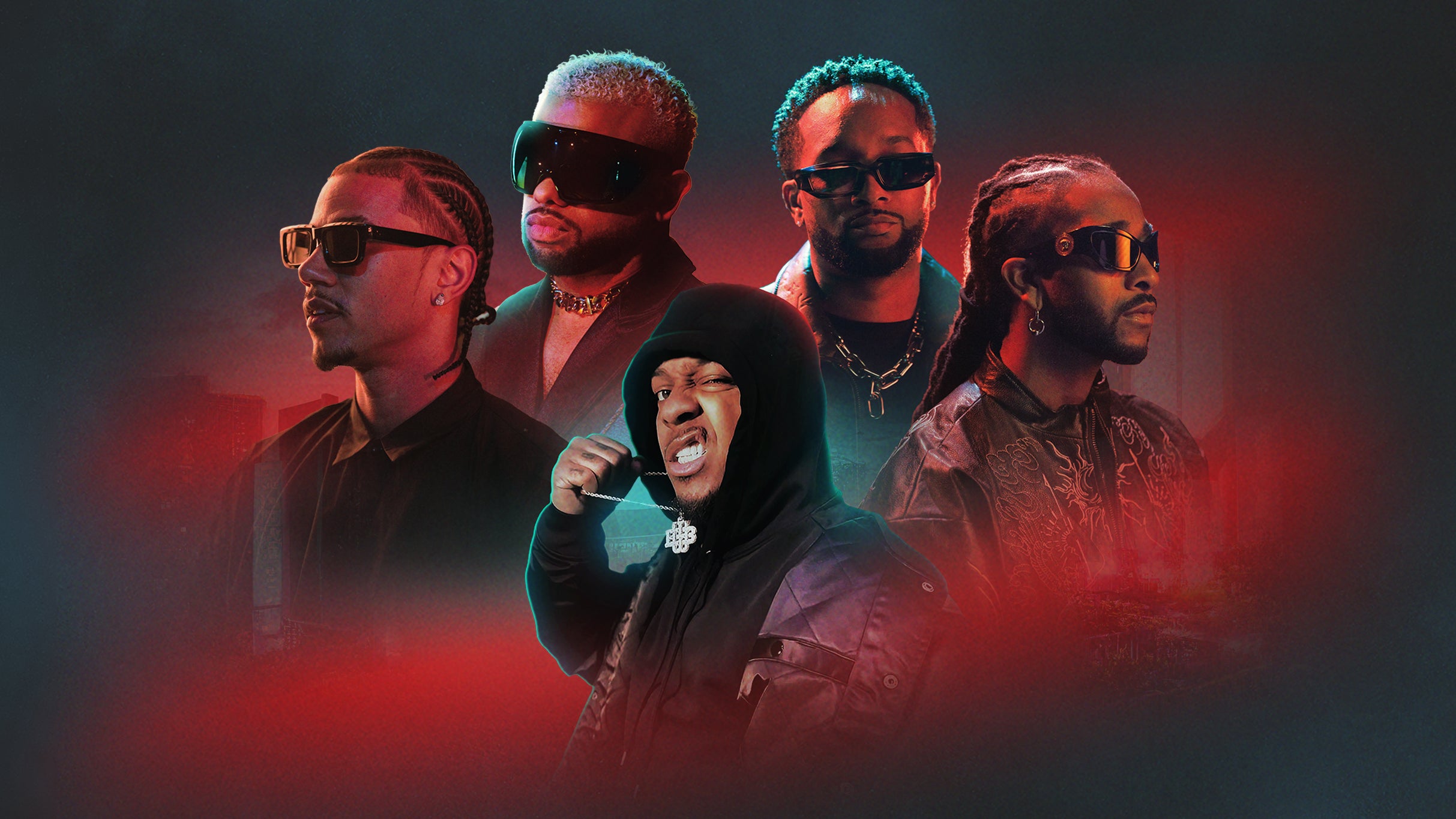
Mar. 29, 2026
Boys 4 Life Tour
Mar. 30, 2026
Baltimore Orioles vs. Texas Rangers