- Today
- Holidays
- Birthdays
- Reminders
- Cities
- Atlanta
- Austin
- Baltimore
- Berwyn
- Beverly Hills
- Birmingham
- Boston
- Brooklyn
- Buffalo
- Charlotte
- Chicago
- Cincinnati
- Cleveland
- Columbus
- Dallas
- Denver
- Detroit
- Fort Worth
- Houston
- Indianapolis
- Knoxville
- Las Vegas
- Los Angeles
- Louisville
- Madison
- Memphis
- Miami
- Milwaukee
- Minneapolis
- Nashville
- New Orleans
- New York
- Omaha
- Orlando
- Philadelphia
- Phoenix
- Pittsburgh
- Portland
- Raleigh
- Richmond
- Rutherford
- Sacramento
- Salt Lake City
- San Antonio
- San Diego
- San Francisco
- San Jose
- Seattle
- Tampa
- Tucson
- Washington
Maryland Court Blocks Climate Lawsuit Against Fossil Fuel Companies
Advocates call on U.S. Supreme Court to clarify federal climate laws and regulations.
Mar. 29, 2026 at 8:32pm
Got story updates? Submit your updates here. ›
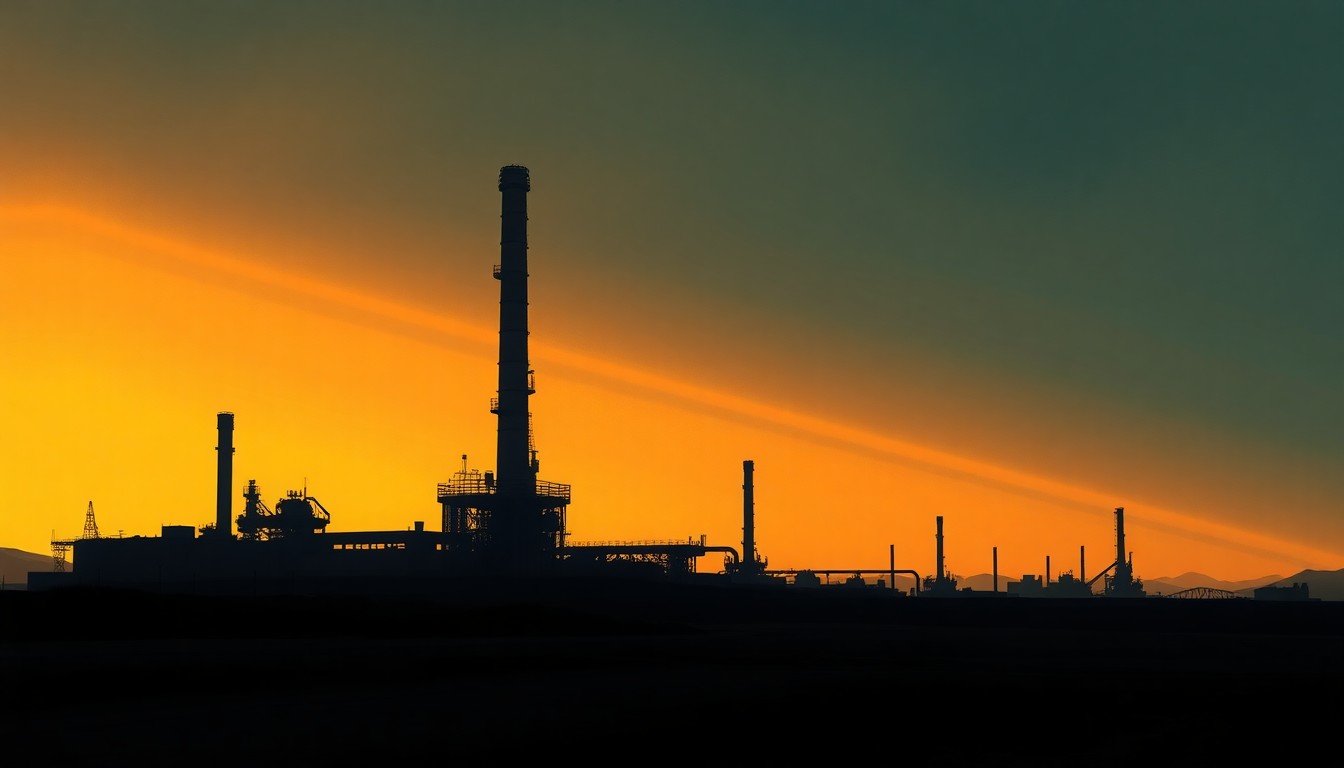 As legal battles over climate change accountability intensify, the Supreme Court is poised to provide critical guidance on the appropriate role of the courts.Annapolis Today
The Maryland Supreme Court has blocked a lawsuit from Baltimore, Annapolis, and Anne Arundel County that sought damages from fossil fuel companies for their alleged contributions to global climate change. The court ruled that the local governments were attempting to use state law to regulate global conduct, which is beyond their authority. Advocates are now calling on the U.S. Supreme Court to take up a similar case from Colorado to provide clarity on the legal framework for addressing climate change issues.
Why it matters
This ruling highlights the ongoing legal battles over who has the authority to regulate climate change-related issues, with local governments seeking to hold fossil fuel companies accountable through the courts, while industry advocates argue that such matters should be left to federal policymakers and agencies. The Supreme Court's upcoming decision on the Colorado case could have far-reaching implications for future climate-related lawsuits.
The details
In the Maryland case, the state's Supreme Court ruled that the local governments' lawsuit was an attempt to 'utilize state law to regulate global conduct that is purportedly causing global harm.' The court referenced an upcoming U.S. Supreme Court case from Colorado that will focus on a similar lawsuit filed by Boulder County against fossil fuel companies. Industry advocates praised the Maryland court's decision, arguing that climate change issues should be addressed through federal legislation and regulation, not state-level lawsuits. However, a dissenting justice in the Maryland case said the court made a premature judgment without fully considering the facts.
- On Tuesday, the Maryland Supreme Court blocked the lawsuit from Baltimore, Annapolis, and Anne Arundel County.
- The U.S. Supreme Court is expected to hear arguments on the Colorado case in the fall of 2026 and issue a decision in 2027.
The players
Maryland Supreme Court
The state's highest court that ruled against the climate lawsuit brought by local governments.
Phil Goldberg
Special counsel for the Manufactures' Accountability Project, who praised the Maryland court's decision and urged the U.S. Supreme Court to uphold Congress' responsibility to regulate emissions and climate change issues.
Justice Peter Killough
The dissenting justice in the Maryland case who said the court made a premature judgment without fully considering the facts.
Boulder County, Colorado
The local government that filed a lawsuit against fossil fuel companies using nuisance law claims, arguing the companies were liable for contributing to emissions that caused climate change.
What they’re saying
“'No amount of creative pleading can masquerade the fact that the local governments are attempting to utilize state law to regulate global conduct that is purportedly causing global harm.'”
— Justice Brynja Booth, Maryland Supreme Court
“'It certainly adds fuel to the need for the court to get to the substantive issues in the Boulder case.'”
— Phil Goldberg, Special counsel, Manufactures' Accountability Project
“'The Majority's conclusion that these cases are tantamount to emissions regulation is not a finding – it is a prediction about what discovery would show, dressed up as a legal conclusion and deployed to close the courthouse door before discovery could confirm or refute it.'”
— Justice Peter Killough, Maryland Supreme Court
What’s next
The U.S. Supreme Court will hear arguments in the fall of 2026 over the Boulder, Colorado climate lawsuit case and will likely issue a decision in 2027.
The takeaway
This case highlights the ongoing legal battles over the appropriate framework for addressing climate change, with local governments seeking to hold fossil fuel companies accountable through the courts, while industry advocates argue that such matters should be left to federal policymakers and agencies. The Supreme Court's upcoming decision on the Colorado case could have significant implications for future climate-related lawsuits.