- Today
- Holidays
- Birthdays
- Reminders
- Cities
- Atlanta
- Austin
- Baltimore
- Berwyn
- Beverly Hills
- Birmingham
- Boston
- Brooklyn
- Buffalo
- Charlotte
- Chicago
- Cincinnati
- Cleveland
- Columbus
- Dallas
- Denver
- Detroit
- Fort Worth
- Houston
- Indianapolis
- Knoxville
- Las Vegas
- Los Angeles
- Louisville
- Madison
- Memphis
- Miami
- Milwaukee
- Minneapolis
- Nashville
- New Orleans
- New York
- Omaha
- Orlando
- Philadelphia
- Phoenix
- Pittsburgh
- Portland
- Raleigh
- Richmond
- Rutherford
- Sacramento
- Salt Lake City
- San Antonio
- San Diego
- San Francisco
- San Jose
- Seattle
- Tampa
- Tucson
- Washington
Lawrence Today
By the People, for the People
Public Health Officials Concerned Over Rising HIV Cases in Lowell and Lawrence
State epidemiologists request expanded HIV prevention outreach in the region amid growing infection rates.
Apr. 3, 2026 at 10:59am
Got story updates? Submit your updates here. ›
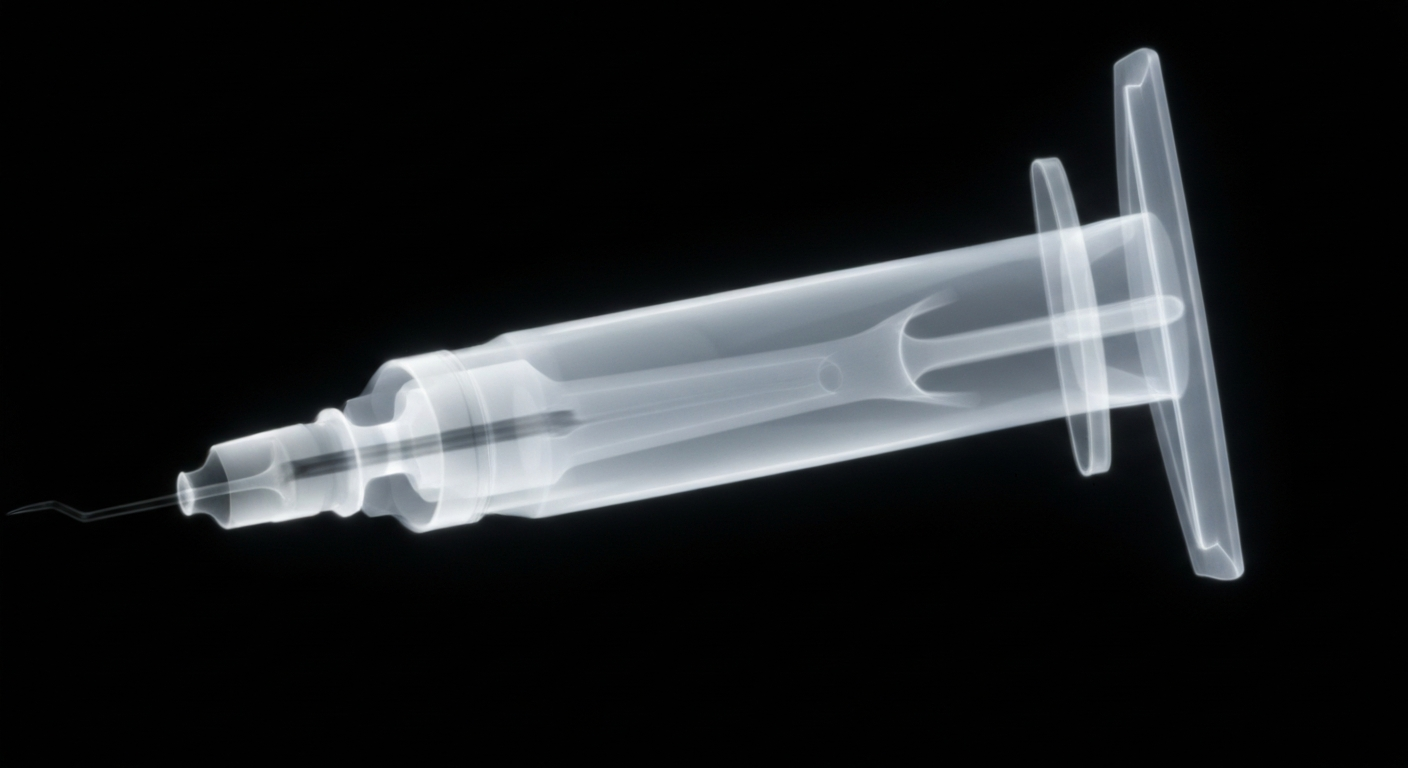 A haunting X-ray image of a discarded needle highlights the public health crisis fueled by the sharing of contaminated drug paraphernalia.Lawrence Today
The Massachusetts Department of Public Health has informed Lowell's Board of Health that the number of HIV cases in the region is rising, and has requested the opportunity to conduct intensive HIV-prevention engagement with people who inject drugs in Lowell and the surrounding communities. This comes nearly a decade after a previous outbreak of HIV cases in the area due to needle sharing among drug users.
Why it matters
The rise in HIV cases in Lowell and Lawrence is concerning, as uncontrolled HIV transmission can lead to the spread of AIDS, a potentially fatal disease. The state is seeking to better understand the population of people who inject drugs in the region, including those who are unhoused, in order to target HIV prevention efforts and reduce the risk of further outbreaks.
The details
The National HIV Behavioral Surveillance (NHBS) program, a CDC-funded initiative, will be conducting fieldwork in Lowell and Lawrence from July to November to reach a sample size of 300 participants. The study will focus on needle exchange sites to identify high-risk individuals, who will then be given coupons to invite friends who also inject drugs to participate. Participants will be compensated for their time and offered rapid HIV testing, with positive results leading to confirmatory testing and referrals to care and treatment.
- The NHBS fieldwork will run from July to November 2026.
- Lowell established a syringe service program in 2016 to address a previous HIV outbreak in 2018.
The players
Massachusetts Department of Public Health
The state agency responsible for public health oversight and initiatives, including responding to the rise in HIV cases in Lowell and Lawrence.
Lowell Board of Health
The local governing body that oversees public health matters in the city of Lowell, including the needle exchange program.
Dawn Fukuda
An assistant commissioner and director of the Bureau of Infectious Disease and Laboratory Sciences at the Massachusetts Department of Public Health.
Shauna Onofrey
A state DPH epidemiologist responsible for the National HIV Behavioral Surveillance program.
Jo-Ann Keegan
The chair of the Lowell Board of Health, who emphasized the importance of the city's needle exchange program in preventing HIV transmission.
What they’re saying
“With the recent increase in HIV cases [in] unhoused individuals in the Northeastern part of the state, and the decade that has passed since the outbreak among people who inject drugs in that area, we believe the [National HIV Behavioral Surveillance] program may be a useful tool to understand more about the population of people who inject drugs in that area, including those who are unhoused.”
— Dawn Fukuda, Assistant Commissioner and Director of the Bureau of Infectious Disease and Laboratory Sciences, Massachusetts Department of Public Health
“We're talking to the people who might be engaging in behaviors that might put them at higher risk, such as unhoused people or people who inject drugs or the overlap.”
— Shauna Onofrey, State DPH Epidemiologist
“When I hear about HIV numbers increasing, I just want to say for the listening folks that if you have a clean needle-exchange program, you don't see those numbers going up too high or you have a limit on the number of HIV transmission because people have access to clean needles.”
— Jo-Ann Keegan, Chair, Lowell Board of Health
What’s next
The NHBS study fieldwork will run from July to November 2026, with the goal of reaching a sample size of 300 participants in Lowell and the surrounding Lawrence area.
The takeaway
This rise in HIV cases in Lowell and Lawrence highlights the ongoing need for comprehensive harm reduction strategies, including accessible needle exchange programs, to prevent the spread of infectious diseases among vulnerable populations like people who inject drugs and the unhoused. The state's expanded surveillance efforts aim to better understand these high-risk communities and target prevention efforts accordingly.