- Today
- Holidays
- Birthdays
- Reminders
- Cities
- Atlanta
- Austin
- Baltimore
- Berwyn
- Beverly Hills
- Birmingham
- Boston
- Brooklyn
- Buffalo
- Charlotte
- Chicago
- Cincinnati
- Cleveland
- Columbus
- Dallas
- Denver
- Detroit
- Fort Worth
- Houston
- Indianapolis
- Knoxville
- Las Vegas
- Los Angeles
- Louisville
- Madison
- Memphis
- Miami
- Milwaukee
- Minneapolis
- Nashville
- New Orleans
- New York
- Omaha
- Orlando
- Philadelphia
- Phoenix
- Pittsburgh
- Portland
- Raleigh
- Richmond
- Rutherford
- Sacramento
- Salt Lake City
- San Antonio
- San Diego
- San Francisco
- San Jose
- Seattle
- Tampa
- Tucson
- Washington
Kokedama: Bringing Japanese Gardening Magic to London Homes
This ancient moss-ball technique transforms indoor spaces with nature's enchantment.
Apr. 12, 2026 at 5:07am
Got story updates? Submit your updates here. ›
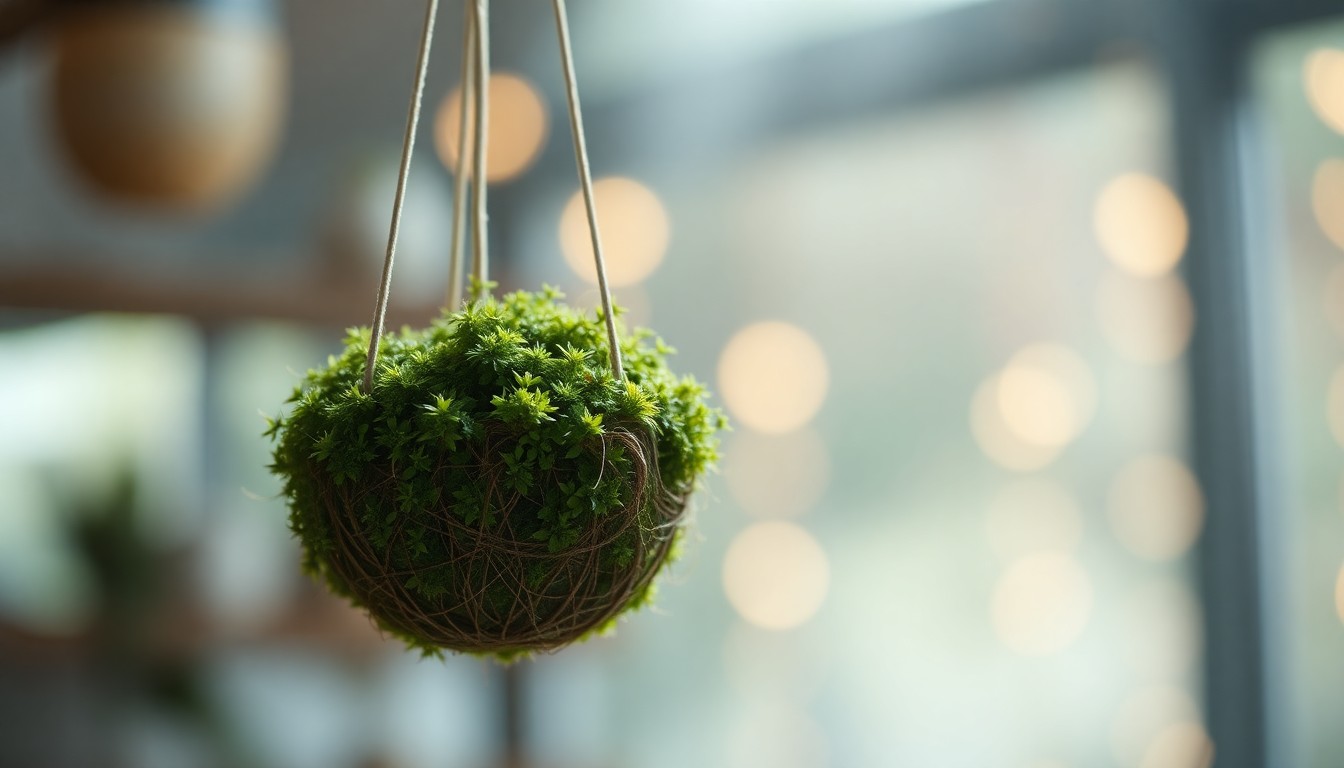 Kokedama, the ancient Japanese art of moss-wrapped plant displays, brings a touch of natural magic to urban living spaces.Chelsea Today
Kokedama, a centuries-old Japanese gardening art form, has gained popularity in recent years as a unique way to display plants and bring nature indoors. The author, a London resident, discovered the beauty of kokedama during a visit to Japan and has since incorporated the technique into her own home, finding it to be a simple yet captivating way to connect with the natural world, especially during the bleak winter months.
Why it matters
As urban living becomes more prevalent, kokedama offers a way for city dwellers to incorporate natural elements into their homes and connect with the outdoors, even in small spaces. The technique's sustainable approach, using moss and peat-free soil, also appeals to environmentally conscious consumers looking for unique and eco-friendly gardening options.
The details
Kokedama, or 'moss ball', originated as a byproduct of the bonsai tradition in Japan. The author first encountered the technique while living in Japan, where she saw kokedama hanging in abandoned villages, showcasing the beauty of ferns. Today, kokedama has evolved, offering a contemporary take on indoor gardening. The author recently spotted a charming kokedama display in a London cafe, featuring limonium and dried sanguisorba, a sustainable alternative to florist foam. Creating a kokedama involves mixing peat-free soil with bonsai compost or sharp sand, forming a mud-like ball around a plant's rootball, wrapping it in moss, and securing it with twine.
- The author has lived in London for over a decade.
- The author recently visited Peckham with her newborn, sparking her interest in kokedama.
- The author first encountered kokedama in Japan, where she saw the technique used in abandoned villages.
The players
The Author
A London resident who has lived in the city for over a decade and recently discovered the art of kokedama during a visit to Japan.
What they’re saying
“Kokedama is not just about the final product, it's a journey of discovery and connection with nature. It's a chance to bring a touch of magic into your home, and a reminder that even in the bleakest of times, nature's beauty is always there, waiting to be discovered.”
— The Author
What’s next
The author encourages readers to try creating their own kokedama, noting that it's a fun, creative project that requires patience and practice. She also suggests that readers share their kokedama creations and discuss their thoughts on the technique as a way to connect with nature.
The takeaway
Kokedama offers urban dwellers a unique and sustainable way to bring the beauty of nature into their homes, fostering a deeper connection with the natural world. As a simple yet captivating gardening technique, kokedama can help transform indoor spaces and provide a sense of enchantment, even during the bleakest of seasons.