- Today
- Holidays
- Birthdays
- Reminders
- Cities
- Atlanta
- Austin
- Baltimore
- Berwyn
- Beverly Hills
- Birmingham
- Boston
- Brooklyn
- Buffalo
- Charlotte
- Chicago
- Cincinnati
- Cleveland
- Columbus
- Dallas
- Denver
- Detroit
- Fort Worth
- Houston
- Indianapolis
- Knoxville
- Las Vegas
- Los Angeles
- Louisville
- Madison
- Memphis
- Miami
- Milwaukee
- Minneapolis
- Nashville
- New Orleans
- New York
- Omaha
- Orlando
- Philadelphia
- Phoenix
- Pittsburgh
- Portland
- Raleigh
- Richmond
- Rutherford
- Sacramento
- Salt Lake City
- San Antonio
- San Diego
- San Francisco
- San Jose
- Seattle
- Tampa
- Tucson
- Washington
4MOST Telescope Achieves First Light, Unlocking Cosmic Secrets
Cutting-edge instrument in Chile set to revolutionize astrophysical studies with unprecedented spectroscopic power
Apr. 13, 2026 at 6:54am
Got story updates? Submit your updates here. ›
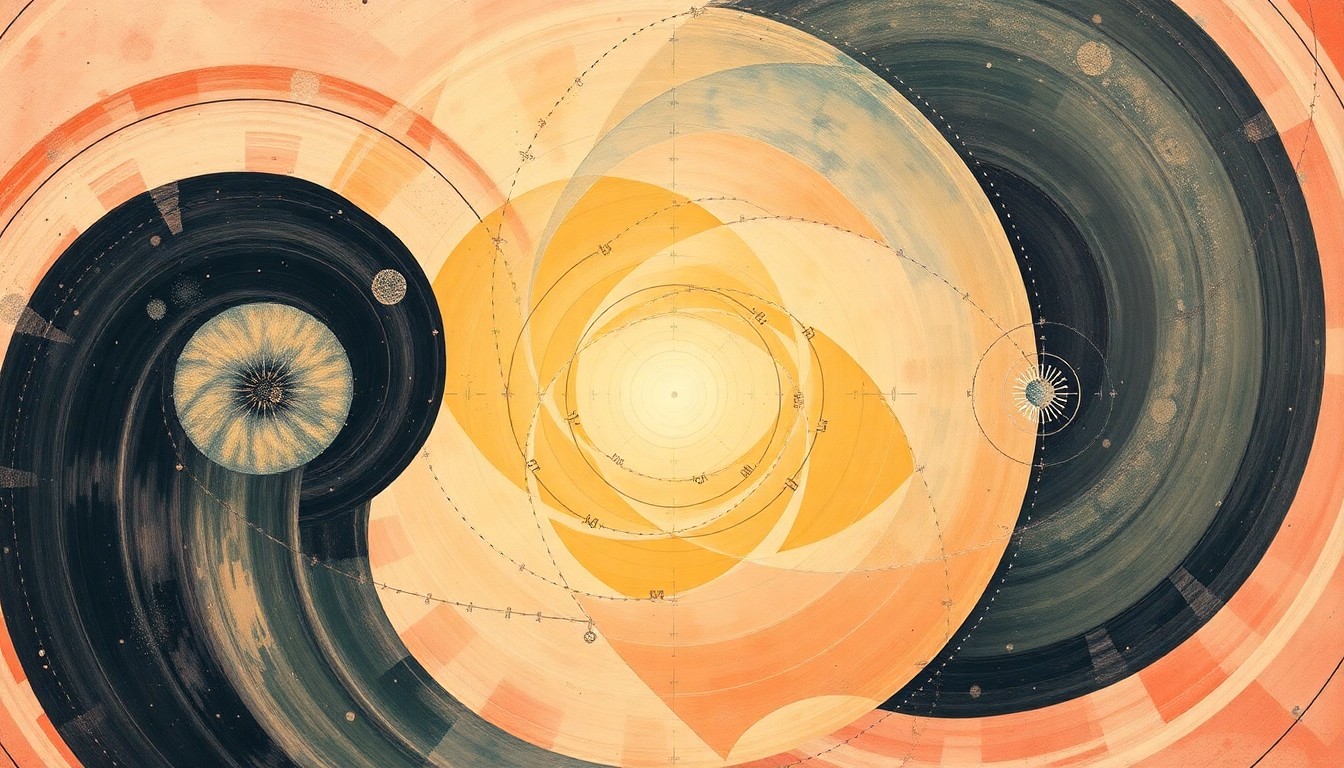 The 4MOST telescope's unprecedented spectroscopic power will unlock new insights into the structure and evolution of the cosmos.Cambridge Today
The 4-meter Multi-Object Spectroscopic Telescope (4MOST) has achieved 'first light' at the European Southern Observatory's VISTA telescope in Chile, marking the start of its quest to explore the cosmos in unprecedented detail. With 2,436 ultra-thin optical fibers, 4MOST can simultaneously examine thousands of stars and galaxies, breaking down their light into 18,000 distinct shades of color to uncover details about their temperature, movement, and chemical composition.
Why it matters
4MOST's maiden observations have already provided a glimpse into its potential to shed light on big-picture questions about the origins of our Milky Way galaxy, the growth of other galaxies, and the role of dark matter and dark energy in shaping the universe. Over its expected 15-year lifespan, the telescope is poised to execute one of history's most extensive spectroscopic surveys, potentially overturning existing astrophysical knowledge.
The details
Powered by 2,436 ultra-thin optical fibers, each finer than a strand of human hair, 4MOST can examine thousands of stars and galaxies simultaneously, breaking down their light into an astonishing 18,000 distinct shades of color. Its initial observations focused on the Sculptor galaxy and Globular Cluster NGC 288, showcasing its ability to capture a diverse array of cosmic entities in one go. The telescope is backed by a worldwide coalition of over 700 scientists tackling 25 major research initiatives, with data processing and management handled by experts at the University of Cambridge.
- On October 18, 2025, 4MOST achieved 'first light', officially beginning its cosmic exploration.
- Over its envisioned 15-year lifespan, 4MOST is expected to overhaul astrophysical studies.
The players
Dr. Roelof de Jong
The Principal Investigator for 4MOST at the Leibniz Institute for Astrophysics Potsdam (AIP), which spearheads this global endeavor.
Professor Matthias Steinmetz
The Scientific Director at AIP.
Dr. Nicholas Walton
The lead of 4MOST Data Management at the University of Cambridge.
Dr. Lisa Kelsey
A member of the 4MOST team and part of the Time Domain Extragalactic Survey (TiDES) project at the University of Cambridge's Institute of Astronomy.
European Southern Observatory
The organization handling operations of the 4MOST telescope from its Chilean outpost.
What they’re saying
“This represents an incredible achievement, brought to life by an extraordinary team of innovators. Even the initial data are spectacular. It's almost unbelievable to capture light that has journeyed billions of years across space through a fiber as slender as a hair.”
— Dr. Roelof de Jong, Principal Investigator for 4MOST, Leibniz Institute for Astrophysics Potsdam
“With this first light, we're embarking on a fresh era of sky surveys. 4MOST is poised to tackle core mysteries surrounding the Milky Way's origins, the lifecycle of galaxies, and the fundamental forces sculpting the cosmos.”
— Professor Matthias Steinmetz, Scientific Director, Leibniz Institute for Astrophysics Potsdam
“The 4MOST setup, boasting its massive array of optical fibers, demanded the creation of an extremely advanced, high-capacity data processing system right here in Cambridge. Our sophisticated pipeline ensures top-tier scientific data, fueling the groundbreaking discoveries 4MOST is set to deliver.”
— Dr. Nicholas Walton, Lead of 4MOST Data Management, University of Cambridge
“It's an exhilarating era for astronomy, with 4MOST and upcoming telescopes launching into action. After years of hard work and collaboration, we're eager to dive into groundbreaking research.”
— Dr. Lisa Kelsey, Member of 4MOST team, University of Cambridge
What’s next
Over its envisioned 15-year lifespan, 4MOST is expected to execute one of history's most extensive spectroscopic surveys, potentially overturning existing astrophysical knowledge.
The takeaway
The 4MOST telescope's unprecedented spectroscopic capabilities have the potential to revolutionize our understanding of the cosmos, from the origins of our Milky Way galaxy to the fundamental forces shaping the universe. While some may question the value of such astronomical investments, the insights gained could unite humanity in a shared sense of wonder and drive further scientific breakthroughs.
Cambridge top stories

Cambridge events

Apr. 13, 2026
Wallice w/ Fake Dad
Apr. 14, 2026
Fantastic Cat, Jillette Johnson
Apr. 14, 2026
BOSS ROOTS