- Today
- Holidays
- Birthdays
- Reminders
- Cities
- Atlanta
- Austin
- Baltimore
- Berwyn
- Beverly Hills
- Birmingham
- Boston
- Brooklyn
- Buffalo
- Charlotte
- Chicago
- Cincinnati
- Cleveland
- Columbus
- Dallas
- Denver
- Detroit
- Fort Worth
- Houston
- Indianapolis
- Knoxville
- Las Vegas
- Los Angeles
- Louisville
- Madison
- Memphis
- Miami
- Milwaukee
- Minneapolis
- Nashville
- New Orleans
- New York
- Omaha
- Orlando
- Philadelphia
- Phoenix
- Pittsburgh
- Portland
- Raleigh
- Richmond
- Rutherford
- Sacramento
- Salt Lake City
- San Antonio
- San Diego
- San Francisco
- San Jose
- Seattle
- Tampa
- Tucson
- Washington
Harvard Leaders Salute National Security Fellows
Garber, Allison, O'Sullivan highlight strong ties between University and military, thank cohort for impact on campus life and students.
Apr. 10, 2026 at 8:09pm
Got story updates? Submit your updates here. ›
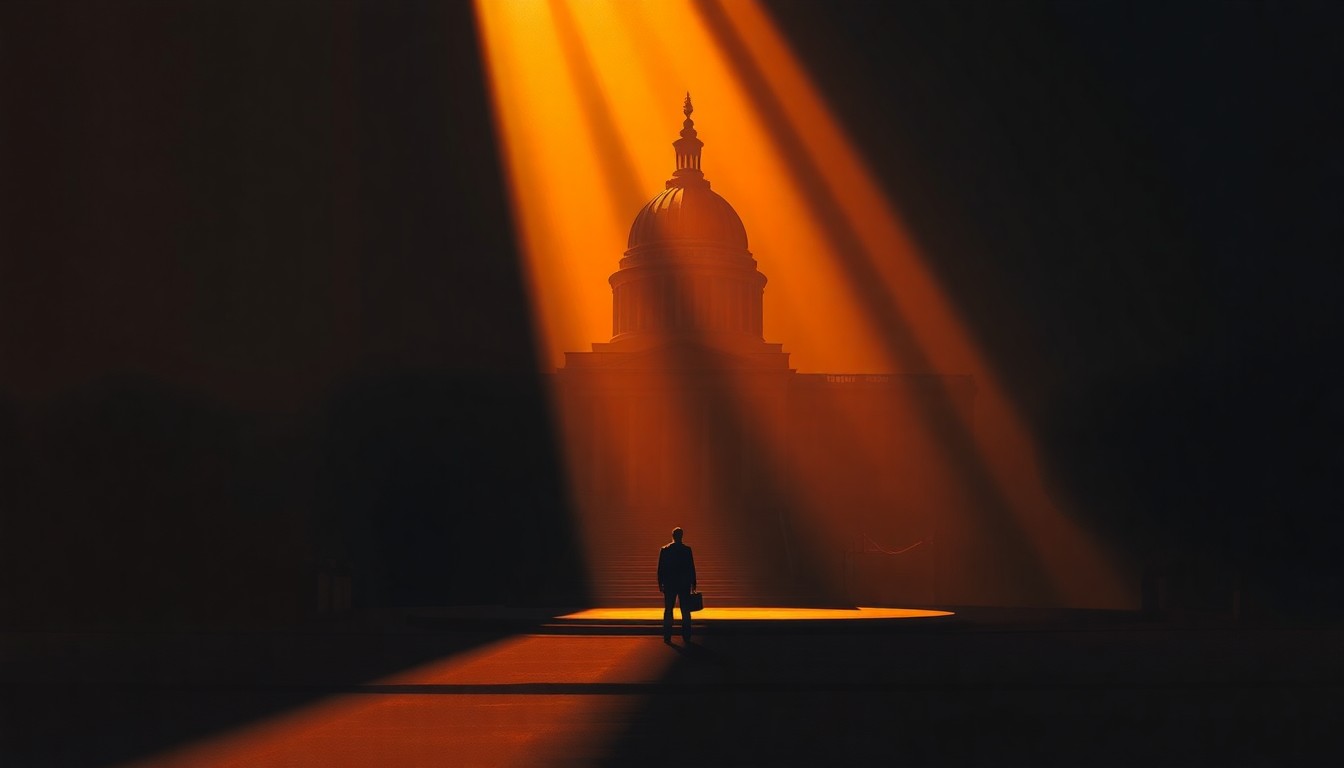 Harvard's long-standing ties to the U.S. military are celebrated as the university pauses a program that has brought active-duty officers to campus for decades.Cambridge Today
Harvard University's president, Alan Garber, along with leaders from the Kennedy School and Belfer Center, hosted a reception for this year's National Security Fellows - a group of active-duty military officers who spent the academic year taking classes, leading seminars, and participating in working groups on national security topics. The speakers emphasized the longstanding connection between Harvard and the U.S. military, rooted in shared values of service and public duty.
Why it matters
The National Security Fellows program is one of Harvard's earliest executive education initiatives, bringing experienced military officers to campus to share their real-world expertise and perspectives with students and faculty. This exchange is seen as invaluable, as it helps bridge the gap between theory and practice in national security studies.
The details
The 12 National Security Fellows this year held the ranks of lieutenant colonel, commander, and colonel. They spent the academic year immersed in Harvard's academic environment, taking classes, leading seminars, and participating in working groups on topics ranging from diplomacy to atomic power and weapons. Harvard's president, Alan Garber, praised the fellows' contributions to campus life and student learning, noting that their presence helps expose many international students to the U.S. military for the first time.
- The National Security Fellowships were founded 42 years ago in 1984.
- The reception on Tuesday, April 10, 2026 marked the approaching end of the program for the current fellows.
The players
Alan Garber
President of Harvard University, who practiced for 25 years in a VA hospital and spoke about the remarkable stories and character of the veterans he treated.
Graham Allison
Douglas Dillon Professor of Government and former Kennedy School dean, who co-founded the National Security Fellowships program 42 years ago.
Meghan O'Sullivan
Director of the Belfer Center for Science and International Affairs, which hosts the National Security Fellows program, and who served as deputy national security adviser during the George W. Bush administration.
Eric Rosenbach
Director of the National Security Fellows fellowship and a senior lecturer of public policy at the Kennedy School.
What they’re saying
“We are very, very deeply connected with the military. Harvard students and alumni have served going back to King Philip's War, in 1675, before there was a United States. It's not only a reflection of the age of Harvard — it's a reflection of common values. There's so much we stand for in common, and a lot of it has to do with service and service to the country, which can take many different forms.”
— Alan Garber, President, Harvard University
“This program is a crown jewel in so many ways, bringing people of accomplishment and experience into our environment, where we hope you learn from us and we certainly learn from you.”
— Alan Garber, President, Harvard University
“We are a place where we value the bridge between practice and ideas and scholarship, and you personify that. We talk a lot about national security, strategy, and grand strategy, and you've actually lived it. You've made decisions under pressure. When you step into our classrooms or our common rooms, you are bringing a commodity that is highly prized.”
— Meghan O'Sullivan, Director, Belfer Center for Science and International Affairs
“More than half of our students are from other countries and they never imagined they would meet somebody in the U.S. military, they never imagined they would become friends with someone in the U.S. military. Suddenly, they're in a position where, when they hear about the U.S. military, they're going to think of your faces, personifying one of our greatest institutions in a way that is absolutely priceless — for them and for our country.”
— Meghan O'Sullivan, Director, Belfer Center for Science and International Affairs
What’s next
The government announced in February that it would end professional military education, fellowship, and certificate programs with Harvard and other Ivy League schools. Speakers described this as a hiatus rather than the program's termination, and encouraged current fellows to stay in touch with the faculty and network of over 800 past National Security Fellows.
The takeaway
The National Security Fellows program exemplifies the longstanding and mutually beneficial relationship between Harvard University and the U.S. military, rooted in shared values of service and public duty. The exchange of ideas and perspectives between military officers and Harvard's academic community is seen as invaluable, helping to bridge the gap between theory and practice in national security studies.
Cambridge top stories



Cambridge events

Apr. 11, 2026
Whitney
Apr. 11, 2026
Dark Spring Boston Festival