- Today
- Holidays
- Birthdays
- Reminders
- Cities
- Atlanta
- Austin
- Baltimore
- Berwyn
- Beverly Hills
- Birmingham
- Boston
- Brooklyn
- Buffalo
- Charlotte
- Chicago
- Cincinnati
- Cleveland
- Columbus
- Dallas
- Denver
- Detroit
- Fort Worth
- Houston
- Indianapolis
- Knoxville
- Las Vegas
- Los Angeles
- Louisville
- Madison
- Memphis
- Miami
- Milwaukee
- Minneapolis
- Nashville
- New Orleans
- New York
- Omaha
- Orlando
- Philadelphia
- Phoenix
- Pittsburgh
- Portland
- Raleigh
- Richmond
- Rutherford
- Sacramento
- Salt Lake City
- San Antonio
- San Diego
- San Francisco
- San Jose
- Seattle
- Tampa
- Tucson
- Washington
AI Accelerates Treatments for Incurable Diseases
Breakthroughs in antibiotics, Parkinson's, and rare lung conditions
Apr. 3, 2026 at 8:20pm
Got story updates? Submit your updates here. ›
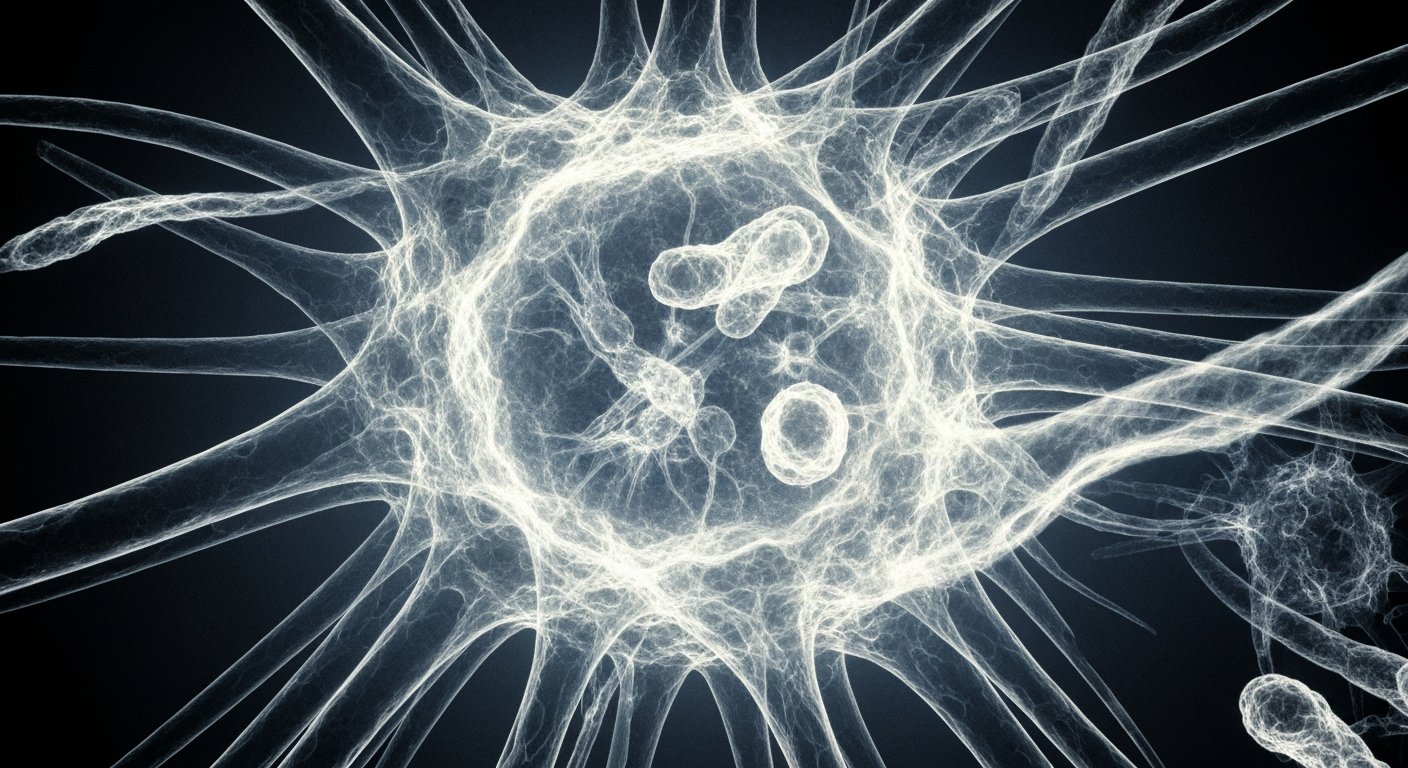 Cutting-edge AI is accelerating the discovery of new drugs to combat the growing threat of antibiotic-resistant superbugs.Cambridge Today
Artificial intelligence is enabling scientists to rapidly identify new drug compounds and therapeutic strategies to treat medical conditions previously considered incurable, including antibiotic-resistant infections, Parkinson's disease, and rare lung disorders. These AI-powered advancements are transforming the drug discovery process and unlocking treatments for diseases that have long resisted traditional research methods.
Why it matters
The development of new antibiotics has stagnated for decades, leading to a growing crisis of antimicrobial resistance that claims over 1 million lives per year globally. AI is accelerating the discovery of much-needed new antibiotics and enabling more effective treatments for other intractable diseases like Parkinson's and rare lung conditions that have lacked sufficient research funding and pharmaceutical interest.
The details
Researchers are using AI to rapidly scan massive libraries of chemical compounds to identify those with antibacterial properties, leading to the discovery of two new potential treatments for MRSA and gonorrhea. Beyond antibiotics, AI is being applied to develop new drugs for Parkinson's disease and rare lung conditions, as well as strategies to repurpose existing medications for diseases like Multiple Myeloma. A new AI tool from Harvard is also shifting the paradigm of cellular therapy by identifying multiple drivers of disease within cells and predicting drug combinations to restore them to healthy function.
- In the past 5 years (2017-2022), only 12 new antibiotics received approval for use.
- Current data indicates that 1.1 million people die every year from antibiotic-resistant infections, a number projected to exceed 8 million by 2050 without urgent intervention.
The players
James Collins
A professor of medical engineering and science at the Massachusetts Institute of Technology (MIT) who is leading research using AI to accelerate antibiotic discovery.
Harvard University
Developed a new AI tool designed to identify multiple drivers of disease within cells and predict combinations of drugs that can restore those cells to healthy function.
What they’re saying
“AI allows researchers to scan massive libraries of chemical compounds in a matter of hours or days to find those with antibacterial activity.”
— James Collins, Professor of Medical Engineering and Science, MIT
What’s next
Researchers will continue to leverage AI to rapidly identify new antibiotic compounds and explore additional applications of the technology to treat a wide range of previously intractable diseases.
The takeaway
The ability of AI to analyze vast amounts of data and rapidly identify promising drug candidates is transforming the drug discovery process and unlocking treatments for diseases that have long resisted traditional medical research. These advancements hold immense promise in addressing critical public health challenges, from the growing threat of antimicrobial resistance to providing new hope for patients suffering from incurable conditions.
Cambridge top stories



Cambridge events

Apr. 4, 2026
David Rivera Y La Bambula
Apr. 4, 2026
Whenzdaze, Muzzle, Florence, La Manik
Apr. 4, 2026
Dirty Three (18 and Over)