- Today
- Holidays
- Birthdays
- Reminders
- Cities
- Atlanta
- Austin
- Baltimore
- Berwyn
- Beverly Hills
- Birmingham
- Boston
- Brooklyn
- Buffalo
- Charlotte
- Chicago
- Cincinnati
- Cleveland
- Columbus
- Dallas
- Denver
- Detroit
- Fort Worth
- Houston
- Indianapolis
- Knoxville
- Las Vegas
- Los Angeles
- Louisville
- Madison
- Memphis
- Miami
- Milwaukee
- Minneapolis
- Nashville
- New Orleans
- New York
- Omaha
- Orlando
- Philadelphia
- Phoenix
- Pittsburgh
- Portland
- Raleigh
- Richmond
- Rutherford
- Sacramento
- Salt Lake City
- San Antonio
- San Diego
- San Francisco
- San Jose
- Seattle
- Tampa
- Tucson
- Washington
TV Insider's Guide Examines Narrative Trends Across Hit Shows
From suburban satire to crossover dramas, this week's hottest TV programs offer insights into power, belonging, and the civic role of storytelling.
Apr. 13, 2026 at 12:48am
Got story updates? Submit your updates here. ›
 Shattered spectacle: TV's narratives expose the fragile foundations of power and identity in contemporary society.Boston Today
This editorial-style article takes a deep dive into the narrative trends and social commentary woven through a range of popular TV shows, from dark suburban satires to crossover dramas between first responders. The author argues that modern television functions less as pure entertainment and more as a "sprawling social experiment," using fictional stories to explore real-world power dynamics, class divides, and the role of storytelling in shaping public perception.
Why it matters
As audiences consume an ever-expanding menu of television content, this analysis suggests that the most compelling shows are not just about plot twists, but about how storytelling can be used to interrogate issues of wealth, legitimacy, cooperation, and cultural identity. By unpacking the subtext and broader implications of these fictional narratives, the article positions TV as a laboratory for exploring civic questions that extend beyond the screen.
The details
The article examines a range of TV genres and formats, from a dark suburban satire that uses "material wealth and risk as performance art" to explore luxury as a "theater where people audition for legitimacy," to a crossover drama between firefighters and law enforcement that reveals the "uneasy alliances that form under stress" and the "latent capacity for cross-training and cross-ideology problem-solving." It also looks at a reality show spinoff that "turns a fake company into a real moral test" by forcing participants to choose between "selfish impulse or principled action." Across these diverse programs, the author finds a common thread: "contemporary TV uses narrative as a laboratory for civic questions."
- The article was published on April 13, 2026.
The players
Coop
A character in the dark suburban satire, depicted as a neighborhood cat burglar who uses material wealth and risk-taking as a form of performance art.
Owen Ashe
A character in the dark suburban satire, described as making a "Gatsby-like arrival in a flashy McLaren" as part of the show's exploration of luxury as a theater for social legitimacy.
Bode
A character in the firefighter/law enforcement crossover drama, forced to "improvise trust under pressure" when paired with a professional from a different cultural background.
Boone
A character in the firefighter/law enforcement crossover drama, forced to "improvise trust under pressure" when paired with a professional from a different cultural background.
Anthony
A character in the reality show spinoff, whose arc "demonstrates that character, not charisma, is the most convincing narrative currency."
What they’re saying
“Personally, I think the modern TV ecosystem operates more like a sprawling social experiment than a collection of entertainments.”
— The Author
“What this really suggests is a conditioning: in an era of paywalls and privilege, spectacle itself becomes the currency by which people measure worth.”
— The Author
“What this implies is that crises expose not only vulnerabilities but also the latent capacity for cross-training and cross-ideology problem-solving that our institutions rarely acknowledge in daylight.”
— The Author
“What many people don't realize is that the heart of this exercise is not deception but choice: when confronted with a scripted crisis, does a person lean into selfish impulse or principled action?”
— The Author
“Taken together, these programs signal a media ecosystem where storytelling sovereignty—the right to shape a story that persuades, unsettles, and guides public perception—is exercised with unprecedented elasticity.”
— The Author
The takeaway
The author concludes that contemporary TV uses narrative as a "laboratory for civic questions," training audiences to think more critically about who gets to narrate the future and why that matters. The most compelling takeaway from these shows may not be the plot twists, but the way they push viewers to reflect on their own complicity in the stories we tell about power, legitimacy, and belonging.
Boston top stories


Boston events

Apr. 13, 2026
Chris Grey: PARADISE LOST TOUR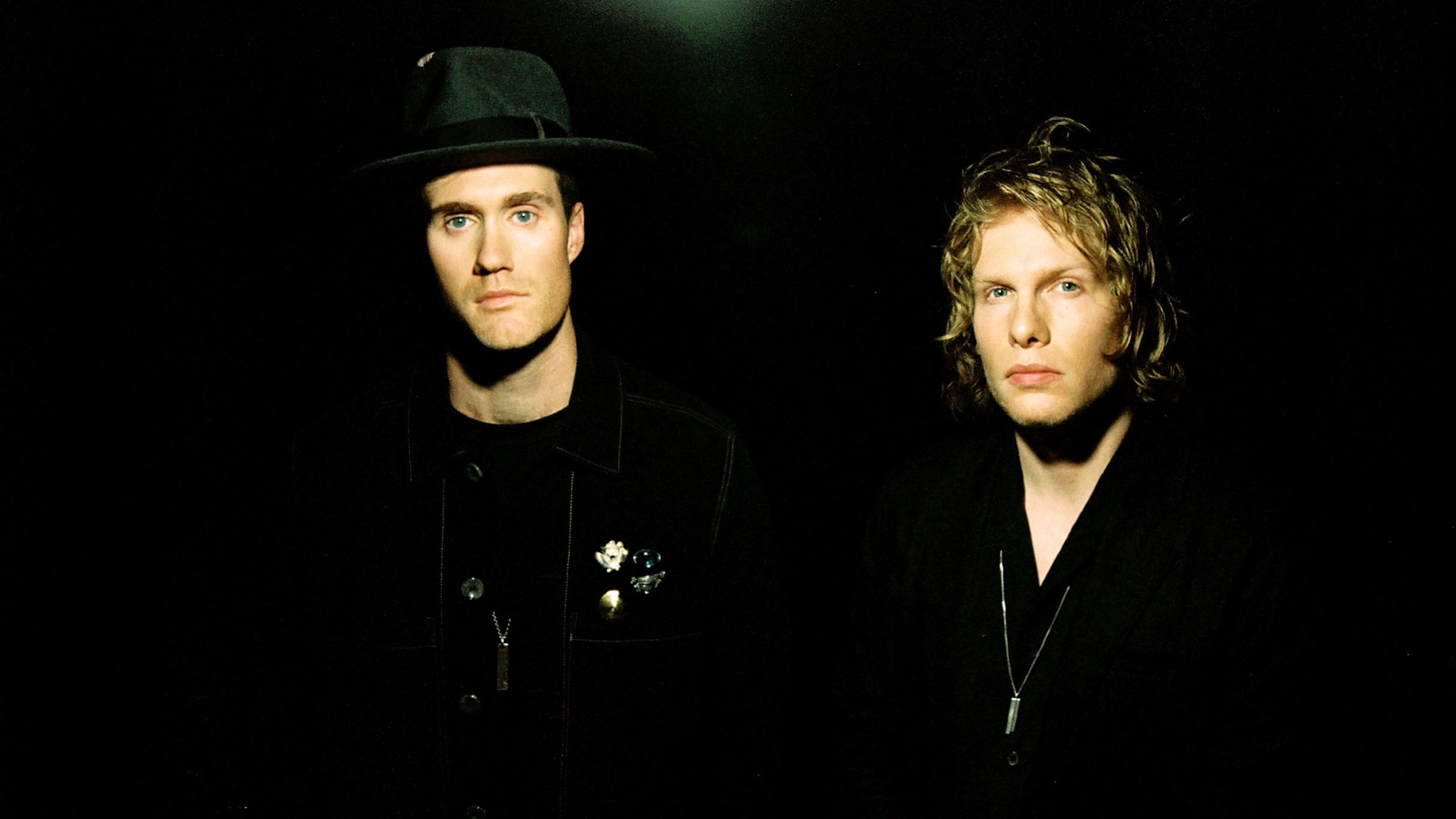
Apr. 13, 2026
Bob Moses w/ Cannons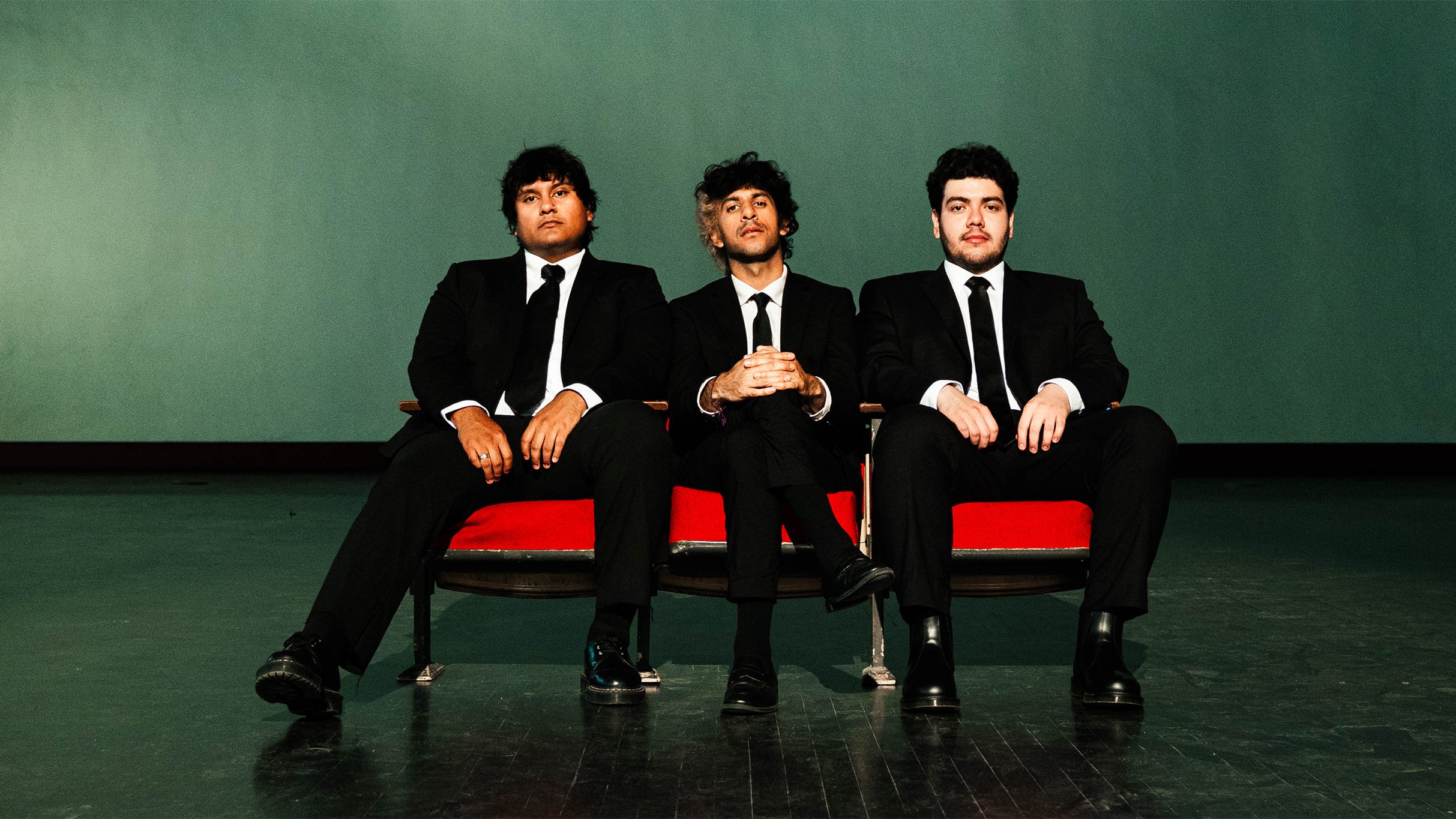
Apr. 14, 2026
The Red Pears & Together Pangea (18+)