- Today
- Holidays
- Birthdays
- Reminders
- Cities
- Atlanta
- Austin
- Baltimore
- Berwyn
- Beverly Hills
- Birmingham
- Boston
- Brooklyn
- Buffalo
- Charlotte
- Chicago
- Cincinnati
- Cleveland
- Columbus
- Dallas
- Denver
- Detroit
- Fort Worth
- Houston
- Indianapolis
- Knoxville
- Las Vegas
- Los Angeles
- Louisville
- Madison
- Memphis
- Miami
- Milwaukee
- Minneapolis
- Nashville
- New Orleans
- New York
- Omaha
- Orlando
- Philadelphia
- Phoenix
- Pittsburgh
- Portland
- Raleigh
- Richmond
- Rutherford
- Sacramento
- Salt Lake City
- San Antonio
- San Diego
- San Francisco
- San Jose
- Seattle
- Tampa
- Tucson
- Washington
Waymo Leads the Robotaxi Race with Impressive CES 2026 Showcase
Business Insider reporter Lloyd Lee shares his insights on the autonomous driving landscape after attending the tech conference
Apr. 12, 2026 at 11:05am
Got story updates? Submit your updates here. ›
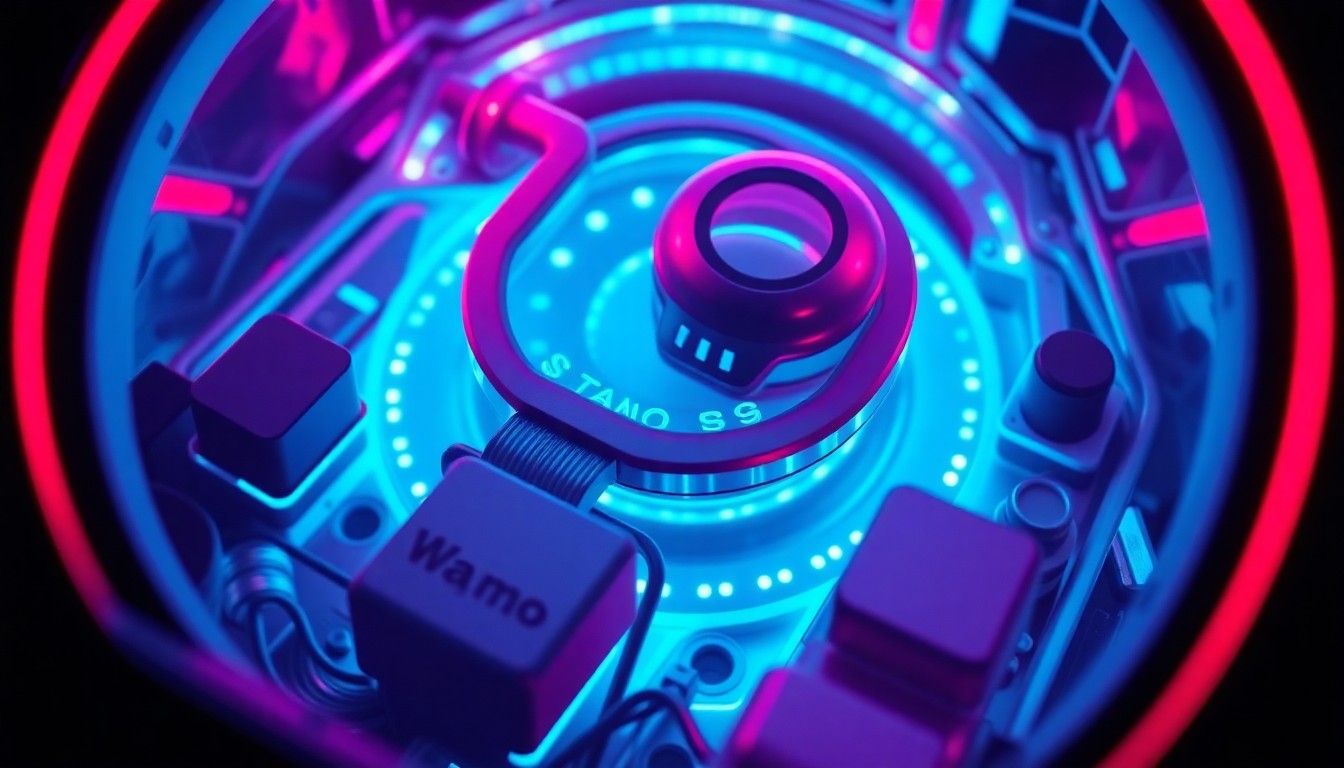 Waymo's advanced sensor suite and autonomous driving technology on display at CES 2026, showcasing the company's lead in the robotaxi race.Boston Today
After attending CES 2026, Business Insider's robotaxi reporter Lloyd Lee came away convinced that Waymo is significantly ahead of the competition in the autonomous vehicle race. Lee was particularly impressed by Hyundai's booth, which showcased the company's ambitious vision for autonomy, from EV charging stations and robotaxis to robotic arms and humanoid robots. However, Lee believes that building a reliable autonomous driving system is only part of the equation, as fleet scaling and management are critical for a seamless user experience - an area where Waymo has been heavily investing, even though the service is currently operating at a loss.
Why it matters
The robotaxi industry is a rapidly evolving space, with major players vying for dominance. Lee's insights from CES 2026 suggest that Waymo may be pulling ahead of the pack, which could have significant implications for the future of autonomous transportation and the broader mobility landscape.
The details
Lee, a seasoned observer of the robotaxi and emerging mobility scene, made his first trip to CES and was struck by the massive presence of automobility, echoing a sentiment shared by Paul Costa, a 25-year Apple veteran now at Ford: CES is becoming as much a car show as it is a tech show. At Hyundai's booth, Lee was particularly impressed by the company's showcase of its ambitious vision for autonomy, including EV charging stations, robotaxis, robotic arms, and the Boston Dynamics Atlas humanoid robot. However, Lee's experience test-driving several robotaxi services, including Amazon's Zoox, solidified his perspective that Waymo seems to be significantly ahead of the competition. He noted that the challenges in creating a profitable business model for robotaxis go beyond just building a reliable autonomous driving system, as fleet scaling and management are critical for a seamless user experience - an area where Waymo has been heavily investing, even though the service is currently operating at a loss.
- Lee made his first trip to CES 2026 to cover the robotaxi and emerging mobility scene.
- At the event, Lee chatted with BI News Chief Steve Russolillo about his insights from the ground.
The players
Lloyd Lee
A seasoned observer of the robotaxi and emerging mobility scene, and a reporter for Business Insider.
Steve Russolillo
The News Chief at Business Insider, who interviewed Lee about his CES 2026 experience.
Waymo
An American autonomous driving company and a subsidiary of Alphabet Inc., Google's parent company.
Hyundai Motor Group
A South Korean multinational automotive manufacturer that showcased its ambitious vision for autonomy at CES 2026.
Chris Ahn
A Deloitte principal specializing in software-defined vehicles, who shared insights on the future of autonomous driving technology.
What they’re saying
“CES is becoming as much a car show as it is a tech show.”
— Paul Costa, 25-year Apple veteran, now at Ford
“Automakers won't all pursue full autonomy in the same way as Tesla or Rivian. Instead, they'll need to understand their customers' needs and the level of autonomy required.”
— Chris Ahn, Deloitte principal specializing in software-defined vehicles
The takeaway
Lee's insights from CES 2026 suggest that Waymo may be significantly ahead of the competition in the autonomous vehicle race, highlighting the company's investments in building a reliable autonomous driving system as well as the critical components of fleet scaling and management. This could have significant implications for the future of the robotaxi industry and the broader mobility landscape.
Boston top stories


Boston events

Apr. 13, 2026
Chris Grey: PARADISE LOST TOUR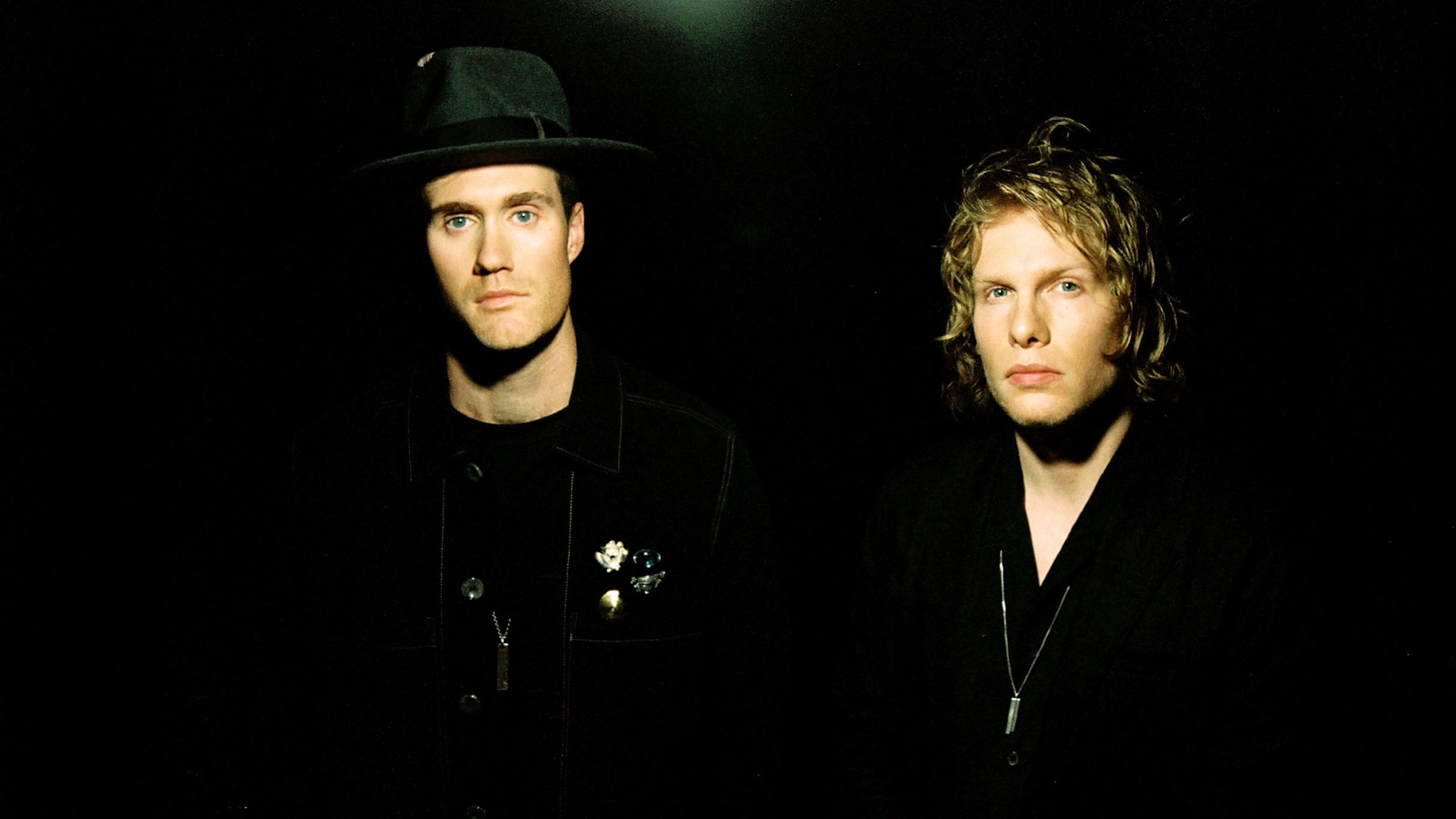
Apr. 13, 2026
Bob Moses w/ Cannons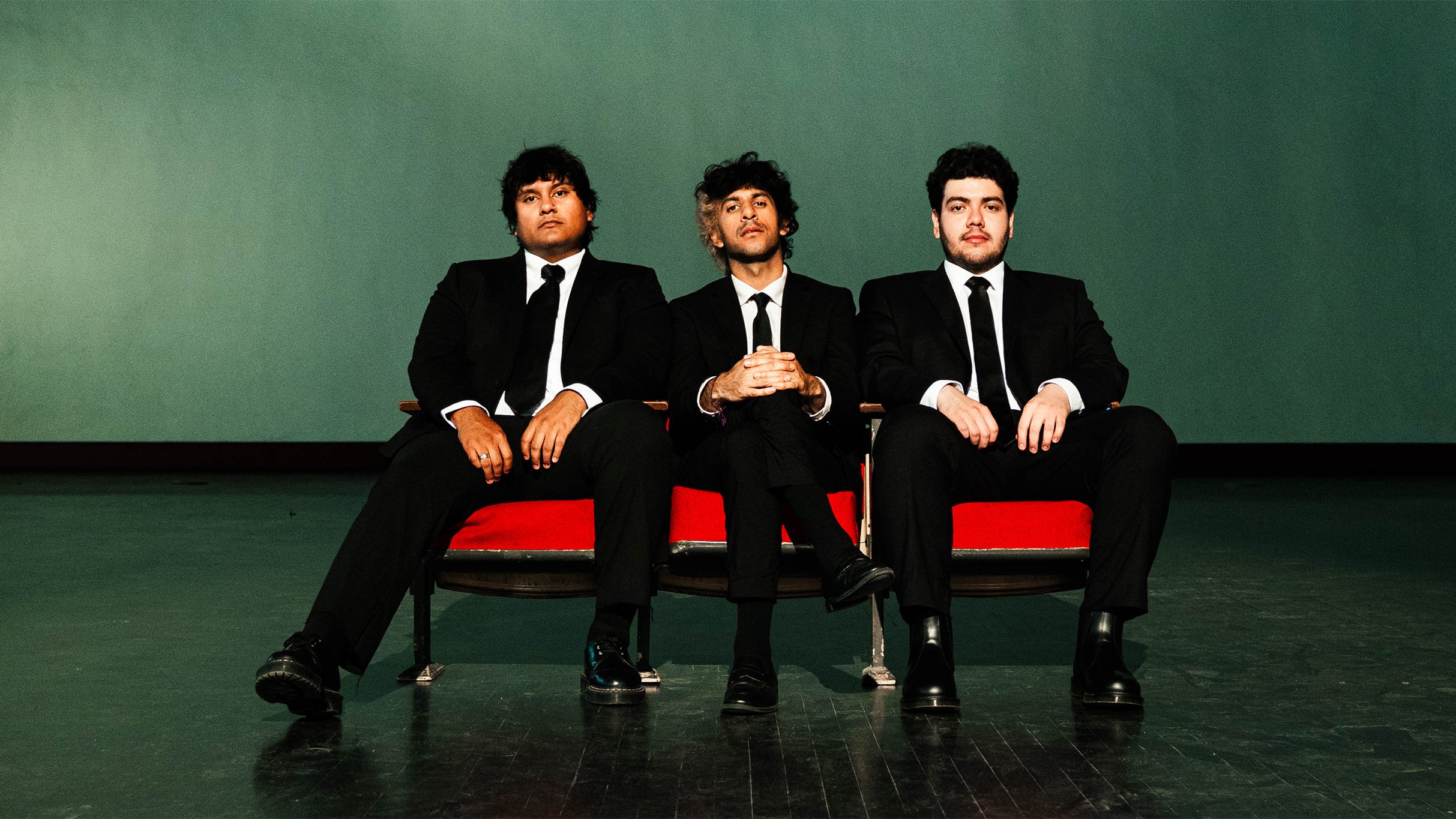
Apr. 14, 2026
The Red Pears & Together Pangea (18+)