- Today
- Holidays
- Birthdays
- Reminders
- Cities
- Atlanta
- Austin
- Baltimore
- Berwyn
- Beverly Hills
- Birmingham
- Boston
- Brooklyn
- Buffalo
- Charlotte
- Chicago
- Cincinnati
- Cleveland
- Columbus
- Dallas
- Denver
- Detroit
- Fort Worth
- Houston
- Indianapolis
- Knoxville
- Las Vegas
- Los Angeles
- Louisville
- Madison
- Memphis
- Miami
- Milwaukee
- Minneapolis
- Nashville
- New Orleans
- New York
- Omaha
- Orlando
- Philadelphia
- Phoenix
- Pittsburgh
- Portland
- Raleigh
- Richmond
- Rutherford
- Sacramento
- Salt Lake City
- San Antonio
- San Diego
- San Francisco
- San Jose
- Seattle
- Tampa
- Tucson
- Washington
Martial Arts Evolves to Maximize Competitive Longevity
Data-driven 'repetition economy' transforms traditional dojos into high-performance labs
Apr. 12, 2026 at 8:35pm
Got story updates? Submit your updates here. ›
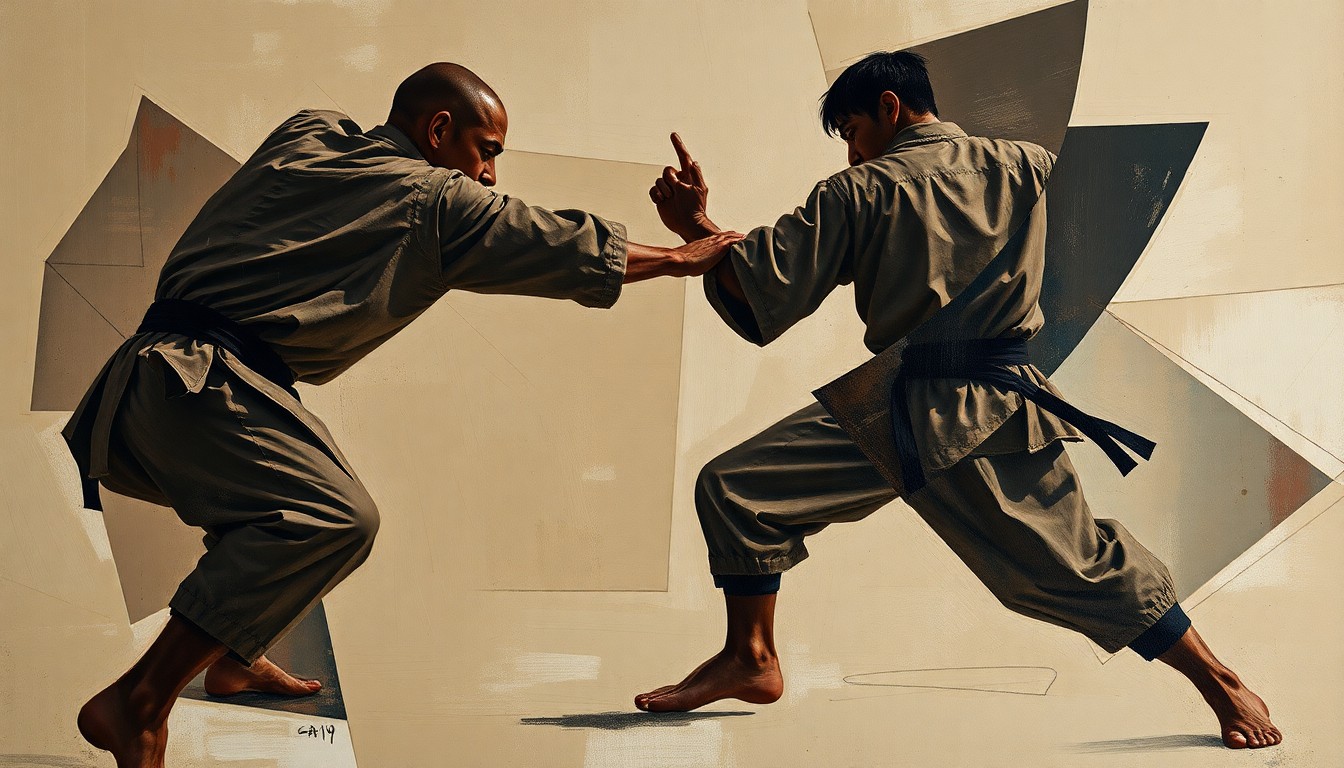 The modern martial arts landscape is shifting from raw athleticism to a data-driven 'repetition economy' focused on technical mastery and competitive longevity.Boston Today
The martial arts industry is undergoing a shift from raw athleticism to a data-driven 'repetition economy' where elite practitioners use biometric tracking and periodization to master technical skills and maximize competitive longevity. This transition focuses on the intersection of neuromuscular efficiency and cognitive load, transforming traditional dojos into high-performance labs.
Why it matters
The democratization of combat sports via social media has created a surge in 'white belt' practitioners who prioritize aesthetic intensity over technical repetition, leading to a high-risk environment for acute injuries and placing a burden on local healthcare infrastructure. The industry is navigating this critical transition by emphasizing the importance of specialized recovery protocols, vetted sports rehabilitation clinics, and the legal and financial complexities of professional martial arts.
The details
The modern fighter is now seen as a 'biological asset,' with a focus on reducing 'noise' in movement patterns through periodization and CNS fatigue management. This requires a level of precision that most amateur gyms cannot provide, leading to a demand for specialized sports rehabilitation clinics and physical therapists. The economic ripple effect of a high-level martial arts ecosystem extends beyond the gym, driving a demand for premium hospitality vendors and event security firms to manage the 'combat tourism' sector.
- The industry is currently navigating a critical mid-spring transition, as we move past the initial surge of New Year's fitness resolutions and enter the primary competitive window for regional grappling and striking championships.
- The legal and financial stakes are rising as fighters move from amateur status to professional contracts, requiring a shift in representation and the need for specialized sports contract lawyers.
The players
Dr. Marcus Thorne
Lead Performance Consultant for Elite MMA Circuits, who states that 'the modern fighter is no longer just a warrior. they are a biological asset. If you aren't tracking your Heart Rate Variability (HRV) and managing your central nervous system (CNS) fatigue, you aren't training—you're just guessing.'
What they’re saying
“The modern fighter is no longer just a warrior. they are a biological asset. If you aren't tracking your Heart Rate Variability (HRV) and managing your central nervous system (CNS) fatigue, you aren't training—you're just guessing.”
— Dr. Marcus Thorne, Lead Performance Consultant for Elite MMA Circuits
What’s next
As the sport continues to professionalize, the gap between the 'hobbyist' and the 'professional' will be defined by their access to an ecosystem of support, including specialized sports rehabilitation clinics, physical therapists, and sports contract lawyers.
The takeaway
The future of martial arts is not just about raw athleticism, but about data-driven 'intelligent repetition' and the management of biological and legal assets. Longevity and sustainability will be the keys to success in this high-impact industry.
Boston top stories



Boston events
Apr. 15, 2026
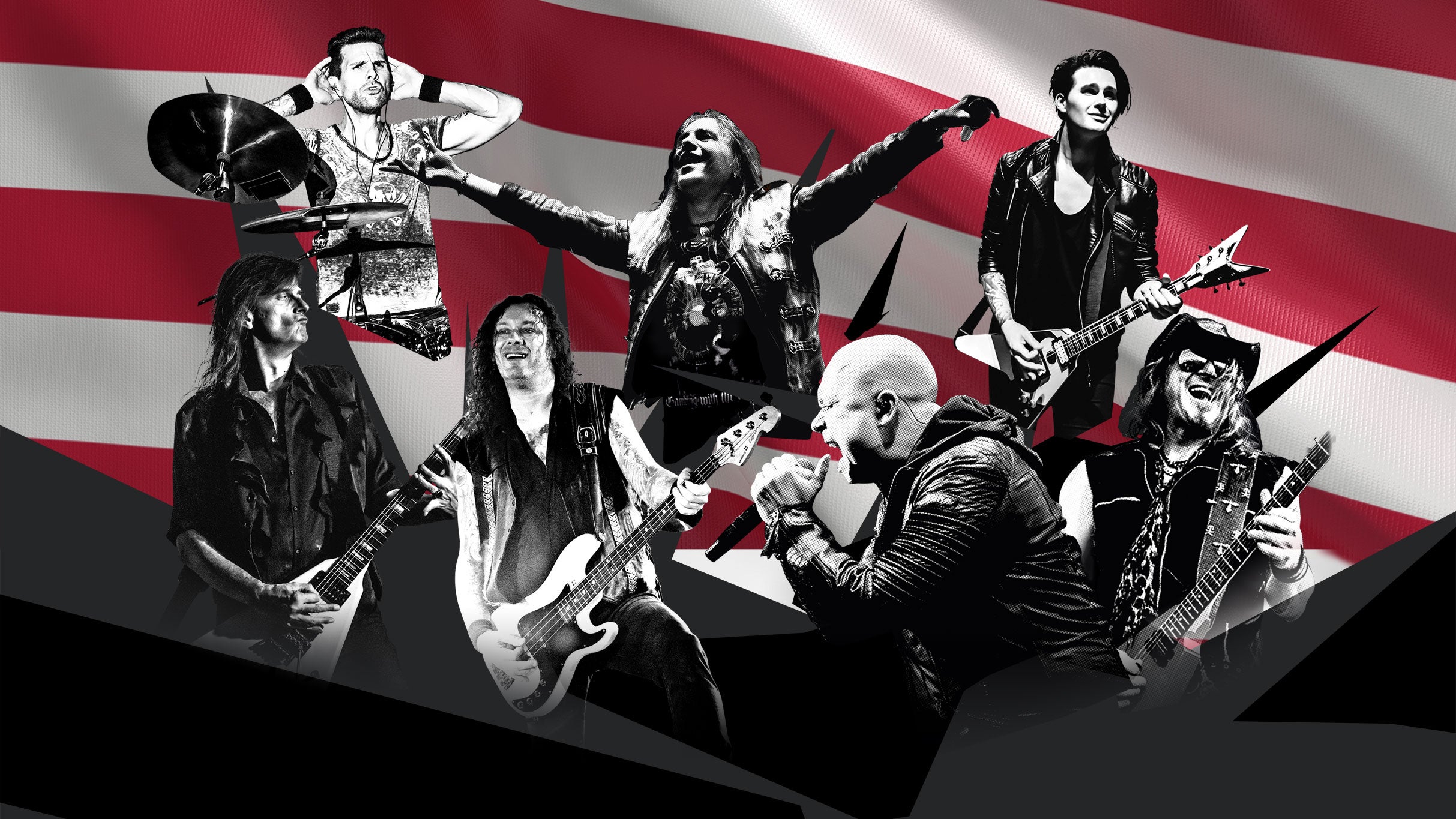
Helloween: 40th Anniversary North American Tour 2026
Apr. 15, 2026
Boston University Women's Lacrosse v. Colgate
Apr. 15, 2026
Jombriel