- Today
- Holidays
- Birthdays
- Reminders
- Cities
- Atlanta
- Austin
- Baltimore
- Berwyn
- Beverly Hills
- Birmingham
- Boston
- Brooklyn
- Buffalo
- Charlotte
- Chicago
- Cincinnati
- Cleveland
- Columbus
- Dallas
- Denver
- Detroit
- Fort Worth
- Houston
- Indianapolis
- Knoxville
- Las Vegas
- Los Angeles
- Louisville
- Madison
- Memphis
- Miami
- Milwaukee
- Minneapolis
- Nashville
- New Orleans
- New York
- Omaha
- Orlando
- Philadelphia
- Phoenix
- Pittsburgh
- Portland
- Raleigh
- Richmond
- Rutherford
- Sacramento
- Salt Lake City
- San Antonio
- San Diego
- San Francisco
- San Jose
- Seattle
- Tampa
- Tucson
- Washington
Anti-Inflammatory Treatments May Help Some Depressed Patients, Study Finds
Researchers at Mass General Brigham discover that targeting inflammation could offer new hope for a specific group battling depression.
Apr. 12, 2026 at 8:51pm
Got story updates? Submit your updates here. ›
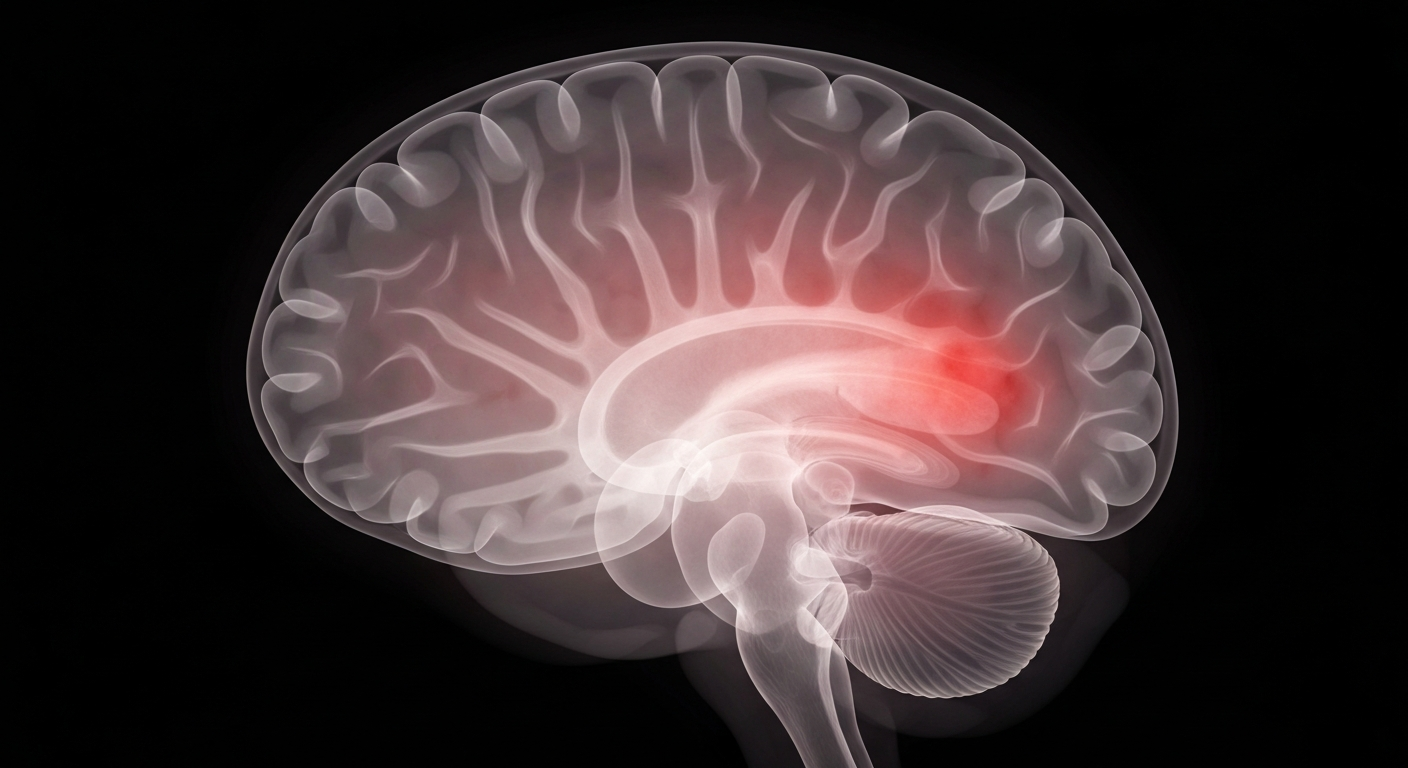 An X-ray-like image reveals the subtle signs of inflammation within the brain, potentially offering new insights into the biological underpinnings of depression.Boston Today
A groundbreaking study led by researchers at Mass General Brigham has found that anti-inflammatory treatments may effectively ease the severity of depressive symptoms and tackle anhedonia in people with depression who have underlying chronic, low-grade inflammation. The team's systematic review and meta-analysis of randomized controlled trials revealed that these interventions could dial down emotional pain and help reignite a sense of joy for some individuals struggling with depression.
Why it matters
This research points to a potential subtype of depression linked to an overactive immune response, suggesting that for these individuals, anti-inflammatory drugs combined with lifestyle changes could offer a targeted path to relief. However, experts caution that more work is needed to refine biomarkers and develop safer, more precise methods to address faulty inflammatory processes, while also considering the broader implications for mental health care.
The details
The study, led by Naoise Mac Giollabhui, PhD, and senior author Richard Liu, PhD, from the Department of Psychiatry at Mass General Brigham, analyzed up to 11 randomized controlled trials involving as many as 321 participants with depression and elevated inflammation markers. The findings showed that anti-inflammatory treatments led to notable improvements in both the intensity of depressive symptoms and the levels of anhedonia, a reduced capacity to experience pleasure.
- The study was published in the American Journal of Psychiatry in April 2026.
The players
Naoise Mac Giollabhui
An expert from the Department of Psychiatry at Mass General Brigham and the primary author of the study.
Richard Liu
The senior author of the study, also from the Department of Psychiatry at Mass General Brigham.
Melis Lydston
A member of the research team from Mass General Brigham.
What they’re saying
“This points to a potential subtype of depression linked to an overactive immune response, where the body's defenses are working in overdrive without a real threat. For these individuals, anti-inflammatory drugs – combined with lifestyle tweaks like better diet, exercise, or stress management – might offer a targeted path to relief.”
— Naoise Mac Giollabhui, Researcher, Department of Psychiatry, Mass General Brigham
What’s next
Researchers need to refine immune biomarkers to better identify individuals who might benefit from anti-inflammatory treatments, and develop safer, more precise methods to address faulty inflammatory processes. The team also acknowledges the need for a broader debate on the implications of this approach for mental health care, including concerns about overmedication and overlooking other potential root causes.
The takeaway
This study opens up exciting possibilities for a targeted approach to treating depression, but also highlights the need for further research and a nuanced discussion on the role of inflammation in mental health and the potential risks and benefits of anti-inflammatory interventions.
Boston top stories



Boston events

Apr. 13, 2026
Chris Grey: PARADISE LOST TOUR
Apr. 13, 2026
Bob Moses w/ Cannons
Apr. 14, 2026
The Red Pears & Together Pangea (18+)