- Today
- Holidays
- Birthdays
- Reminders
- Cities
- Atlanta
- Austin
- Baltimore
- Berwyn
- Beverly Hills
- Birmingham
- Boston
- Brooklyn
- Buffalo
- Charlotte
- Chicago
- Cincinnati
- Cleveland
- Columbus
- Dallas
- Denver
- Detroit
- Fort Worth
- Houston
- Indianapolis
- Knoxville
- Las Vegas
- Los Angeles
- Louisville
- Madison
- Memphis
- Miami
- Milwaukee
- Minneapolis
- Nashville
- New Orleans
- New York
- Omaha
- Orlando
- Philadelphia
- Phoenix
- Pittsburgh
- Portland
- Raleigh
- Richmond
- Rutherford
- Sacramento
- Salt Lake City
- San Antonio
- San Diego
- San Francisco
- San Jose
- Seattle
- Tampa
- Tucson
- Washington
1986 Red Sox Celebrated as Heroes, Not Chokers
Fenway Park honors team's resilience and paved way for future success
Apr. 12, 2026 at 5:50am
Got story updates? Submit your updates here. ›
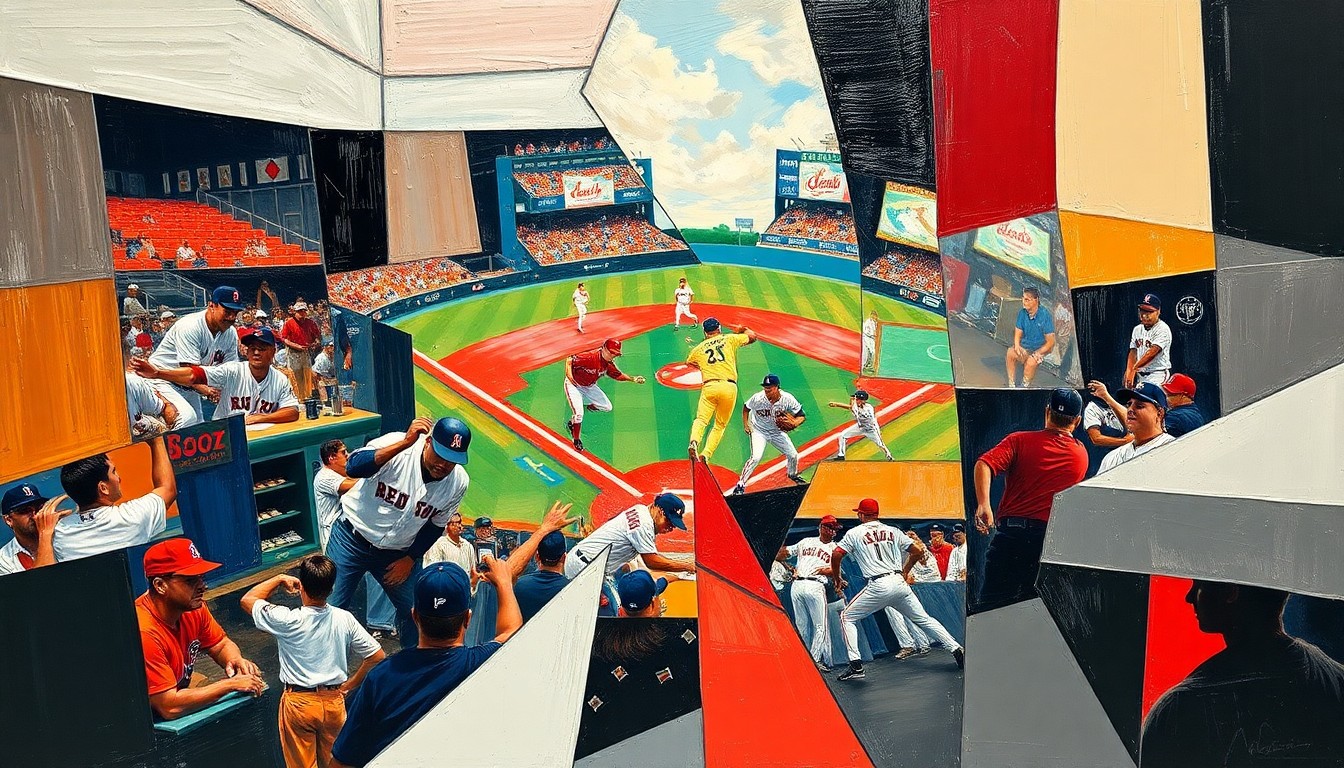 The 1986 Red Sox's heartbreaking World Series loss is reframed through the lens of time, their resilience and redemption celebrated decades later.Boston Today
The 1986 Boston Red Sox, once vilified for their heartbreaking World Series loss, were recently celebrated at Fenway Park as heroes rather than chokers. The narrative around the team has evolved over time, with fans and observers recognizing that failure is often a matter of perspective and that the players carried the burden of 1986 for decades before finally being reappraised.
Why it matters
This story highlights how sports teams become vessels for our collective memories and how narratives around them can shift dramatically over time. It suggests that we're often too quick to judge and label teams as failures, when in reality they may have come close to success and paved the way for future triumphs.
The details
The 1986 Red Sox won 95 games that season, staged an incredible comeback in the ALCS, and came within inches of a championship. However, because they didn't win it all, they were written off as chokers, with Bill Buckner's error in Game 6 becoming the defining moment. But after the Red Sox finally broke their championship drought in 2004 and won several more titles, the sting of 1986 faded, and the team was reappraised as a resilient group that had simply fallen short.
- The 1986 Red Sox were recently honored at Fenway Park.
The players
Bill Buckner
The Red Sox first baseman whose error in Game 6 of the 1986 World Series became the defining moment of the team's loss.
The takeaway
This story suggests that we should be more willing to reevaluate our judgments of failure and give teams and players the benefit of the doubt. The 1986 Red Sox proved that redemption isn't just about trophies; it's about reclaiming one's humanity and having their story reframed in a more positive light.
Boston top stories

Boston events
Apr. 12, 2026
Boston Celtics vs. Orlando Magic (Fan Appreciation)
Apr. 12, 2026
Hepcat (18+)
Apr. 12, 2026
Happy Landing