- Today
- Holidays
- Birthdays
- Reminders
- Cities
- Atlanta
- Austin
- Baltimore
- Berwyn
- Beverly Hills
- Birmingham
- Boston
- Brooklyn
- Buffalo
- Charlotte
- Chicago
- Cincinnati
- Cleveland
- Columbus
- Dallas
- Denver
- Detroit
- Fort Worth
- Houston
- Indianapolis
- Knoxville
- Las Vegas
- Los Angeles
- Louisville
- Madison
- Memphis
- Miami
- Milwaukee
- Minneapolis
- Nashville
- New Orleans
- New York
- Omaha
- Orlando
- Philadelphia
- Phoenix
- Pittsburgh
- Portland
- Raleigh
- Richmond
- Rutherford
- Sacramento
- Salt Lake City
- San Antonio
- San Diego
- San Francisco
- San Jose
- Seattle
- Tampa
- Tucson
- Washington
The Science Behind the Squeak of Basketball Shoes
Researchers uncover the physics behind the iconic sound of sneakers on the court
Apr. 11, 2026 at 2:41am
Got story updates? Submit your updates here. ›
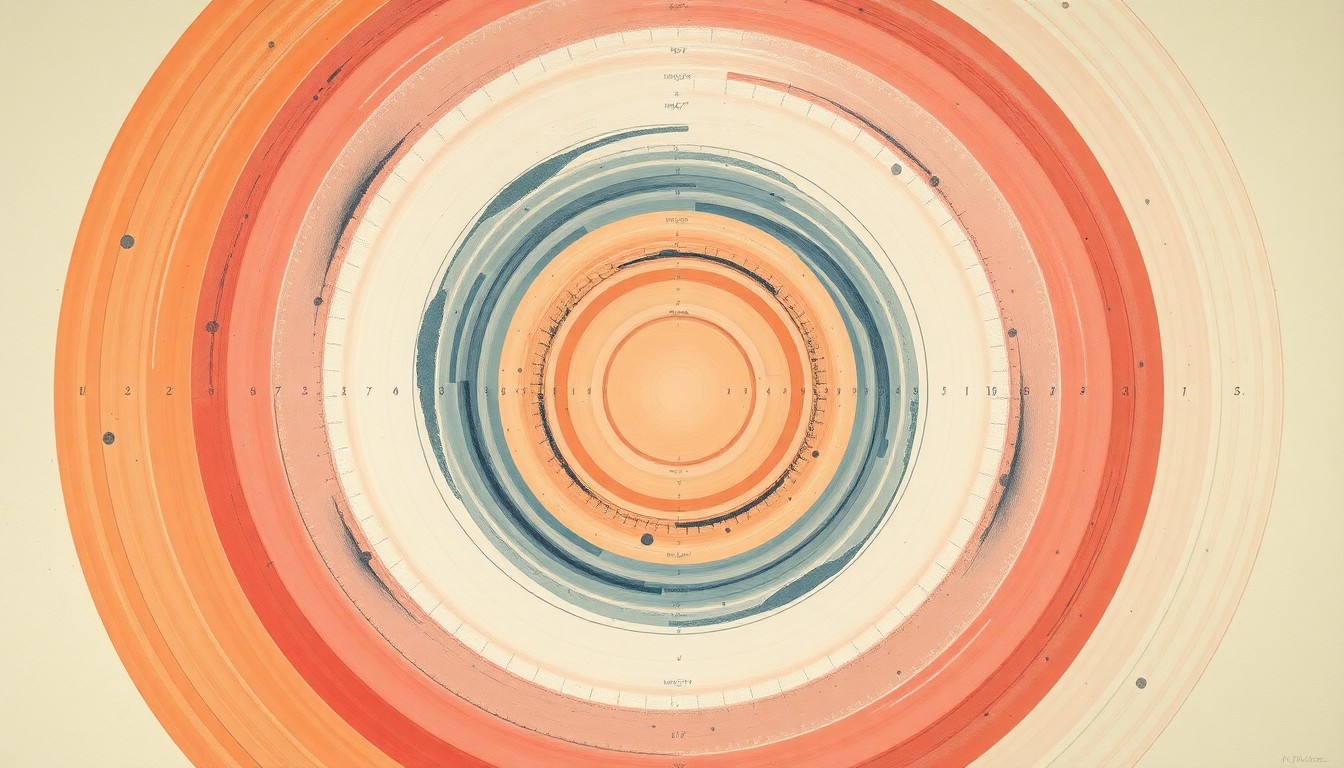 The intricate dance of friction and physics that produces the iconic squeak of basketball shoes.Boston Today
A team of scientists at Harvard University have uncovered the fascinating science behind the familiar squeak of basketball shoes on the court. Their research, published in the journal Nature, reveals that the sound is created by the rapid changes in the shape of the shoe's sole as it grips and slides across the floor, producing high-speed ripples that generate the distinct pitch. The study also suggests that the tread patterns on sneakers may be key to organizing these friction-induced vibrations into a clear, high-pitched squeak.
Why it matters
Understanding the physics behind the squeak of basketball shoes could lead to breakthroughs in reducing wear and tear, improving energy efficiency, and even designing shoes that can be tuned to squeak at specific pitches. While some argue the squeak is an iconic part of the game, this research opens the door to potential innovations in footwear technology.
The details
Adel Djellouli, a materials scientist at Harvard, became curious about the ubiquitous squeak of sneakers during a Boston Celtics game. He and his team conducted experiments sliding shoes against a glass plate, recording the sounds, and capturing high-speed video. Their findings revealed that the squeak is produced by the shoe's sole rapidly changing shape thousands of times per second as it grips and slides, creating high-speed ripples that generate the distinct pitch. The researchers found that the tread patterns on sneakers seem to help organize these friction-induced vibrations into a clear, high-pitched squeak, unlike flat rubber blocks which produced disorganized ripples without the same auditory effect.
- Djellouli and his team published their findings in the journal Nature in 2026.
The players
Adel Djellouli
A materials scientist at Harvard University who led the research into the science behind the squeak of basketball shoes.
Bart Weber
A physicist who comments on the broader implications of understanding the complex problem of friction, which is crucial in everything from earthquakes to energy efficiency.
What they’re saying
“That squeaking sound when players slide on the floor—it's everywhere. As a scientist, I wasn't just going to let it slide (pun intended).”
— Adel Djellouli, Materials Scientist, Harvard University
“We can now start designing for it. Friction is incredibly difficult to predict and control, yet it's crucial in everything from earthquakes to energy efficiency. Understanding sneaker squeaks could lead to breakthroughs.”
— Bart Weber, Physicist
What’s next
Researchers believe their findings on the science behind basketball shoe squeaks could lead to innovations in footwear design, potentially allowing for shoes that can be tuned to squeak at specific pitches or even eliminate the sound entirely.
The takeaway
This study not only satisfies our curiosity about the familiar squeak of basketball shoes, but also opens up new possibilities for improving shoe technology and our understanding of the complex physics of friction. While some may argue the squeak is an iconic part of the game, this research suggests the potential to design shoes that can be optimized for performance, efficiency, or even customized sound.
Boston top stories

Boston events

Apr. 11, 2026
Boston Bruins vs. Tampa Bay Lightning
Apr. 11, 2026
Shen Yun