- Today
- Holidays
- Birthdays
- Reminders
- Cities
- Atlanta
- Austin
- Baltimore
- Berwyn
- Beverly Hills
- Birmingham
- Boston
- Brooklyn
- Buffalo
- Charlotte
- Chicago
- Cincinnati
- Cleveland
- Columbus
- Dallas
- Denver
- Detroit
- Fort Worth
- Houston
- Indianapolis
- Knoxville
- Las Vegas
- Los Angeles
- Louisville
- Madison
- Memphis
- Miami
- Milwaukee
- Minneapolis
- Nashville
- New Orleans
- New York
- Omaha
- Orlando
- Philadelphia
- Phoenix
- Pittsburgh
- Portland
- Raleigh
- Richmond
- Rutherford
- Sacramento
- Salt Lake City
- San Antonio
- San Diego
- San Francisco
- San Jose
- Seattle
- Tampa
- Tucson
- Washington
Bipedal Robots, NASA Missions, and More Robotics Innovations Showcased
Video Friday highlights the latest advancements in robotics, AI, and automation from around the world.
Apr. 11, 2026 at 3:22pm
Got story updates? Submit your updates here. ›
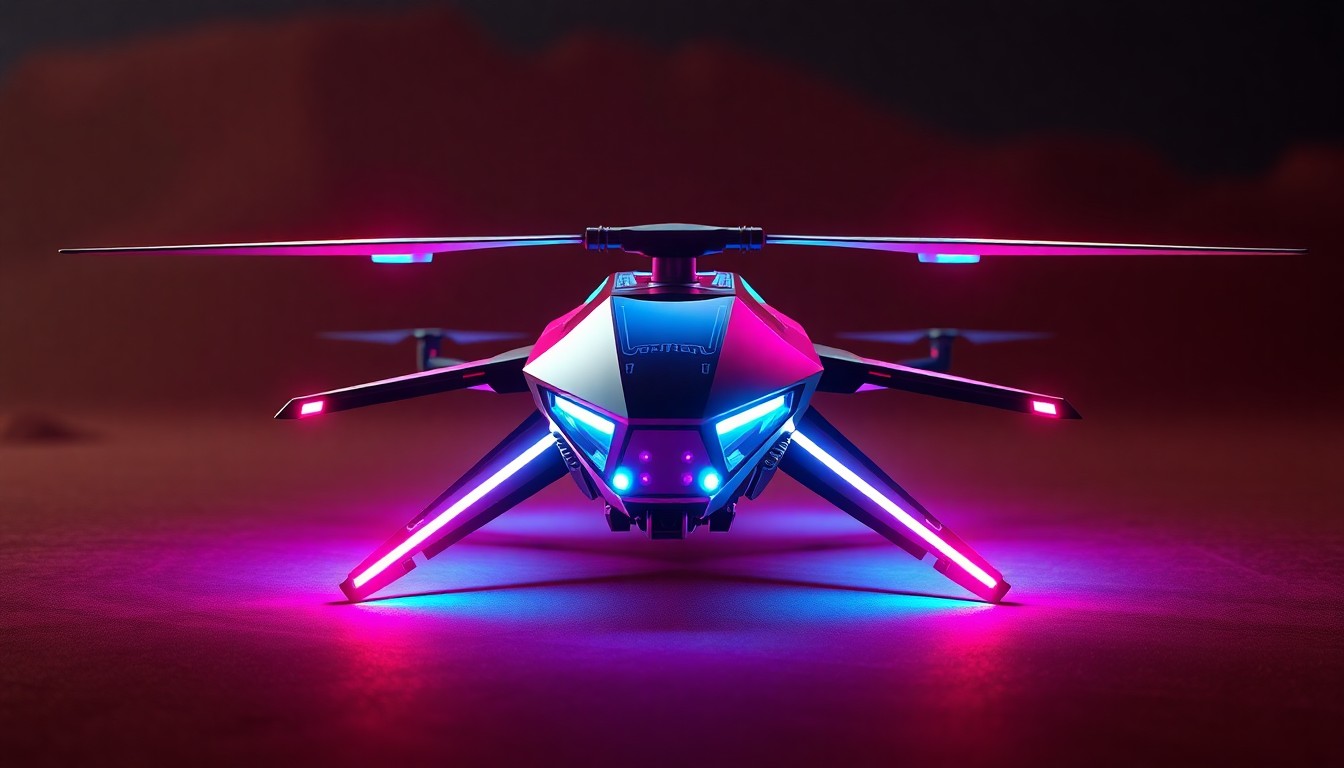 NASA's cutting-edge Mars helicopters and lunar drones showcase the potential of robotics in space exploration.Boston Today
This week's Video Friday explores a range of robotics innovations, including the development of flexible bipedal robots, NASA's ambitious space exploration missions using advanced drones, the creation of a new class of artificial muscle fibers, and the continued evolution of open-source quadruped robots and AI-powered cooking devices. The report also delves into the role of formal methods in advancing robotics in the age of big data.
Why it matters
These robotics breakthroughs showcase the rapid progress being made in areas like multimodal locomotion, space exploration, soft robotics, and human-robot interaction. As robotics technology becomes more sophisticated and accessible, it has the potential to transform industries, enhance our daily lives, and push the boundaries of what's possible in fields like space travel and autonomous systems.
The details
The 'Roadrunner' bipedal robot prototype from the Robotics and AI Institute can seamlessly switch between wheeled and stepping configurations, demonstrating the potential for flexible and adaptable bipedal robots. NASA's SkyFall and MoonFall missions will deploy teams of next-generation Mars helicopters and lunar drones to scout landing sites and map the surface, furthering the agency's space exploration goals. Researchers at MIT Media Lab have developed Electrofluidic Fiber Muscles, a new class of soft and flexible artificial muscle fibers that could enable more agile untethered robots and wearable assistive systems. The open-source MEVIUS2 quadruped robot, comparable in size to Boston Dynamics' Spot, showcases the power of collaborative development in the robotics community. The DreamWaQ++ multimodal reinforcement learning framework aims to enhance the capabilities of quadrupedal robots in challenging environments. Nvidia's KinetIQ AI brain demonstrates the integration of AI into robotics, enabling more natural human-robot interaction. Sony's continued support for the Aibo robot and the development of the Naviai intelligent cooking device further highlight the advancements in AI-powered robotics for everyday applications.
- Video Friday is a weekly roundup of the latest innovations in robotics, AI, and automation.
- The SkyFall and MoonFall NASA missions are planned for the coming years.
- The Roadrunner bipedal robot, Electrofluidic Fiber Muscles, and MEVIUS2 quadruped robot are recent developments showcased in 2026.
The players
Robotics and AI Institute
A research organization focused on developing advanced robotics and AI technologies, including the Roadrunner bipedal robot prototype.
NASA
The United States National Aeronautics and Space Administration, which is leading the SkyFall and MoonFall missions to explore Mars and the Moon using advanced robotic platforms.
MIT Media Lab
A renowned research laboratory at the Massachusetts Institute of Technology, where researchers have developed the Electrofluidic Fiber Muscles, a new class of artificial muscle fibers for robotics and wearables.
Zhejiang Humanoid Robot Innovation Center Co., Ltd.
A Chinese company that has developed the Naviai Robot, an intelligent cooking device powered by advanced robotics and AI technologies.
Nvidia
A leading technology company that showcased its KinetIQ AI brain, demonstrating the integration of AI into robotics for more natural human-robot interaction.
What’s next
As these robotics innovations continue to evolve, we can expect to see further advancements in areas like autonomous navigation, human-robot collaboration, and the integration of AI and machine learning into physical systems. The open-source nature of some of these projects also suggests that the robotics community will continue to collaborate and build upon these breakthroughs, driving the field forward at an accelerated pace.
The takeaway
The diverse range of robotics innovations showcased in this Video Friday report highlights the rapid progress being made in the field, from flexible bipedal robots and advanced space exploration drones to soft artificial muscles and intelligent cooking devices. These advancements demonstrate the potential of robotics to transform industries, enhance our daily lives, and push the boundaries of what's possible in areas like space travel and autonomous systems.
Boston top stories



Boston events

Apr. 11, 2026
Boston Bruins vs. Tampa Bay Lightning
Apr. 11, 2026
Shen Yun