- Today
- Holidays
- Birthdays
- Reminders
- Cities
- Atlanta
- Austin
- Baltimore
- Berwyn
- Beverly Hills
- Birmingham
- Boston
- Brooklyn
- Buffalo
- Charlotte
- Chicago
- Cincinnati
- Cleveland
- Columbus
- Dallas
- Denver
- Detroit
- Fort Worth
- Houston
- Indianapolis
- Knoxville
- Las Vegas
- Los Angeles
- Louisville
- Madison
- Memphis
- Miami
- Milwaukee
- Minneapolis
- Nashville
- New Orleans
- New York
- Omaha
- Orlando
- Philadelphia
- Phoenix
- Pittsburgh
- Portland
- Raleigh
- Richmond
- Rutherford
- Sacramento
- Salt Lake City
- San Antonio
- San Diego
- San Francisco
- San Jose
- Seattle
- Tampa
- Tucson
- Washington
AI Helps Predict Diverticulitis Recurrence
Algorithm accurately identifies and classifies diverticulitis complications, improving prediction of severe recurrence.
Apr. 10, 2026 at 11:49am
Got story updates? Submit your updates here. ›
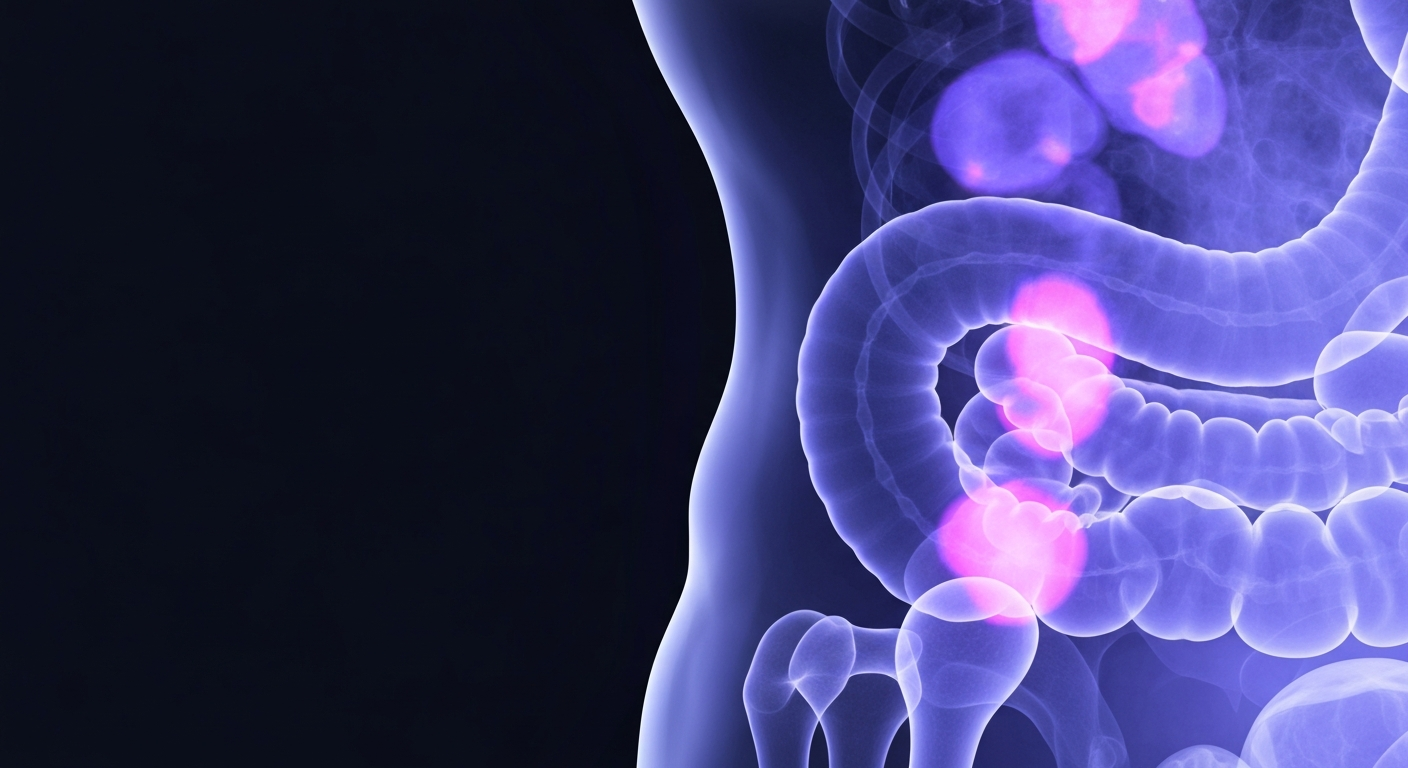 An advanced AI algorithm can analyze CT scans to precisely identify and categorize diverticulitis complications, helping predict which patients face the highest risk of severe recurrence.Boston Today
Researchers developed a natural language processing (NLP) algorithm that can analyze CT reports to accurately identify and classify diverticulitis complications. The algorithm outperformed diagnostic codes and was able to substantially improve the prediction of severe diverticulitis recurrence requiring hospitalization, with risk increasing stepwise from mild to severe to chronic complications.
Why it matters
Diverticulitis is a common and potentially serious condition, and being able to better predict which patients are at higher risk of recurrence could help guide treatment and prevention efforts. The NLP algorithm provides a more precise way to categorize diverticulitis severity compared to diagnostic codes, which lack the necessary detail.
The details
The researchers analyzed data from over 16,000 patients with diverticular disease and developed an NLP algorithm to extract 12 CT features and group them by severity: uncomplicated, mild complications, severe complications, and chronic complications. The algorithm demonstrated strong diagnostic performance, with sensitivity and specificity ranging from 82.8% to 99.9%. During the 3.3-year median follow-up, patients with more severe initial complications had a stepwise increase in risk of severe diverticulitis recurrence, with adjusted hazard ratios of 1.39 for mild, 3.02 for severe, and 5.41 for chronic complications compared to uncomplicated cases. Models incorporating the NLP-detected features significantly improved the prediction of severe recurrence compared to using diagnostic codes or other covariates alone.
- The study analyzed data from January 1979 to June 2024.
- The median follow-up duration was 3.3 years.
The players
Wenjie Ma
Lead author of the study, from the Clinical and Translational Epidemiology Unit and Division of Gastroenterology at Massachusetts General Hospital and Harvard Medical School.
Massachusetts General Hospital
The healthcare system where the study was conducted.
Harvard Medical School
The academic institution affiliated with the lead author.
National Institute of Diabetes and Digestive and Kidney Diseases
The National Institutes of Health institute that provided funding for the study.
American Gastroenterological Association
The organization that provided Research Scholar Awards to support the study.
What they’re saying
“NLP-detected features have the potential to be incorporated in a clinical decision stool to improve risk stratification and identify patients who are more susceptible to readmission after their initial episode, thus helping guide management and prevention of diverticular disease.”
— Wenjie Ma, Lead author
What’s next
The researchers plan to further validate the NLP algorithm in other healthcare settings to assess its generalizability. They also aim to incorporate additional clinical details beyond just the CT report findings to enhance the predictive capabilities of the model.
The takeaway
This study demonstrates the potential for AI-powered natural language processing to provide a more precise and clinically useful way to categorize diverticulitis severity, which can significantly improve the ability to predict which patients are at highest risk of experiencing a severe recurrence. This could help guide treatment decisions and prevention strategies for this common gastrointestinal condition.
Boston top stories


Boston events

Apr. 10, 2026
Circle Jerks & Gorilla Biscuits
Apr. 10, 2026
Kishi Bashi (18 and Over)
Apr. 10, 2026
JAVON JACKSON RECORD RELEASE-JACKSON PLAYS DYLAN