- Today
- Holidays
- Birthdays
- Reminders
- Cities
- Atlanta
- Austin
- Baltimore
- Berwyn
- Beverly Hills
- Birmingham
- Boston
- Brooklyn
- Buffalo
- Charlotte
- Chicago
- Cincinnati
- Cleveland
- Columbus
- Dallas
- Denver
- Detroit
- Fort Worth
- Houston
- Indianapolis
- Knoxville
- Las Vegas
- Los Angeles
- Louisville
- Madison
- Memphis
- Miami
- Milwaukee
- Minneapolis
- Nashville
- New Orleans
- New York
- Omaha
- Orlando
- Philadelphia
- Phoenix
- Pittsburgh
- Portland
- Raleigh
- Richmond
- Rutherford
- Sacramento
- Salt Lake City
- San Antonio
- San Diego
- San Francisco
- San Jose
- Seattle
- Tampa
- Tucson
- Washington
Massachusetts Lawmakers Propose Strict Social Media Restrictions for Teens
House bill would ban children under 14 from using social media, require parental consent for 14- and 15-year-olds.
Apr. 9, 2026 at 11:18am
Got story updates? Submit your updates here. ›
 As lawmakers seek to restrict minors' access to social media, the complex digital infrastructure powering these platforms remains a source of concern.Boston Today
The Massachusetts House of Representatives has passed a bill that would ban children under the age of 14 from using social media platforms, and require parental consent for 14- and 15-year-olds. The legislation aims to protect young people from the adverse impacts of social media, including bullying, anxiety, and other mental health issues. If the bill becomes law, social media companies would be required to implement age-verification systems for all users.
Why it matters
This proposed law is one of the most restrictive social media policies for minors in the country, and could face legal challenges from tech companies and industry groups. The bill reflects growing concerns about the negative effects of social media on young people's well-being, and lawmakers' efforts to address those concerns through legislation.
The details
The House bill passed by a vote of 129-25 and would require social media companies to have age-verification systems in place by October 2023. Children under 14 would be banned from using social media altogether, while 14- and 15-year-olds would need parental consent. The specific social media platforms covered by the legislation remain unclear, as lawmakers want to leave those decisions to the state Attorney General's office to allow for more flexibility as the industry evolves.
- The House passed the bill on April 8, 2026.
- Lawmakers are aiming to have the age-verification systems in place by October 2023.
The players
Massachusetts House of Representatives
The state's lower legislative chamber that passed the social media restrictions bill.
Attorney General Andrea Campbell
The Massachusetts Attorney General who would be responsible for defining the specific social media platforms covered by the legislation.
Chamber of Progress
A center-left tech industry association that has warned lawmakers about the potential privacy risks of age-verification requirements.
What they’re saying
“We think it's the right thing to do. We think we are on solid ground. We hope that once this bill passes, it'll stand up for any legal challenges.”
— Aaron Michlewitz, House Ways and Means Chair
“If platforms or even the attorney general's office have to collect data to verify age in order to access social media platforms, that data could be discoverable by the Trump administration for immigration enforcement, of which we're very concerned.”
— Brianna January, Lobbyist, Chamber of Progress
What’s next
The bill now moves to the state Senate, where it will need to pass before going to the governor's desk to be signed into law. Tech companies and industry groups are expected to closely monitor the legislation and potentially mount legal challenges if it is enacted.
The takeaway
This proposed law represents a significant effort by Massachusetts lawmakers to protect young people from the potential harms of social media, even as it faces pushback from the tech industry. The outcome of this legislation could set a precedent for other states considering similar restrictions on minors' access to social media platforms.
Boston top stories


Boston events

Apr. 9, 2026
Circle Jerks & Gorilla Biscuits
Apr. 9, 2026
Varials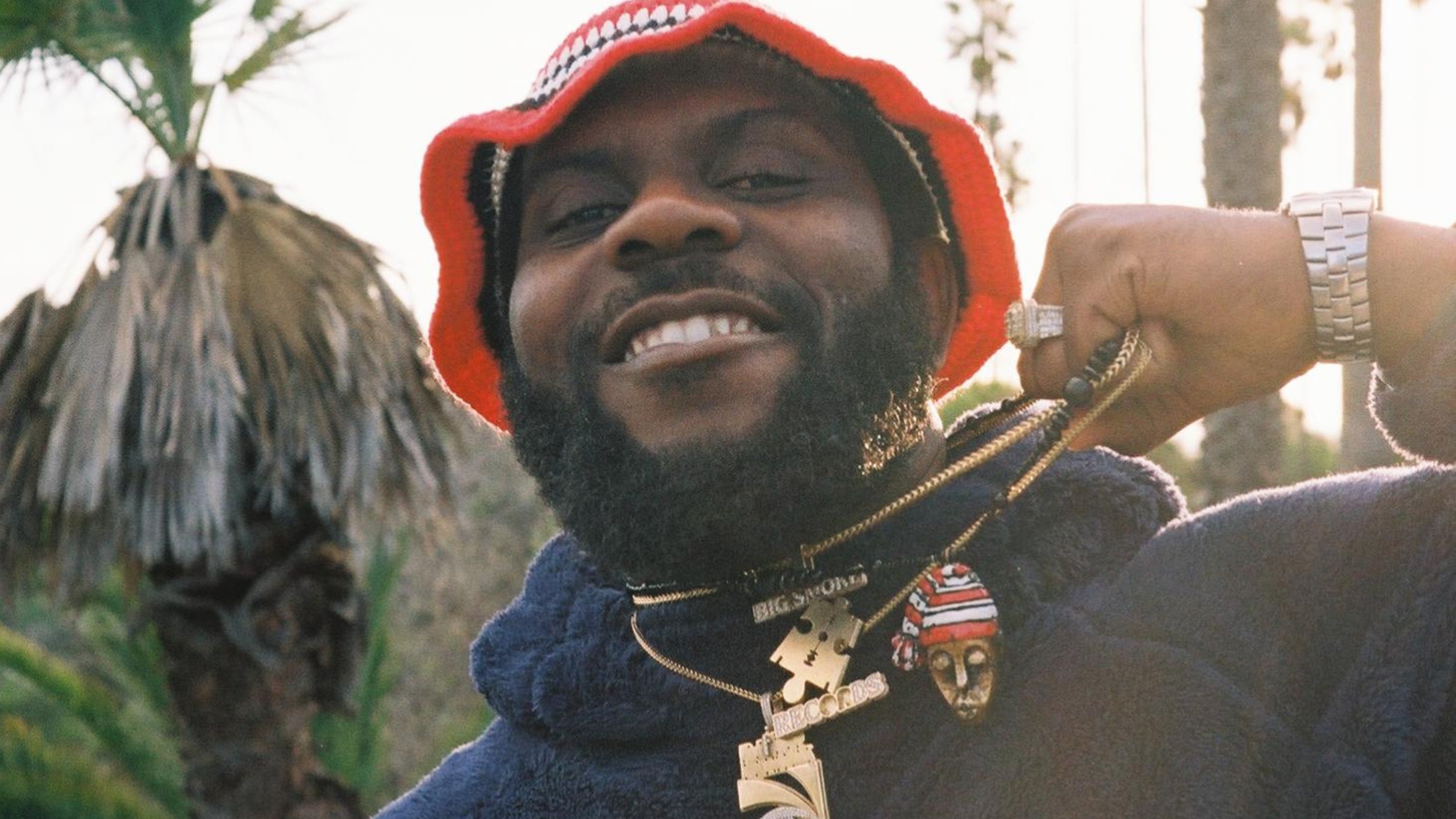
Apr. 9, 2026
ODUMODUBLVCK - THE INDUSTRY MACHINE TOUR