- Today
- Holidays
- Birthdays
- Reminders
- Cities
- Atlanta
- Austin
- Baltimore
- Berwyn
- Beverly Hills
- Birmingham
- Boston
- Brooklyn
- Buffalo
- Charlotte
- Chicago
- Cincinnati
- Cleveland
- Columbus
- Dallas
- Denver
- Detroit
- Fort Worth
- Houston
- Indianapolis
- Knoxville
- Las Vegas
- Los Angeles
- Louisville
- Madison
- Memphis
- Miami
- Milwaukee
- Minneapolis
- Nashville
- New Orleans
- New York
- Omaha
- Orlando
- Philadelphia
- Phoenix
- Pittsburgh
- Portland
- Raleigh
- Richmond
- Rutherford
- Sacramento
- Salt Lake City
- San Antonio
- San Diego
- San Francisco
- San Jose
- Seattle
- Tampa
- Tucson
- Washington
Harvard Scientist Wins Visa Dispute with U.S. Customs
Federal judge rules government unlawfully canceled researcher's visa over biological samples
Apr. 9, 2026 at 7:56pm
Got story updates? Submit your updates here. ›
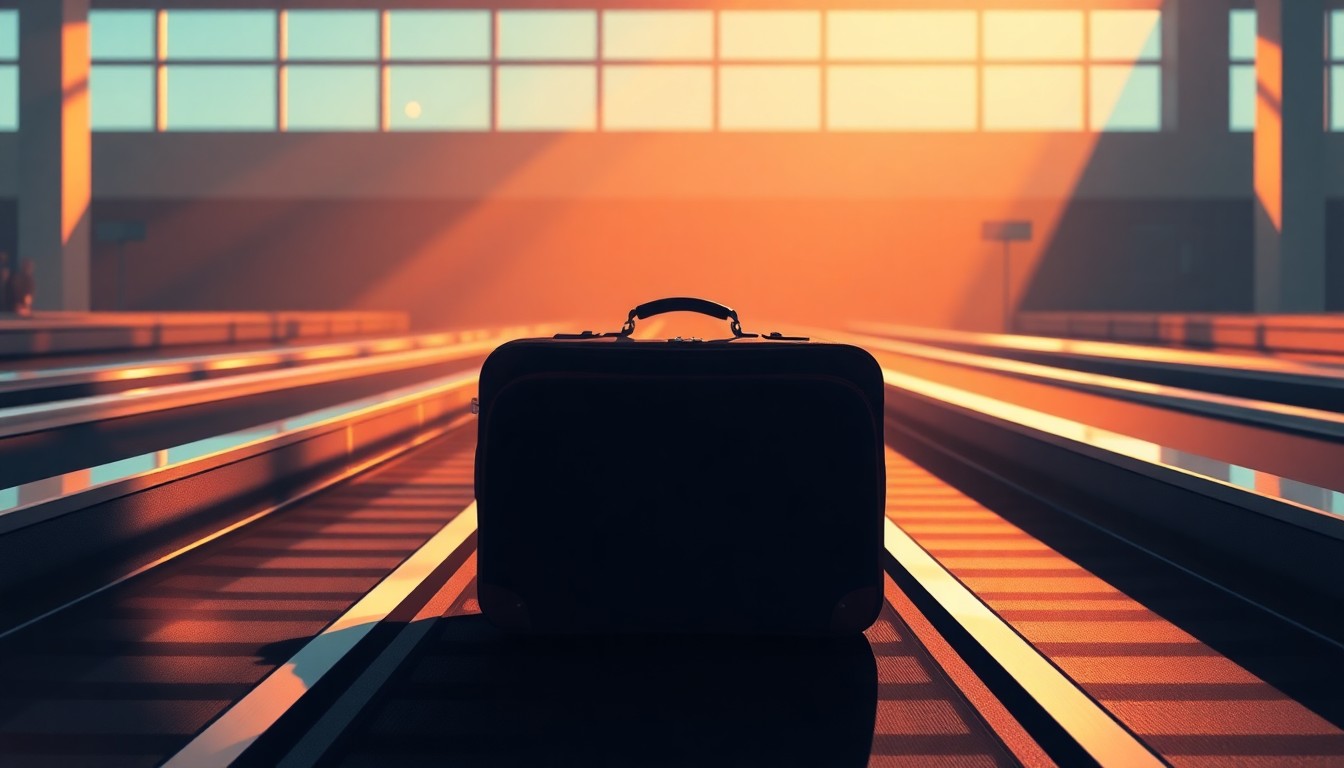 The ruling in the Petrova case underscores the need for greater transparency and accountability around customs officials' actions at U.S. borders.Boston Today
A federal judge has ruled that U.S. Customs and Border Protection unlawfully canceled the visa of Harvard scientist Kseniia Petrova after detaining her at Boston's Logan Airport in 2025 over biological samples in her luggage. The judge found that customs had no authority to cancel Petrova's visa for the alleged offense of failing to properly declare the frog embryos she was carrying for her research.
Why it matters
This case highlights concerns over the broad authority of customs officials at U.S. borders and the potential for abuse or overreach, especially when dealing with academic researchers and their work. The ruling is seen as an important check on customs' power and a victory for protecting the rights of foreign scientists and researchers working in the United States.
The details
Petrova, a Russian citizen who studies advanced imaging technology at Harvard, was detained at the Boston airport in February 2025 while returning from Paris. She was carrying frog embryos used for her research when she was stopped for allegedly failing to declare the embryos, interrogated, and placed in detention for about four months. After Petrova was released on bail in June, she was charged with smuggling biological material into the U.S.
- Petrova was detained at Boston's Logan Airport in February 2025.
- Petrova was released on bail in June 2025.
- A trial in the criminal case is set for later 2026.
The players
Kseniia Petrova
A Russian citizen who studies advanced imaging technology at Harvard University.
U.S. Customs and Border Protection (CBP)
The federal agency that detained Petrova and canceled her visa.
U.S. District Judge Christina Reiss
The federal judge who ruled that CBP unlawfully canceled Petrova's visa.
Gregory Romanovsky
Petrova's attorney, who said the ruling is an important step in checking the broad authority of customs officials.
What they’re saying
“Today's ruling makes it clear that, as broad as CBP's authority is at the border, its actions cannot be arbitrary or capricious.”
— Gregory Romanovsky, Petrova's attorney
“The undisputed facts reveal that Ms. Petrova's visa was impermissibly canceled because of the frog embryo samples, and for no other reason.”
— U.S. District Judge Christina Reiss
What’s next
A trial in the criminal case against Petrova is set for later 2026, and immigration proceedings related to the incident continue.
The takeaway
This case highlights the need for greater oversight and accountability around the actions of customs officials, especially when dealing with academic researchers and their work. The ruling is a victory for protecting the rights of foreign scientists and researchers in the United States.
Boston top stories



Boston events
Apr. 9, 2026
Circle Jerks & Gorilla Biscuits
Apr. 9, 2026
Varials
Apr. 9, 2026
ODUMODUBLVCK - THE INDUSTRY MACHINE TOUR