- Today
- Holidays
- Birthdays
- Reminders
- Cities
- Atlanta
- Austin
- Baltimore
- Berwyn
- Beverly Hills
- Birmingham
- Boston
- Brooklyn
- Buffalo
- Charlotte
- Chicago
- Cincinnati
- Cleveland
- Columbus
- Dallas
- Denver
- Detroit
- Fort Worth
- Houston
- Indianapolis
- Knoxville
- Las Vegas
- Los Angeles
- Louisville
- Madison
- Memphis
- Miami
- Milwaukee
- Minneapolis
- Nashville
- New Orleans
- New York
- Omaha
- Orlando
- Philadelphia
- Phoenix
- Pittsburgh
- Portland
- Raleigh
- Richmond
- Rutherford
- Sacramento
- Salt Lake City
- San Antonio
- San Diego
- San Francisco
- San Jose
- Seattle
- Tampa
- Tucson
- Washington
Harvard Researcher Wins Visa Reinstatement After Frog Embryo Smuggling Charge
Judge rules customs officer improperly canceled Kseniia Petrova's visa for suspected biological sample smuggling.
Apr. 8, 2026 at 6:18am
Got story updates? Submit your updates here. ›
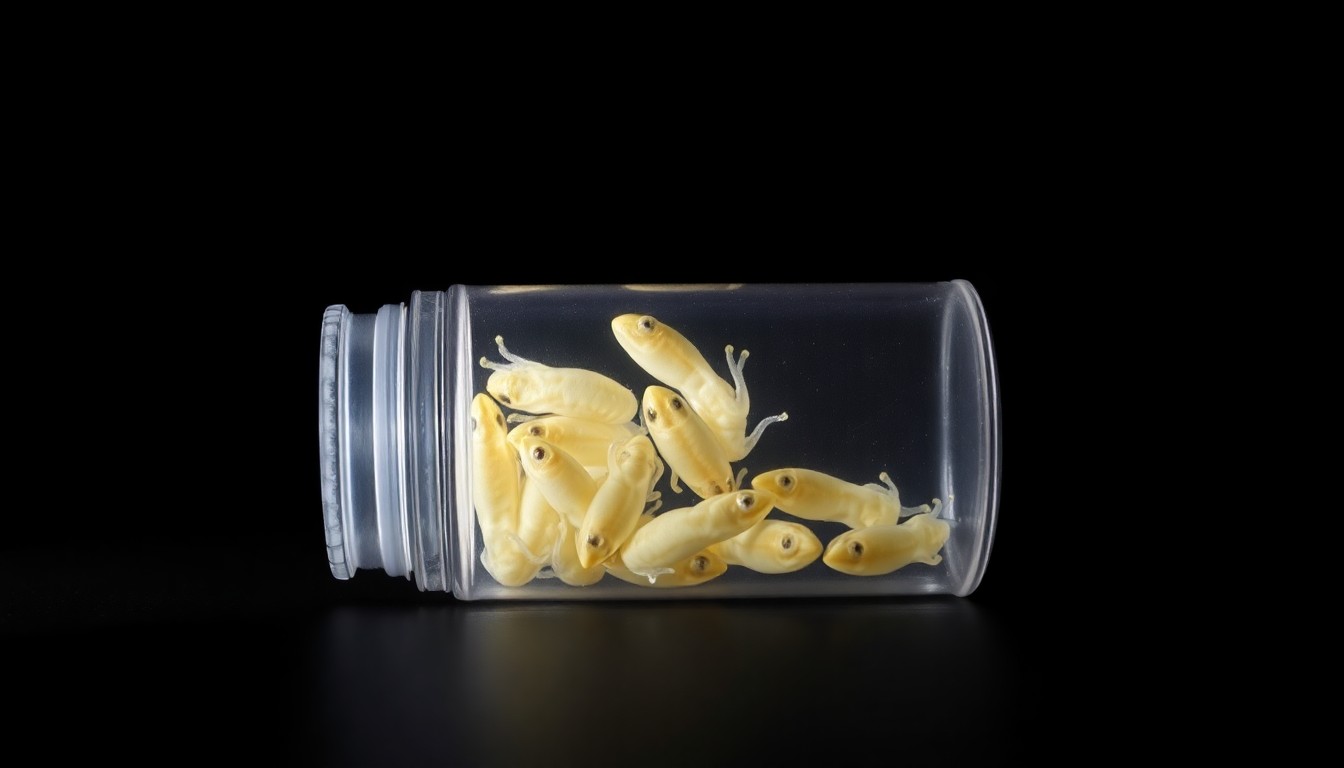 A scientific sample at the center of an international visa dispute exposes the fragility of academic freedom for foreign researchers.Boston Today
A U.S. judge has ruled that a customs officer improperly canceled the visa of a Russian-born Harvard University researcher, Kseniia Petrova, who was charged with smuggling frog embryos into the country. The judge found the visa cancellation was 'arbitrary and capricious' as customs officers have limited authority to cancel visas and cannot do so for suspected smuggling of biological samples.
Why it matters
Petrova's case is being closely watched by the scientific community, with concerns that the incident could impact the ability of U.S. universities to recruit and retain foreign researchers if visa issues arise over routine academic activities.
The details
In February 2025, Petrova was returning from a trip to France where she had obtained samples of frog embryos for her research at Harvard. When passing through customs at Boston Logan International Airport, she was questioned about the samples and then told her visa was being canceled. Petrova was briefly detained in Vermont before being sent to an ICE facility in Louisiana. She maintained she did not realize the samples needed to be declared and was not trying to smuggle anything into the country.
- In February 2025, Petrova was returning from France with frog embryo samples.
- Petrova's visa was canceled at a customs checkpoint at Boston Logan International Airport.
The players
Kseniia Petrova
A Russian-born scientist and Harvard University researcher who was charged with smuggling frog embryos into the U.S.
U.S. District Court Judge Christina Reiss
The judge who ruled that a customs officer improperly canceled Petrova's visa.
Gregory Romanovsky
Petrova's attorney who said the ruling was an important step in 'correcting what should never have happened.'
What they’re saying
“The undisputed facts reveal that Ms. Petrova's visa was impermissibly canceled because of the frog embryo samples and for no other reason.”
— U.S. District Court Judge Christina Reiss
“This ruling was an important step toward correcting what should never have happened in the first place.”
— Gregory Romanovsky, Petrova's attorney
What’s next
The U.S. Department of Homeland Security, which includes Customs and Border Protection, has not yet commented on the judge's ruling.
The takeaway
This case highlights the potential risks foreign researchers face when engaging in routine academic activities, as overzealous enforcement of biological sample regulations could lead to arbitrary visa cancellations that disrupt important scientific work. The ruling is a victory for academic freedom and the ability of U.S. universities to attract top global talent.
Boston top stories



Boston events

Apr. 8, 2026
Boston Red Sox vs. Milwaukee Brewers
Apr. 8, 2026
Boston Symphony Orchestra
Apr. 8, 2026
The Wonder Years