- Today
- Holidays
- Birthdays
- Reminders
- Cities
- Atlanta
- Austin
- Baltimore
- Berwyn
- Beverly Hills
- Birmingham
- Boston
- Brooklyn
- Buffalo
- Charlotte
- Chicago
- Cincinnati
- Cleveland
- Columbus
- Dallas
- Denver
- Detroit
- Fort Worth
- Houston
- Indianapolis
- Knoxville
- Las Vegas
- Los Angeles
- Louisville
- Madison
- Memphis
- Miami
- Milwaukee
- Minneapolis
- Nashville
- New Orleans
- New York
- Omaha
- Orlando
- Philadelphia
- Phoenix
- Pittsburgh
- Portland
- Raleigh
- Richmond
- Rutherford
- Sacramento
- Salt Lake City
- San Antonio
- San Diego
- San Francisco
- San Jose
- Seattle
- Tampa
- Tucson
- Washington
Bears Hall of Famer McMichael Diagnosed with CTE
Researchers find former defensive star suffered from chronic traumatic encephalopathy.
Apr. 8, 2026 at 6:30pm
Got story updates? Submit your updates here. ›
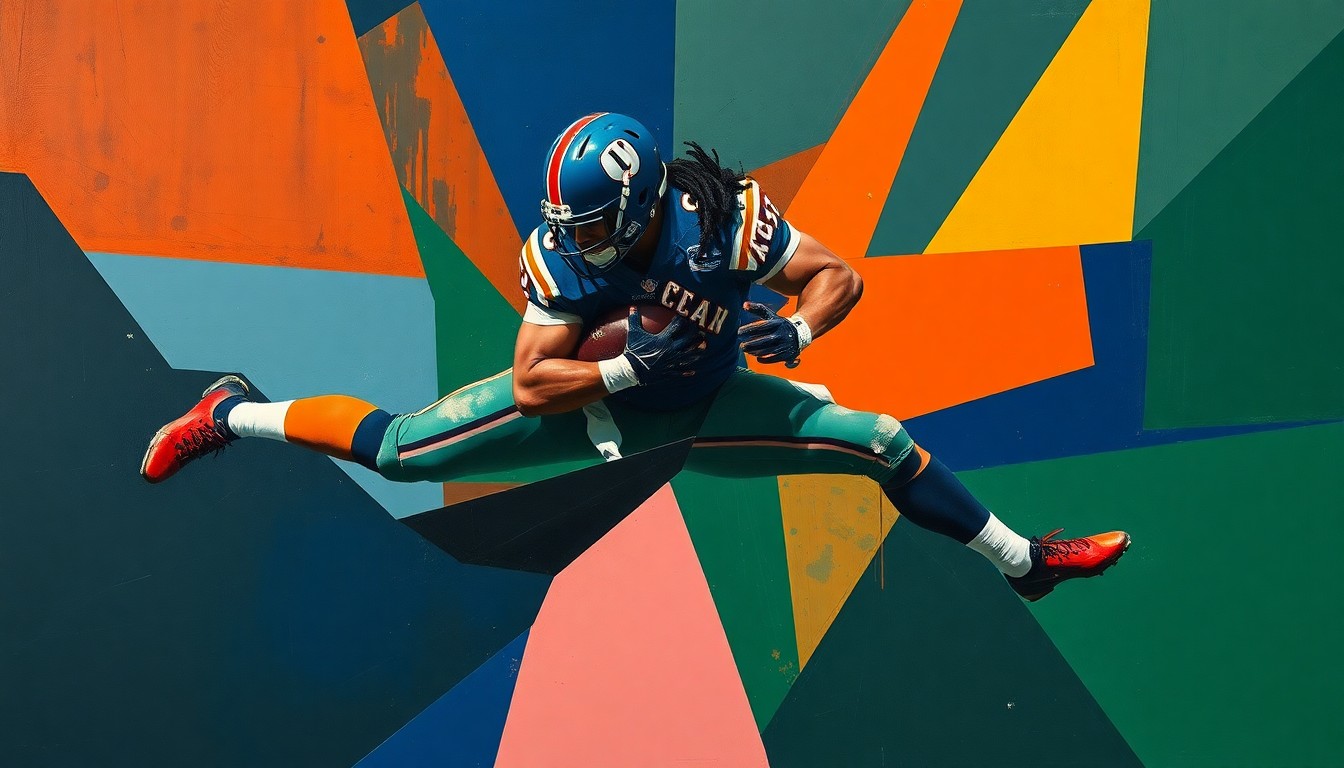 A cubist interpretation of the physical toll of professional football, as former players continue to grapple with the neurological aftermath of repeated head impacts.Boston Today
Hall of Famer Steve McMichael, a standout defensive player for the 1985 Super Bowl champion Chicago Bears, has been diagnosed with chronic traumatic encephalopathy (CTE), a degenerative brain disease linked to repeated head trauma often found in former NFL players.
Why it matters
McMichael's diagnosis highlights the ongoing concerns around the long-term effects of concussions and head injuries in professional football, with many former players developing debilitating neurological conditions like CTE, Parkinson's, and ALS later in life.
The details
The Concussion & CTE Foundation announced that McMichael, 64, was found to have CTE, a progressive brain disease caused by repeated blows to the head. McMichael played 13 seasons in the NFL, primarily with the Bears, and was a key part of the team's dominant 1985 defense that won the Super Bowl.
- Steve McMichael played for the Chicago Bears from 1980 to 1993.
- The Concussion & CTE Foundation announced McMichael's CTE diagnosis in April 2026.
The players
Steve McMichael
A Hall of Fame defensive tackle who played 13 seasons in the NFL, primarily with the Chicago Bears, and was a key member of the Bears' dominant 1985 Super Bowl-winning defense.
Concussion & CTE Foundation
A non-profit organization dedicated to researching and raising awareness about chronic traumatic encephalopathy (CTE) and other neurodegenerative diseases affecting former athletes.
The takeaway
McMichael's CTE diagnosis underscores the urgent need for the NFL and medical community to continue researching the long-term neurological impacts of head injuries in football and develop better prevention and treatment protocols to protect player health and safety.
Boston top stories



Boston events

Apr. 8, 2026
Boston Red Sox vs. Milwaukee Brewers
Apr. 8, 2026
Boston Symphony Orchestra
Apr. 8, 2026
The Wonder Years