- Today
- Holidays
- Birthdays
- Reminders
- Cities
- Atlanta
- Austin
- Baltimore
- Berwyn
- Beverly Hills
- Birmingham
- Boston
- Brooklyn
- Buffalo
- Charlotte
- Chicago
- Cincinnati
- Cleveland
- Columbus
- Dallas
- Denver
- Detroit
- Fort Worth
- Houston
- Indianapolis
- Knoxville
- Las Vegas
- Los Angeles
- Louisville
- Madison
- Memphis
- Miami
- Milwaukee
- Minneapolis
- Nashville
- New Orleans
- New York
- Omaha
- Orlando
- Philadelphia
- Phoenix
- Pittsburgh
- Portland
- Raleigh
- Richmond
- Rutherford
- Sacramento
- Salt Lake City
- San Antonio
- San Diego
- San Francisco
- San Jose
- Seattle
- Tampa
- Tucson
- Washington
NFL Hall of Famer Steve McMichael Had CTE, Researchers Reveal
McMichael, a key member of the 1985 Chicago Bears' dominant defense, died in 2025 at age 67 after battling ALS.
Apr. 7, 2026 at 12:56pm
Got story updates? Submit your updates here. ›
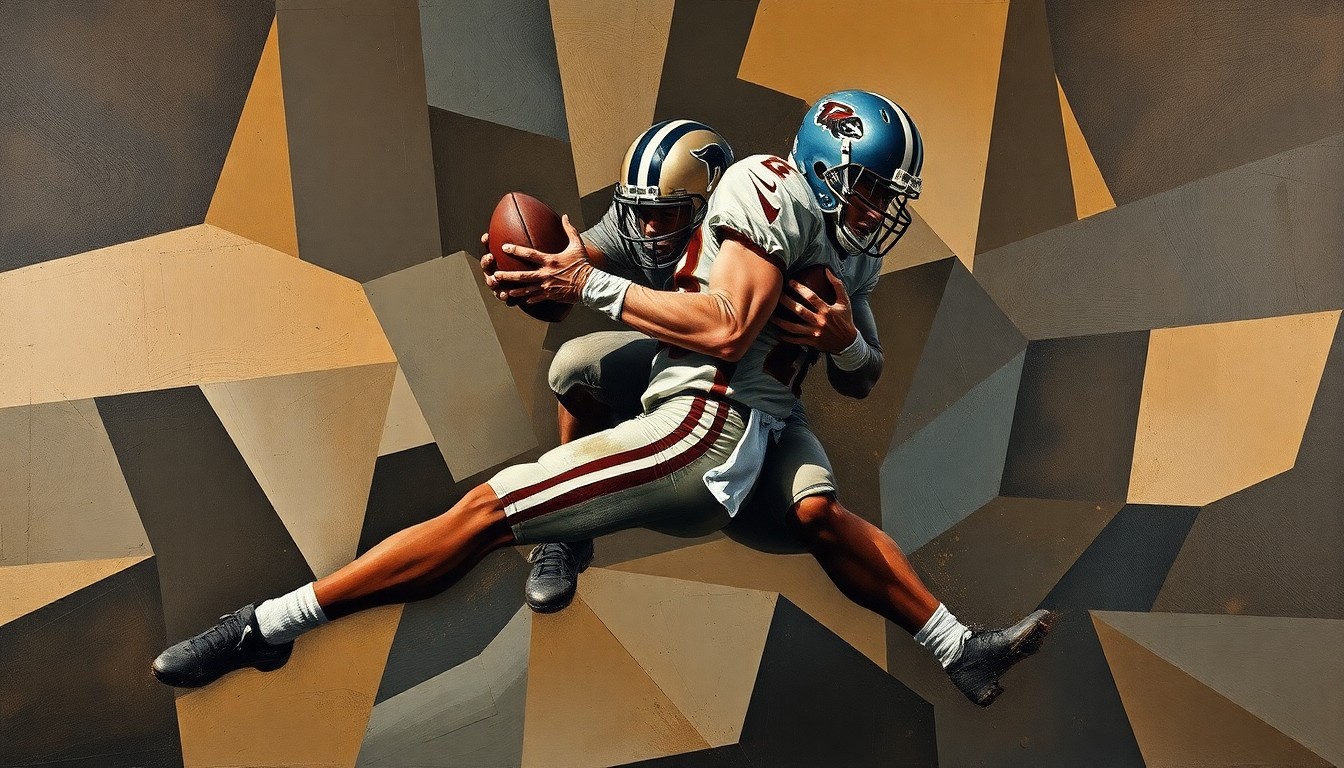 The fractured, geometric deconstruction of a violent football tackle reflects the complex neurological impacts of repetitive head trauma in contact sports.Boston Today
Hall of Famer Steve McMichael, a key member of the dominating defense that helped the 1985 Chicago Bears win the Super Bowl, has been diagnosed with chronic traumatic encephalopathy (CTE) after his death. McMichael died in 2025 at the age of 67, five years after he was diagnosed with ALS. His wife, Misty McMichael, donated his brain to inspire new research into the link between CTE and ALS in NFL players.
Why it matters
This case highlights the ongoing concerns about the long-term neurological impacts of repeated head trauma in contact sports like football. The diagnosis of CTE in McMichael, a dominant defensive player, underscores the need for further research and awareness around the connections between CTE, ALS, and other neurodegenerative diseases affecting former NFL athletes.
The details
According to the Concussion & CTE Foundation, McMichael was known as "Mongo" and "Ming The Merciless" while playing in a franchise-record 191 consecutive games for the Bears from 1981-1993. He was a two-time All-Pro and was inducted into the Pro Football Hall of Fame in 2024. After retiring from the NFL, McMichael went on to have a career in pro wrestling. In 2021, he revealed he was battling ALS, which affects nerve cells in the brain and spinal cord, causing loss of muscle control. He pledged his brain to be studied, leading to the CTE diagnosis after his death.
- McMichael died in 2025 at the age of 67.
- McMichael was diagnosed with ALS in 2020, five years before his death.
- McMichael was inducted into the Pro Football Hall of Fame in 2024.
The players
Steve McMichael
A Hall of Fame defensive lineman who was a key member of the dominant 1985 Chicago Bears defense that won the Super Bowl. He played in a franchise-record 191 consecutive games for the Bears from 1981-1993 and was known for his strength, toughness, and larger-than-life presence on the field.
Misty McMichael
The wife of Steve McMichael, who donated his brain to the Concussion & CTE Foundation after his death to inspire new research into the link between CTE and ALS in former NFL players.
Chris Nowinski
The co-founder and CEO of the Concussion & CTE Foundation, who praised Steve McMichael's final act of donating his brain to help further research into the neurological impacts of contact sports.
Dr. Ann McKee
The director of the Boston University CTE Center, who stated that there is strong evidence linking repetitive brain trauma and ALS.
What they’re saying
“Too many NFL players are developing ALS during life and diagnosed with CTE after death. I donated Steve's brain to inspire new research into the link between them.”
— Misty McMichael, Wife of Steve McMichael
“Steve McMichael was known for his strength, toughness, and larger-than-life presence, but his final act was to give a piece of himself back to the sports community so that we might have a chance to save ourselves.”
— Chris Nowinski, Co-founder and CEO, Concussion & CTE Foundation
“There is strong evidence linking repetitive brain trauma and ALS.”
— Dr. Ann McKee, Director, Boston University CTE Center
What’s next
Researchers at the Boston University CTE Center and the Concussion & CTE Foundation plan to conduct further studies on the link between CTE and ALS in former NFL players using the brain tissue donated by Steve McMichael and other athletes.
The takeaway
The tragic case of Steve McMichael, a dominant NFL defensive player who developed both CTE and ALS, underscores the urgent need for continued research and awareness around the long-term neurological impacts of contact sports. His final act of donating his brain will help drive new insights that could protect future generations of athletes.
Boston top stories

Boston events
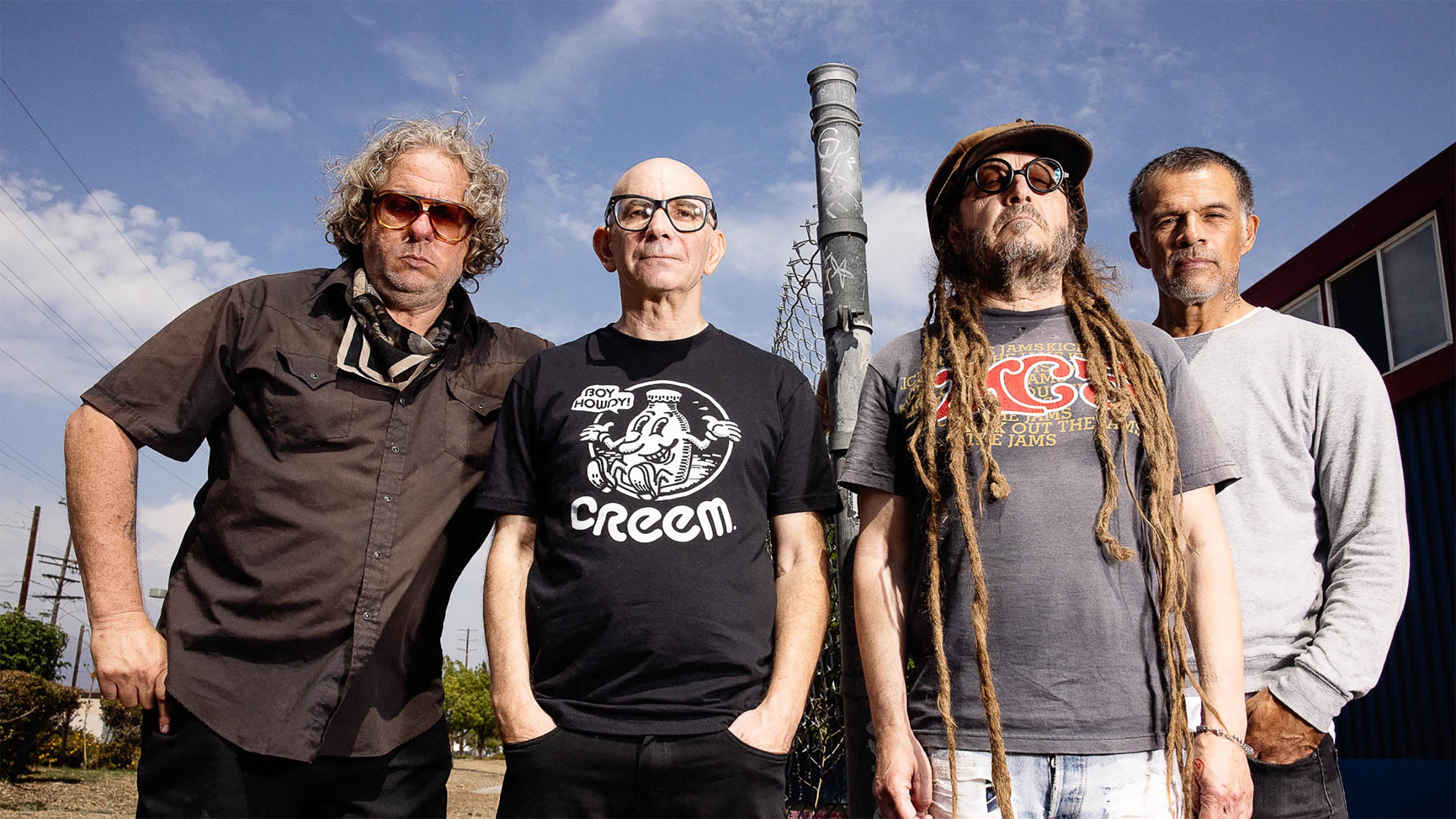
Apr. 9, 2026
Circle Jerks & Gorilla Biscuits
Apr. 9, 2026
Varials
Apr. 9, 2026
ODUMODUBLVCK - THE INDUSTRY MACHINE TOUR