- Today
- Holidays
- Birthdays
- Reminders
- Cities
- Atlanta
- Austin
- Baltimore
- Berwyn
- Beverly Hills
- Birmingham
- Boston
- Brooklyn
- Buffalo
- Charlotte
- Chicago
- Cincinnati
- Cleveland
- Columbus
- Dallas
- Denver
- Detroit
- Fort Worth
- Houston
- Indianapolis
- Knoxville
- Las Vegas
- Los Angeles
- Louisville
- Madison
- Memphis
- Miami
- Milwaukee
- Minneapolis
- Nashville
- New Orleans
- New York
- Omaha
- Orlando
- Philadelphia
- Phoenix
- Pittsburgh
- Portland
- Raleigh
- Richmond
- Rutherford
- Sacramento
- Salt Lake City
- San Antonio
- San Diego
- San Francisco
- San Jose
- Seattle
- Tampa
- Tucson
- Washington
EPA Proposes Microplastics and Pharmaceuticals as Drinking Water Contaminants
The move aims to address growing concerns over plastic pollution and drug residues in public water supplies.
Apr. 3, 2026 at 10:05pm
Got story updates? Submit your updates here. ›
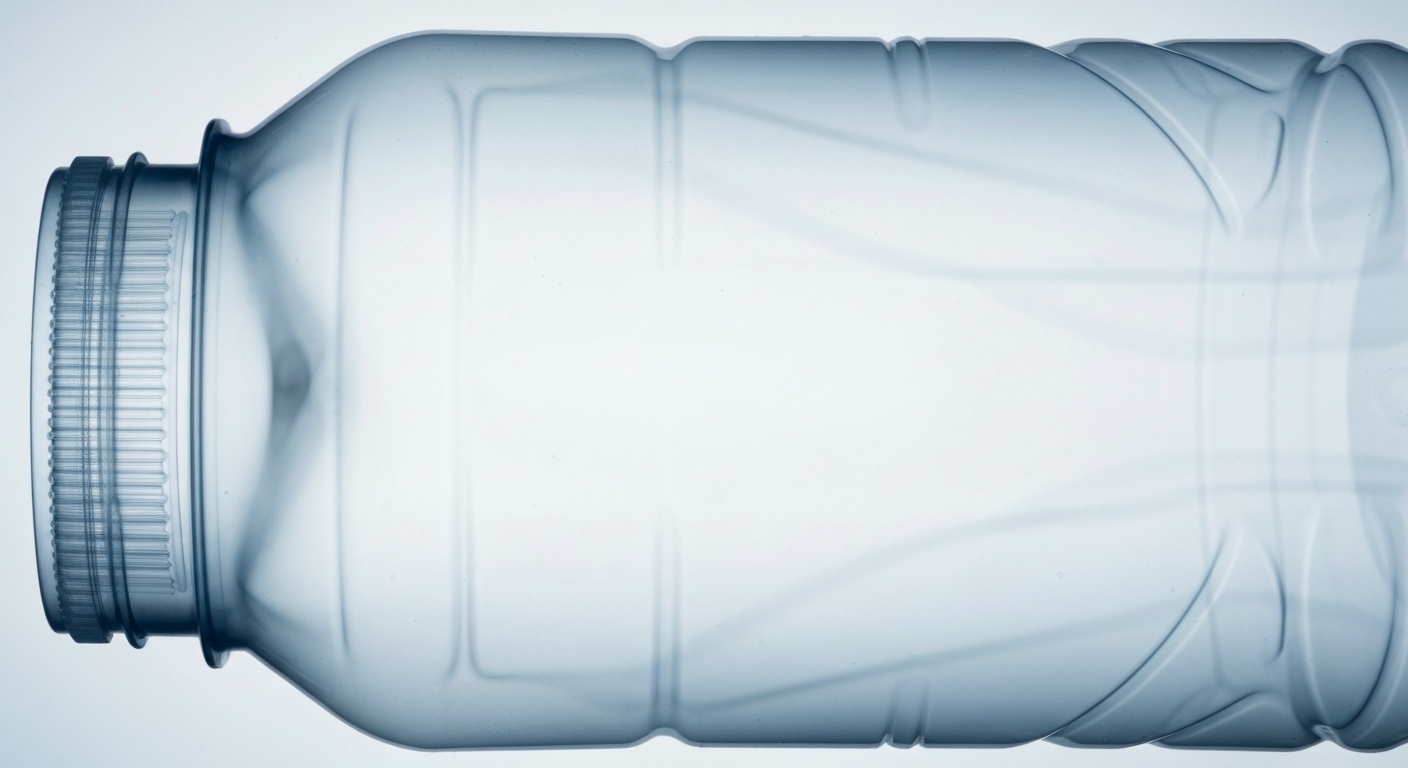 A ghostly X-ray image reveals the hidden presence of microplastics contaminating a common drinking water source.Boston Today
The Environmental Protection Agency has proposed adding microplastics and pharmaceuticals to its list of contaminants in drinking water, a step that could lead to new limits on those substances for water utilities. The announcement is part of the EPA's effort to respond to public concerns about the presence of plastics and drugs in drinking water and to support the MAHA movement's push for tougher environmental regulations.
Why it matters
The presence of microplastics and pharmaceutical residues in drinking water has raised growing health concerns, as studies have found these substances in people's bodies. Regulating them as contaminants could prompt water treatment plants to invest in new technologies to remove them, but the process of setting enforceable limits is often slow and faces industry opposition.
The details
The EPA's Contaminant Candidate List identifies substances in drinking water that are not currently regulated under the Safe Drinking Water Act. By adding microplastics and pharmaceuticals to this list, the agency is taking the first step toward potentially setting limits on how much of these contaminants can be present in public water supplies. However, the EPA has historically been slow to move contaminants off the list and into enforceable regulations.
- The EPA published the draft of the sixth version of the Contaminant Candidate List on April 3, 2026, opening a 60-day public comment period.
- The EPA expects to finalize the list by mid-November 2026.
The players
Lee Zeldin
The current EPA Administrator who announced the proposal to add microplastics and pharmaceuticals to the contaminant list.
Robert F. Kennedy Jr.
The founder of the MAHA movement, which has pressured the EPA to crack down on environmental contaminants like plastics and pesticides.
Erik Olson
A senior attorney at the Natural Resources Defense Council who works on drinking water protection and is skeptical of the EPA's ability to effectively regulate new contaminants.
Judith Enck
A former EPA regional administrator who now heads the advocacy group Beyond Plastics and sees the listing as a positive first step.
Philip Landrigan
The director of the Global Observatory on Planetary Health at Boston College, who says the EPA's move is in the right direction but that more action is needed to address the root cause of plastic pollution.
What they’re saying
“I can't think of an issue that hits closer to home for American families than the safety of their drinking water.”
— Lee Zeldin, EPA Administrator
“Including it in the list would be the first step toward eventually regulating microplastics in public water supplies and hopefully this is not the last step.”
— Judith Enck, Former EPA regional administrator, head of Beyond Plastics
“We can't treat what we cannot measure, we cannot regulate what we don't understand. Together, we're going to define the risk, build the tools and act on the evidence regarding microplastics.”
— Robert F. Kennedy Jr., Founder, MAHA movement
What’s next
The EPA will finalize the Contaminant Candidate List by mid-November 2026 after the 60-day public comment period. This will set the stage for potential future regulations on microplastics and pharmaceuticals in drinking water, though the process of developing and implementing such rules can take years.
The takeaway
The EPA's proposal to designate microplastics and pharmaceuticals as drinking water contaminants represents an important first step in addressing growing public health concerns over these emerging pollutants. However, the agency's track record suggests the path to enforceable regulations will be long and face significant industry opposition, underscoring the need for more urgent and comprehensive action to tackle plastic pollution and pharmaceutical waste at the source.