- Today
- Holidays
- Birthdays
- Reminders
- Cities
- Atlanta
- Austin
- Baltimore
- Berwyn
- Beverly Hills
- Birmingham
- Boston
- Brooklyn
- Buffalo
- Charlotte
- Chicago
- Cincinnati
- Cleveland
- Columbus
- Dallas
- Denver
- Detroit
- Fort Worth
- Houston
- Indianapolis
- Knoxville
- Las Vegas
- Los Angeles
- Louisville
- Madison
- Memphis
- Miami
- Milwaukee
- Minneapolis
- Nashville
- New Orleans
- New York
- Omaha
- Orlando
- Philadelphia
- Phoenix
- Pittsburgh
- Portland
- Raleigh
- Richmond
- Rutherford
- Sacramento
- Salt Lake City
- San Antonio
- San Diego
- San Francisco
- San Jose
- Seattle
- Tampa
- Tucson
- Washington
Perez, Royals Shine Early in MLB's New Automated Ball-Strike System
Catchers and teams have found early success challenging umpire calls under the new technology-driven system.
Mar. 31, 2026 at 4:00am
Got story updates? Submit your updates here. ›
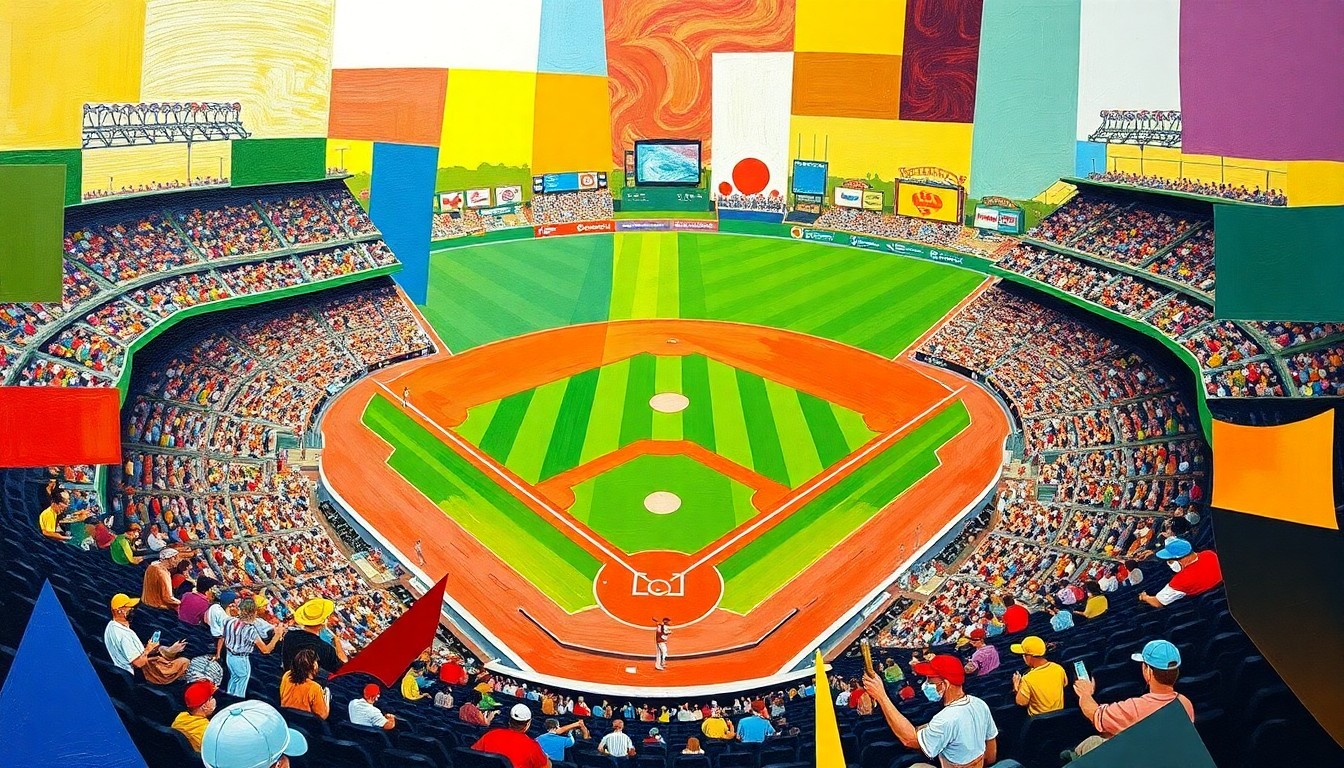 The new Automated Ball-Strike system has upended traditional baseball umpiring, leading to a flurry of challenges and overturned calls in the early going.Boston Today
In the first weekend of Major League Baseball's new Automated Ball-Strike (ABS) system, Kansas City Royals catcher Salvador Perez and his team have been among the most effective at utilizing the new challenge rules. Perez led all catchers by going 4-0 on challenges, while several other players and teams also found early success in overturning umpire calls.
Why it matters
The new ABS system, which uses 12 Hawk-Eye cameras to precisely measure the strike zone, represents a major technological shift in how balls and strikes are called in baseball. How players, managers, and umpires adapt to this new system in the early going will set the tone for the rest of the season and potentially impact the game in significant ways.
The details
Through the first 47 games of the season, challenges had a 53.7% success rate. Catchers succeeded on 64% of their challenges, while batters won 42% of theirs. Only five challenges were made by pitchers. The Cincinnati Reds batters went a perfect 6-0 on challenges, while the Atlanta Braves batters went 0-4. Umpire C.B. Bucknor had the poorest ABS results, with six of eight of his calls overturned.
- Through the first weekend of the 2026 MLB season (March 28-31).
- On Saturday, Boston Red Sox manager Alex Cora was ejected by umpire C.B. Bucknor for arguing a checked swing call.
- On Sunday, Minnesota Twins manager Derek Shelton became the first manager ejected for arguing an ABS call.
The players
Salvador Perez
The Kansas City Royals catcher, who led all catchers by going 4-0 on challenges in the first weekend of the ABS system.
Heliot Ramos
The San Francisco Giants outfielder, who was one of only two batters to go 2-0 on challenges.
Eugenio Suárez
The Cincinnati Reds infielder, who was the other batter to go 2-0 on challenges, winning his appeals on consecutive pitches.
Mike Trout
The three-time MVP of the Los Angeles Angels, who went 3-1 on challenges.
Ronald Acuna Jr.
The Atlanta Braves outfielder, who was the only batter to go 0-2 on challenges.
What they’re saying
“I don't know if I like it or not. I don't want the umpire to look bad.”
— Salvador Perez
“1-1 counts. Counts that are going to end the at-bat. Those are big challenge times.”
— Rob Thomson, Phillies Manager
“We have guidelines that we think are strategic and give us a good idea of when we want to challenge. A mid-at-bat challenge is different than a potential strikeout or walk.”
— Will Venable, Chicago White Sox Manager
“I feel bad for them because everybody has a bad day. The last thing you want to see is somebody get embarrassed. I don't care who it is, player, coach, umpire. I don't want to ever see anybody get embarrassed playing this game.”
— Rob Thomson, Phillies Manager
“I kind of believe there's going to be a change with the percentage of the ball that's touching. When the ball just nicks it, should that be a strike?”
— Pat Murphy, Milwaukee Brewers Manager
What’s next
As teams and players continue to adapt to the new ABS system, it will be important to monitor how the success rates of challenges evolve and whether any changes are made to the system's strike zone parameters.
The takeaway
The early results of the new Automated Ball-Strike system in MLB have shown that some players, teams, and umpires are finding more success than others in navigating the new technology. This transition period will likely set the tone for how the system is utilized and perceived throughout the rest of the season.
Boston top stories
Boston events

Mar. 31, 2026
The Outsiders (Touring)
Apr. 1, 2026
The Outsiders (Touring)
Apr. 2, 2026
The Outsiders (Touring)