- Today
- Holidays
- Birthdays
- Reminders
- Cities
- Atlanta
- Austin
- Baltimore
- Berwyn
- Beverly Hills
- Birmingham
- Boston
- Brooklyn
- Buffalo
- Charlotte
- Chicago
- Cincinnati
- Cleveland
- Columbus
- Dallas
- Denver
- Detroit
- Fort Worth
- Houston
- Indianapolis
- Knoxville
- Las Vegas
- Los Angeles
- Louisville
- Madison
- Memphis
- Miami
- Milwaukee
- Minneapolis
- Nashville
- New Orleans
- New York
- Omaha
- Orlando
- Philadelphia
- Phoenix
- Pittsburgh
- Portland
- Raleigh
- Richmond
- Rutherford
- Sacramento
- Salt Lake City
- San Antonio
- San Diego
- San Francisco
- San Jose
- Seattle
- Tampa
- Tucson
- Washington
Supreme Court Weighs Venue for Convicted Saudi Spy Case
Justices question whether charges against former Twitter employee were filed in the proper location.
Mar. 30, 2026 at 4:39pm
Got story updates? Submit your updates here. ›
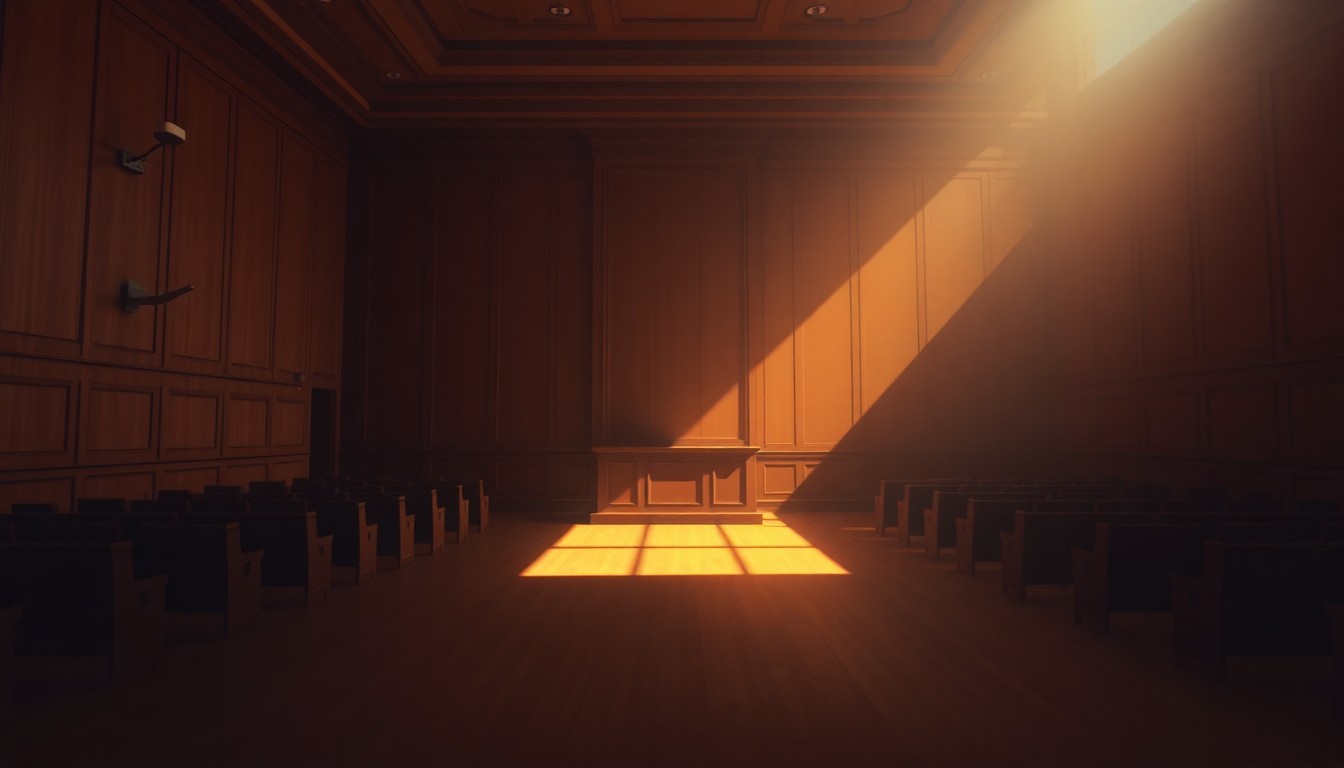 The Supreme Court's venue deliberations in the case of a former Twitter employee convicted of spying for Saudi Arabia raise profound questions about the constitutional right to a fair trial.Boston Today
The U.S. Supreme Court appeared ready to side with a former Twitter employee convicted of spying for Saudi Arabia, who argues he was charged with obstructing an investigation in the wrong venue. During oral arguments, the justices questioned how charging Ahmad Abouammo in California for falsifying an invoice in Seattle didn't violate the Sixth Amendment, making repeated comparisons to the Boston Tea Party taking place in Boston but causing effects in England.
Why it matters
This case raises important questions about the constitutional right to be tried in the location where a crime was allegedly committed, even if the effects of that crime were felt elsewhere. The Supreme Court's ruling could set a precedent for how venue is determined in future cases involving alleged crimes with geographically dispersed impacts.
The details
Abouammo is a former media partnerships manager for Twitter who was convicted of spying for Saudi Arabia. He was charged in California with obstructing an investigation into his activities, even though the alleged invoice falsification took place in Seattle. The justices questioned whether this violated Abouammo's Sixth Amendment rights by not trying him in the location where the crime occurred.
- The Supreme Court heard oral arguments in this case on March 30, 2026.
The players
Ahmad Abouammo
A former media partnerships manager for Twitter who was convicted of spying for Saudi Arabia.
John Roberts
The Chief Justice of the United States Supreme Court.
What they’re saying
“The Boston Tea Party takes place entirely in Boston, but it causes effects in England, so you'd let them take them back to England?”
— John Roberts, Chief Justice
What’s next
The Supreme Court is expected to issue a ruling in this case in the coming months, which could set an important precedent for how venue is determined in cases involving crimes with geographically dispersed impacts.
The takeaway
This case highlights the complex legal questions that can arise when alleged criminal acts have effects in multiple locations. The Supreme Court's decision will help clarify the boundaries of the Sixth Amendment's venue protections and could have significant implications for future prosecutions of crimes with far-reaching consequences.
Boston top stories



Boston events
Mar. 31, 2026
The Outsiders (Touring)
Apr. 1, 2026
The Outsiders (Touring)
Apr. 2, 2026
The Outsiders (Touring)