- Today
- Holidays
- Birthdays
- Reminders
- Cities
- Atlanta
- Austin
- Baltimore
- Berwyn
- Beverly Hills
- Birmingham
- Boston
- Brooklyn
- Buffalo
- Charlotte
- Chicago
- Cincinnati
- Cleveland
- Columbus
- Dallas
- Denver
- Detroit
- Fort Worth
- Houston
- Indianapolis
- Knoxville
- Las Vegas
- Los Angeles
- Louisville
- Madison
- Memphis
- Miami
- Milwaukee
- Minneapolis
- Nashville
- New Orleans
- New York
- Omaha
- Orlando
- Philadelphia
- Phoenix
- Pittsburgh
- Portland
- Raleigh
- Richmond
- Rutherford
- Sacramento
- Salt Lake City
- San Antonio
- San Diego
- San Francisco
- San Jose
- Seattle
- Tampa
- Tucson
- Washington
China Claims Cyborg Breakthrough To Build "Army of Centaurs"
Researchers unveil wearable robotic system that combines human and machine capabilities.
Mar. 21, 2026 at 8:20pm
Got story updates? Submit your updates here. ›
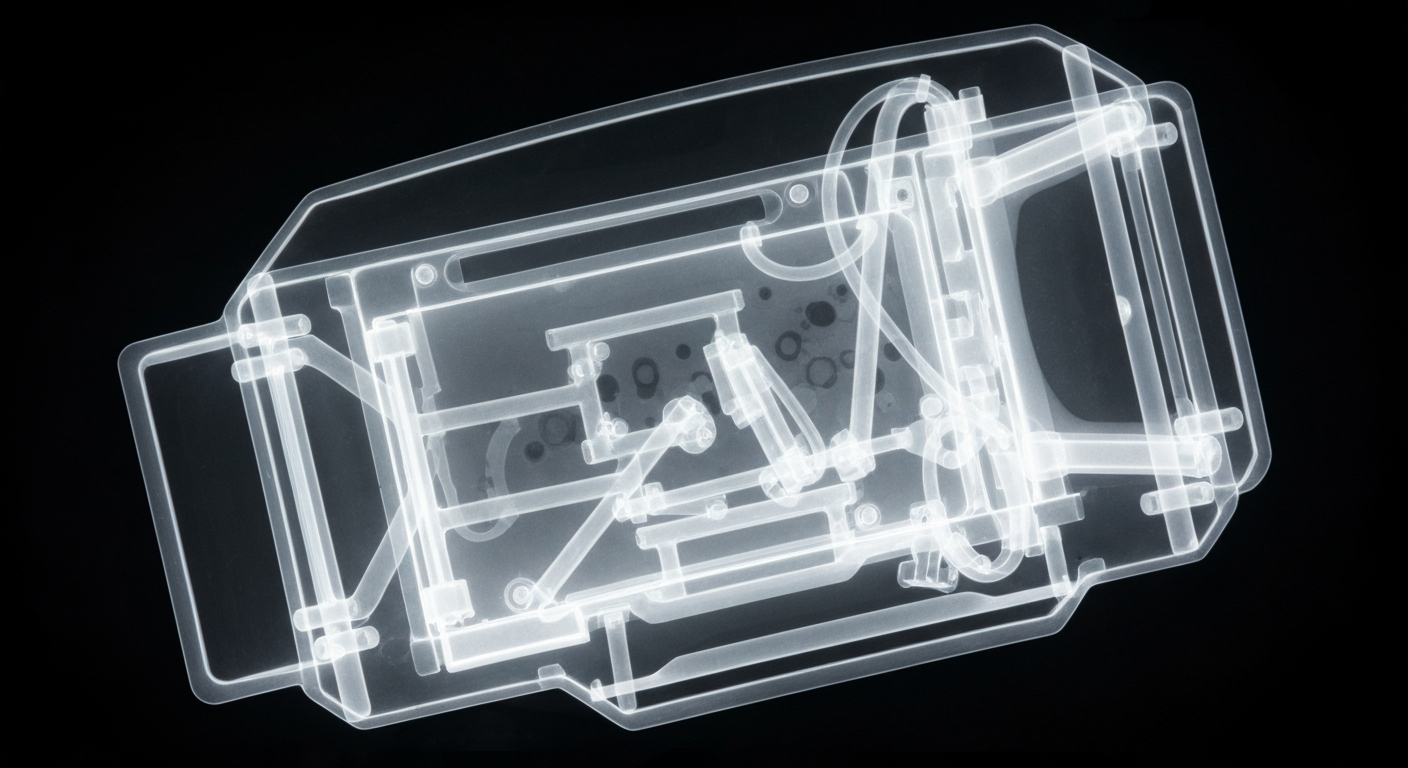
Researchers at Southern University of Science and Technology in Shenzhen, China have unveiled a wearable robotic system that adds a pair of independent mechanical legs and a torso framework to a human wearer, forming a four-legged hybrid to assist with carrying heavy loads across difficult terrain. The system is designed to combine human cognitive advantages in path planning and decision-making with robotic capabilities for load-bearing and endurance.
Why it matters
The breakthrough in human-machine hybrid technology has sparked speculation about potential military applications, as the Chinese military continues to invest in exoskeleton technologies to boost troop stamina. This development comes amid the escalating rivalry in robotics between the United States and China, with concerns raised over China's progress in humanoid robots presenting national security risks.
The details
The elastic coupling mechanism in the device synchronizes the robotic legs with the user's movements, allowing the hybrid to share more than half the payload weight while preserving natural gait and balance. In tests, the system cut the wearer's net metabolic cost of walking while carrying a 44-pound load by 35% compared with a conventional backpack and reduced peak plantar pressure by 52%.
- The research team at Southern University of Science and Technology in Shenzhen unveiled the wearable robotic system in 2026.
The players
Chenglong Fu
The lead researcher of the team that designed the wearable robotic system at Southern University of Science and Technology in Shenzhen.
Southern University of Science and Technology
A university in Shenzhen, China where the research on the wearable robotic system was conducted.
Boston Dynamics
A robotics company whose executives testified before a House Homeland Security subcommittee, warning that China's progress in humanoid robots presents national-security concerns.
Scale AI
A company whose executives testified before a House Homeland Security subcommittee, warning that China's progress in humanoid robots presents national-security concerns.
Greg Jackson
The CEO of the British energy company Octopus, who recounted touring a near-autonomous "dark factory" producing mobile phones with minimal human oversight in China.
What they’re saying
“We visited a dark factory producing some astronomical number of mobile phones. The process was so heavily automated that there were no workers on the manufacturing side, just a small number who were there to ensure the plant was working. You get this sense of a change, where China's competitiveness has gone from being about government subsidies and low wages to a tremendous number of highly skilled, educated engineers who are innovating like mad.”
— Greg Jackson, CEO, Octopus Energy
What’s next
The Chinese military's ongoing investment in exoskeleton technologies suggests potential military applications for these human-augmented systems, though the device's appearance has prompted criticism and mockery.
The takeaway
This breakthrough in human-machine hybrid technology highlights the escalating rivalry in robotics between the United States and China, with concerns raised over China's progress in humanoid robots presenting national security risks. The development also showcases China's shift towards highly skilled, educated engineers driving innovation in advanced manufacturing.
Boston top stories


Boston events

Apr. 11, 2026
Boston Bruins vs. Tampa Bay Lightning
Apr. 11, 2026
Shen Yun