- Today
- Holidays
- Birthdays
- Reminders
- Cities
- Atlanta
- Austin
- Baltimore
- Berwyn
- Beverly Hills
- Birmingham
- Boston
- Brooklyn
- Buffalo
- Charlotte
- Chicago
- Cincinnati
- Cleveland
- Columbus
- Dallas
- Denver
- Detroit
- Fort Worth
- Houston
- Indianapolis
- Knoxville
- Las Vegas
- Los Angeles
- Louisville
- Madison
- Memphis
- Miami
- Milwaukee
- Minneapolis
- Nashville
- New Orleans
- New York
- Omaha
- Orlando
- Philadelphia
- Phoenix
- Pittsburgh
- Portland
- Raleigh
- Richmond
- Rutherford
- Sacramento
- Salt Lake City
- San Antonio
- San Diego
- San Francisco
- San Jose
- Seattle
- Tampa
- Tucson
- Washington
New Estimates Reveal Gaps in US COVID Death Reporting
Study finds 19% more COVID-19 deaths than official records, disproportionately impacting marginalized communities
Mar. 20, 2026 at 6:15am
Got story updates? Submit your updates here. ›
A new study utilizing machine learning methods found that over 155,000 US COVID-19 deaths between March 2020 and December 2021 were not officially recorded, equating to 19% more deaths than federal data indicates. These unrecognized COVID-19 deaths disproportionately affected racial/ethnic minorities, low-income individuals, those with pre-existing conditions, and residents of the American South and areas with lower educational attainment.
Why it matters
The findings expose long-standing gaps and inequities in the US death investigation system, which has failed to accurately capture the true toll of the pandemic, especially on marginalized communities. Without an accurate count of who is dying and where, public health resources cannot be effectively targeted to the communities most impacted.
The details
The study utilized a novel machine learning approach to predict unrecognized COVID-19 deaths, building on the researchers' prior work using excess mortality models. By training the algorithm on federal data of hospital-verified COVID-19 deaths, they were able to more reliably estimate out-of-hospital COVID-19 deaths, which were 160% higher than official records. The analysis found significant underreporting of COVID-19 deaths among racial/ethnic minorities, low-income individuals, those with pre-existing conditions, and residents of the American South and areas with lower educational attainment.
- The study analyzed data from March 2020 through December 2021.
The players
Dr. Andrew Stokes
Associate professor of global health at Boston University School of Public Health and senior/corresponding author of the study.
Dr. Elizabeth Wrigley-Field
Associate professor of sociology at the University of Minnesota, Twin Cities and study coauthor.
Dr. Mathew Kiang
Assistant professor of epidemiology and population health at Stanford University and lead author of the study.
Dielle Lundberg
Research fellow in the Department of Global Health at Boston University School of Public Health and study coauthor.
Boston University School of Public Health
One of the top ten ranked schools of public health in the world, conducting policy-changing public health research.
What they’re saying
“Without an accurate count of who is dying and where, public health resources can't reach the communities that need them most.”
— Dr. Andrew Stokes, Associate professor of global health at Boston University School of Public Health
“It's especially striking that these results are so similar to the excess mortality estimates produced by the CDC, since those CDC estimates reflect the consequences of the pandemic itself, as well as the pandemic response.”
— Dr. Elizabeth Wrigley-Field, Associate professor of sociology at the University of Minnesota, Twin Cities
“Our findings underscore that well-documented disparities in the impact of the pandemic were likely even worse than previously described.”
— Dr. Mathew Kiang, Assistant professor of epidemiology and population health at Stanford
“Under-counting inequities in COVID-19 deaths can be viewed as both a manifestation of structural racism, ableism, and classism and as a mechanism preventing responsive policy action.”
— Dielle Lundberg, Research fellow in the Department of Global Health at Boston University School of Public Health
What’s next
The researchers recommend increased funding and training for death investigators, as well as increased hiring of medical examiners. They also note that machine learning methods could potentially be adapted to other settings where cause-of-death data may be incomplete, delayed, or suspected to be biased.
The takeaway
This study highlights the urgent need to reform the fragmented and underfunded US death investigation system, which has failed to accurately capture the true toll of the COVID-19 pandemic, especially on marginalized communities. Addressing these systemic gaps is crucial to ensuring public health resources reach the populations most impacted by the crisis.
Boston top stories



Boston events
Apr. 9, 2026
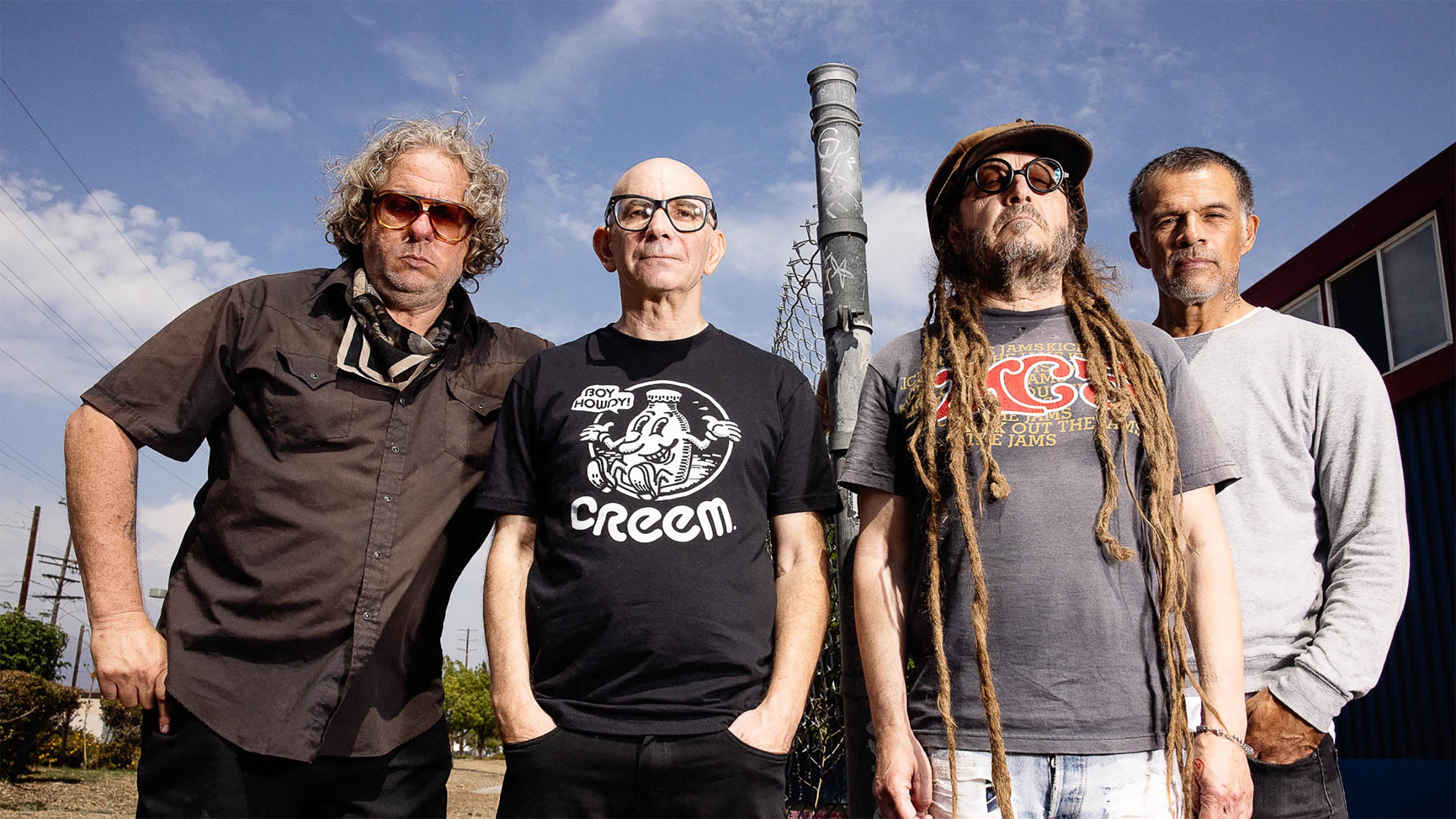
Circle Jerks & Gorilla Biscuits
Apr. 9, 2026
Varials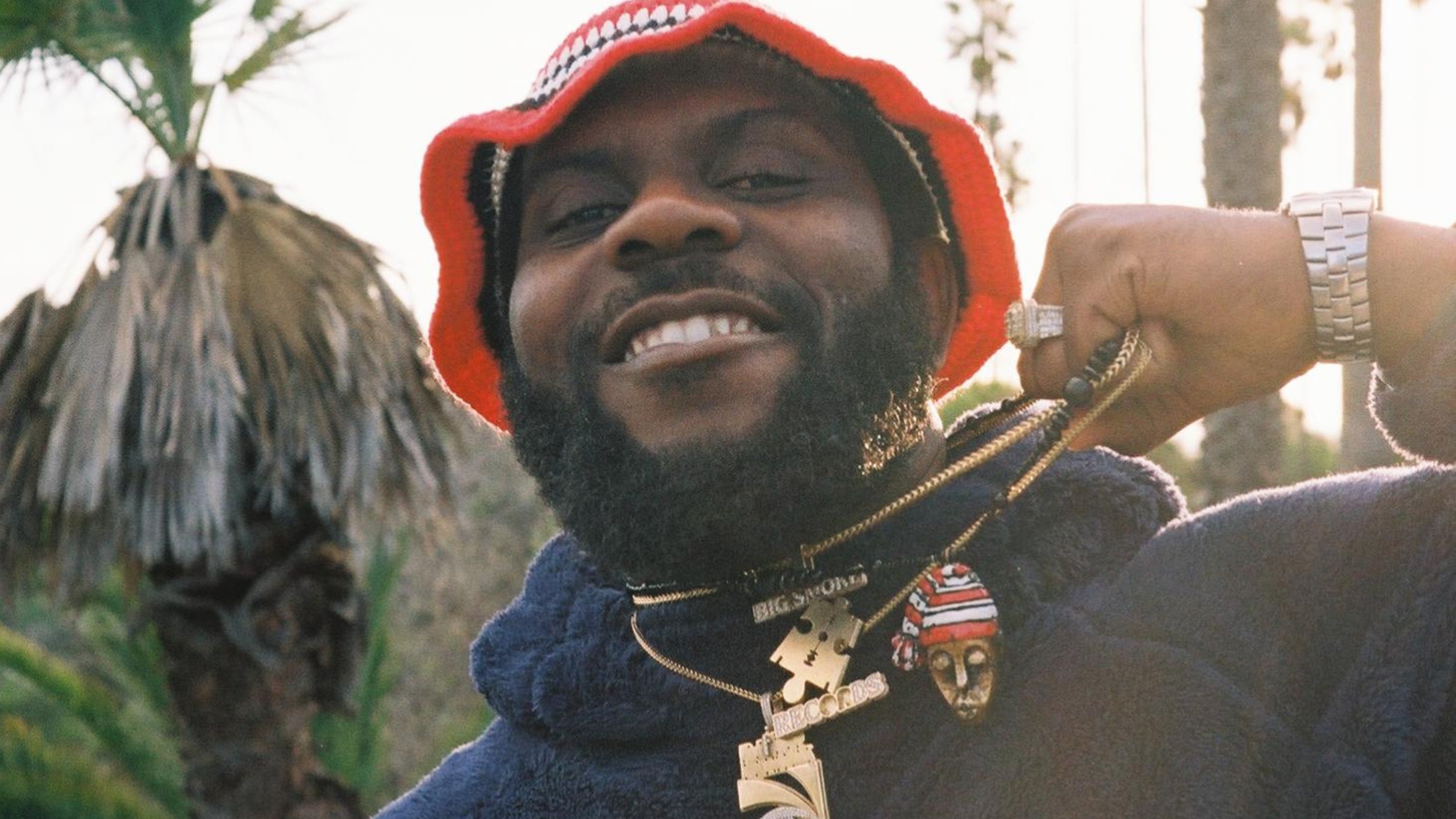
Apr. 9, 2026
ODUMODUBLVCK - THE INDUSTRY MACHINE TOUR