- Today
- Holidays
- Birthdays
- Reminders
- Cities
- Atlanta
- Austin
- Baltimore
- Berwyn
- Beverly Hills
- Birmingham
- Boston
- Brooklyn
- Buffalo
- Charlotte
- Chicago
- Cincinnati
- Cleveland
- Columbus
- Dallas
- Denver
- Detroit
- Fort Worth
- Houston
- Indianapolis
- Knoxville
- Las Vegas
- Los Angeles
- Louisville
- Madison
- Memphis
- Miami
- Milwaukee
- Minneapolis
- Nashville
- New Orleans
- New York
- Omaha
- Orlando
- Philadelphia
- Phoenix
- Pittsburgh
- Portland
- Raleigh
- Richmond
- Rutherford
- Sacramento
- Salt Lake City
- San Antonio
- San Diego
- San Francisco
- San Jose
- Seattle
- Tampa
- Tucson
- Washington
2026 is the year the marketing funnel finally dies
Sabri Suby explains why the traditional awareness-to-action model no longer reflects how people actually buy
Mar. 13, 2026 at 1:18pm
Got story updates? Submit your updates here. ›
The marketing funnel, a long-standing model in modern marketing, is becoming increasingly outdated as customer behavior has evolved. Consumers now research products across multiple platforms and devices simultaneously, making decisions faster than the linear funnel can accommodate. Structural shifts like privacy changes and the rise of digital-first competitors have further broken the assumptions the funnel relied on. Marketers must move away from the funnel and instead focus on influence maps that identify the touchpoints that genuinely influence customer decisions.
Why it matters
The traditional marketing funnel is no longer reflective of how customers actually make purchasing decisions in the digital age. Brands that continue to organize their marketing around the linear funnel model will struggle to keep up with faster-moving competitors that can capture intent wherever and whenever it appears.
The details
The marketing funnel assumes customers move neatly from awareness to consideration to conversion, but in reality, customers are sprinting across platforms, doubling back, and making decisions in moments. Privacy changes, declining email engagement, and fragmented customer journeys have broken the assumptions the funnel relied on. Consumers now research products simultaneously across multiple tabs, platforms and devices, forming decisions far more quickly than the funnel can accommodate. Marketers must shift to an 'influence map' framework that identifies the touchpoints that genuinely influence customer decisions, rather than trying to force customer behavior into a linear funnel.
- In 2026, the idea that people move politely from awareness to purchase will be increasingly detached from reality.
The players
Sabri Suby
The founder of Australia's fastest-growing digital marketing agency, King Kong.
Boston Consulting Group (BCG)
A global management consulting firm that has been calling out the limitations of the traditional marketing funnel for years.
What’s next
Many marketers are still clinging to the old marketing funnel playbook, but the truth is that this outdated model leaves no room for the new era of marketing where any interaction with a potential customer might be the moment they decide to convert. Brands must shift their focus to building a marketing system that can influence and convert customers wherever they encounter the brand.
The takeaway
The marketing funnel had its moment, but that moment has passed. In 2026, the brands that will win are those that can engineer their marketing as a complete customer acquisition system, not a sequence of isolated campaigns, and influence buyers wherever and whenever intent appears.
Boston top stories



Boston events

Mar. 13, 2026
A TRIBUTE TO THE QUEEN OF SOUL - ARETHA FRANKLIN
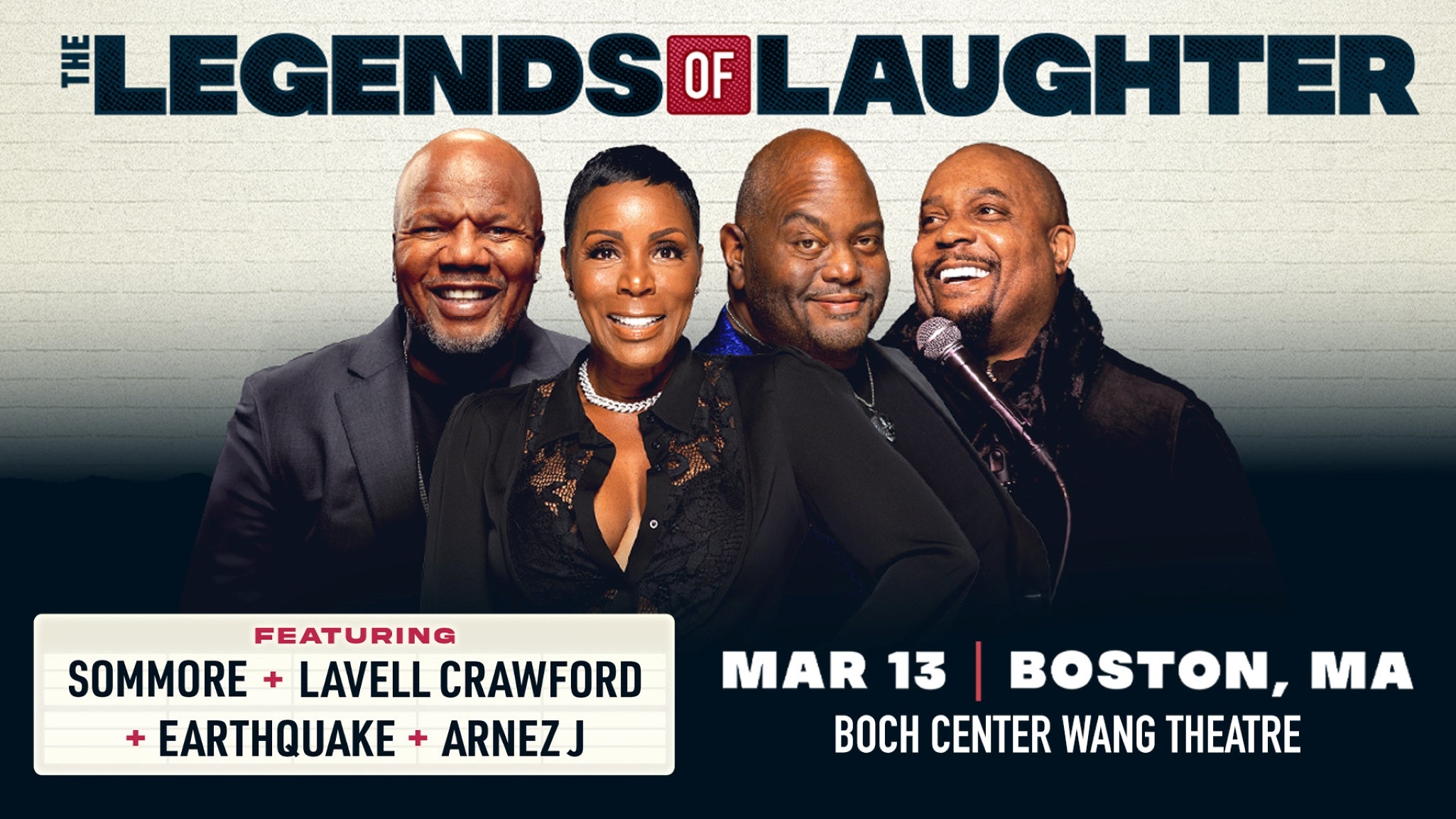
Mar. 13, 2026
Legends Of Laughter