- Today
- Holidays
- Birthdays
- Reminders
- Cities
- Atlanta
- Austin
- Baltimore
- Berwyn
- Beverly Hills
- Birmingham
- Boston
- Brooklyn
- Buffalo
- Charlotte
- Chicago
- Cincinnati
- Cleveland
- Columbus
- Dallas
- Denver
- Detroit
- Fort Worth
- Houston
- Indianapolis
- Knoxville
- Las Vegas
- Los Angeles
- Louisville
- Madison
- Memphis
- Miami
- Milwaukee
- Minneapolis
- Nashville
- New Orleans
- New York
- Omaha
- Orlando
- Philadelphia
- Phoenix
- Pittsburgh
- Portland
- Raleigh
- Richmond
- Rutherford
- Sacramento
- Salt Lake City
- San Antonio
- San Diego
- San Francisco
- San Jose
- Seattle
- Tampa
- Tucson
- Washington
New Orleans Races to Replace Aging Lead Pipes as Funding Remains Stuck
State lawmakers propose bills to unlock millions in federal dollars for lead pipe removal across the city.
Apr. 8, 2026 at 10:51pm
Got story updates? Submit your updates here. ›
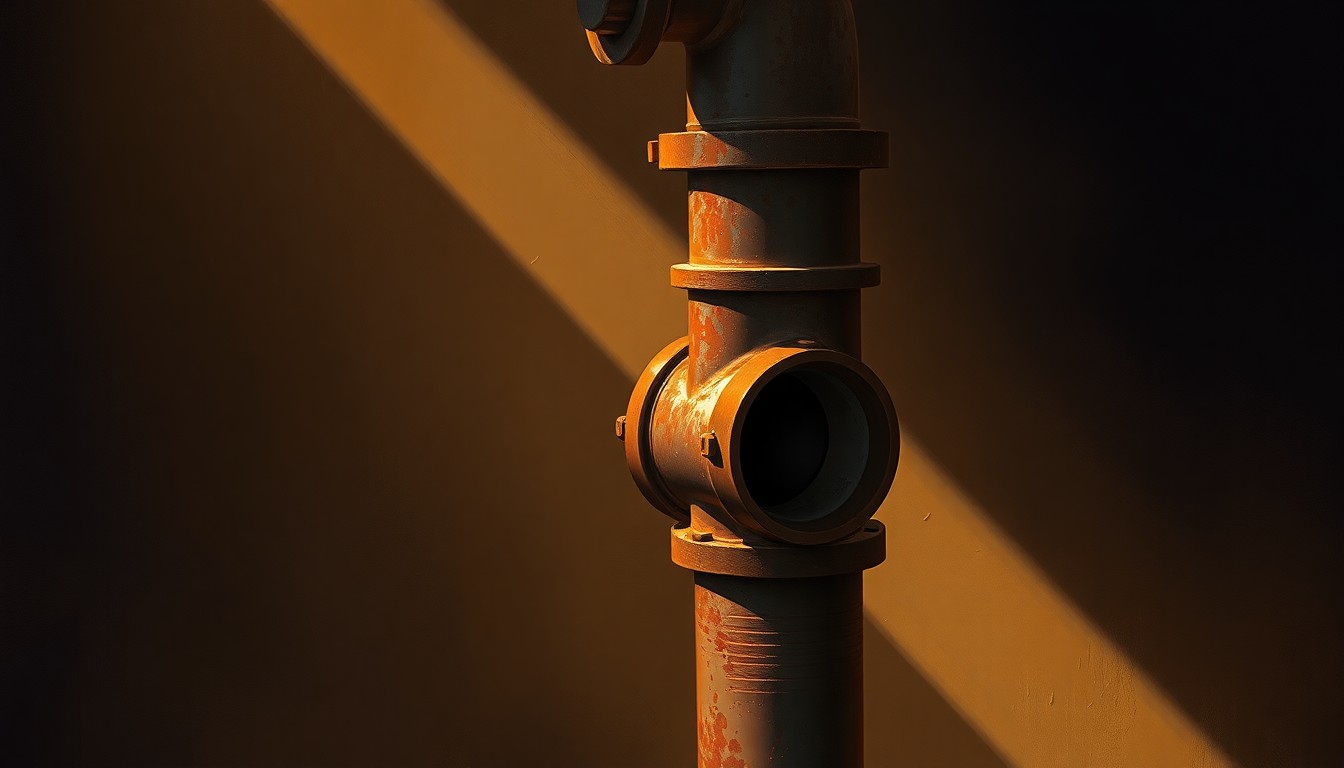 As New Orleans grapples with the widespread presence of aging lead pipes, the city's infrastructure challenges come into focus through a nostalgic, cinematic lens.New Orleans Today
New Orleans is grappling with the widespread presence of lead pipes in its aging water infrastructure, with data showing thousands of properties may still be connected to these hazardous lines. Despite over $150 million in available federal funding to address the issue, state laws are creating barriers that prevent the full replacement of both public and private lead service lines. Two bills have been introduced in the Louisiana legislature to try and unlock this funding and accelerate the replacement process, but experts warn it could still take years to fully address the problem across the city.
Why it matters
Lead exposure from aging pipes poses serious health risks, especially for children, and can impact multiple organs over time. Replacing these lines is critical for public safety, but the legal and funding obstacles have slowed progress. Resolving these barriers could help ensure equitable access to safe drinking water across all New Orleans neighborhoods, regardless of residents' ability to pay.
The details
Current data from the Sewerage and Water Board shows about 15,000 properties in New Orleans have confirmed lead service lines, with an additional 119,000 properties listed as 'unknown' - meaning the pipe material has not been verified. This uncertainty has left many residents concerned about potential lead exposure from their drinking water. Under federal rules, funding is now available to fully replace both the public and private portions of lead service lines. However, Louisiana law limits the use of public money on private property, creating a major obstacle. Two bills introduced by State Senator Royce Duplessis aim to address this issue - one would amend the state constitution to allow public funds for private line replacement, while the other would enable local governments to access private property and complete the work even without a constitutional change. Passing these measures could help unlock the $150 million in federal funding and accelerate the replacement process across New Orleans, though experts warn it will still likely take years to fully address the problem.
- The Sewerage and Water Board has current data showing about 15,000 properties with confirmed lead service lines.
- Over 119,000 properties in New Orleans have an 'unknown' pipe material, meaning the risk of lead exposure is unclear.
- Two bills proposed by State Senator Royce Duplessis are currently moving through the Louisiana legislature to address legal barriers to lead pipe replacement.
The players
Sewerage and Water Board
The public utility responsible for water and sewage services in New Orleans, which has data on the extent of lead pipes in the city's infrastructure.
Adrienne Katner
An LSU professor of public health who has studied lead exposure issues in New Orleans, warning that the aging and corroding lead pipes pose serious health risks.
State Senator Royce Duplessis
A Louisiana state legislator who has introduced two bills aimed at unlocking federal funding and removing legal barriers to fully replacing lead service lines in New Orleans.
What they’re saying
“A lot of people cannot afford to replace these lines, and without funding, you risk only fixing the problem in neighborhoods that can afford it.”
— Adrienne Katner, LSU Professor of Public Health
“When you have corroding pipes, some of that corrosion can come off, and that can serve as a big dose of lead.”
— Adrienne Katner, LSU Professor of Public Health
What’s next
The two bills proposed by State Senator Royce Duplessis must move through the Louisiana legislative process. If a constitutional amendment is required, it would then need to be approved by voters statewide before the funding barriers can be fully addressed.
The takeaway
Replacing New Orleans' aging lead pipes is a critical public health issue, but legal and funding obstacles have slowed progress. Resolving these barriers could help ensure equitable access to safe drinking water across all neighborhoods, but the scale of the problem means it will likely take years to fully address.
New Orleans top stories


New Orleans events

Apr. 8, 2026
Loyola's Uptown Threauxdown
Apr. 8, 2026
Roadway7 w/ The Cicadas & Collections
Apr. 8, 2026
Quarters