- Today
- Holidays
- Birthdays
- Reminders
- Cities
- Atlanta
- Austin
- Baltimore
- Berwyn
- Beverly Hills
- Birmingham
- Boston
- Brooklyn
- Buffalo
- Charlotte
- Chicago
- Cincinnati
- Cleveland
- Columbus
- Dallas
- Denver
- Detroit
- Fort Worth
- Houston
- Indianapolis
- Knoxville
- Las Vegas
- Los Angeles
- Louisville
- Madison
- Memphis
- Miami
- Milwaukee
- Minneapolis
- Nashville
- New Orleans
- New York
- Omaha
- Orlando
- Philadelphia
- Phoenix
- Pittsburgh
- Portland
- Raleigh
- Richmond
- Rutherford
- Sacramento
- Salt Lake City
- San Antonio
- San Diego
- San Francisco
- San Jose
- Seattle
- Tampa
- Tucson
- Washington
PCI alleviates chest pain in patients with chronically blocked coronary artery
ORBITA-CTO is the first randomized, sham-controlled trial to demonstrate that chronic total occlusion PCI can improve angina symptoms
Apr. 7, 2026 at 1:52pm
Got story updates? Submit your updates here. ›
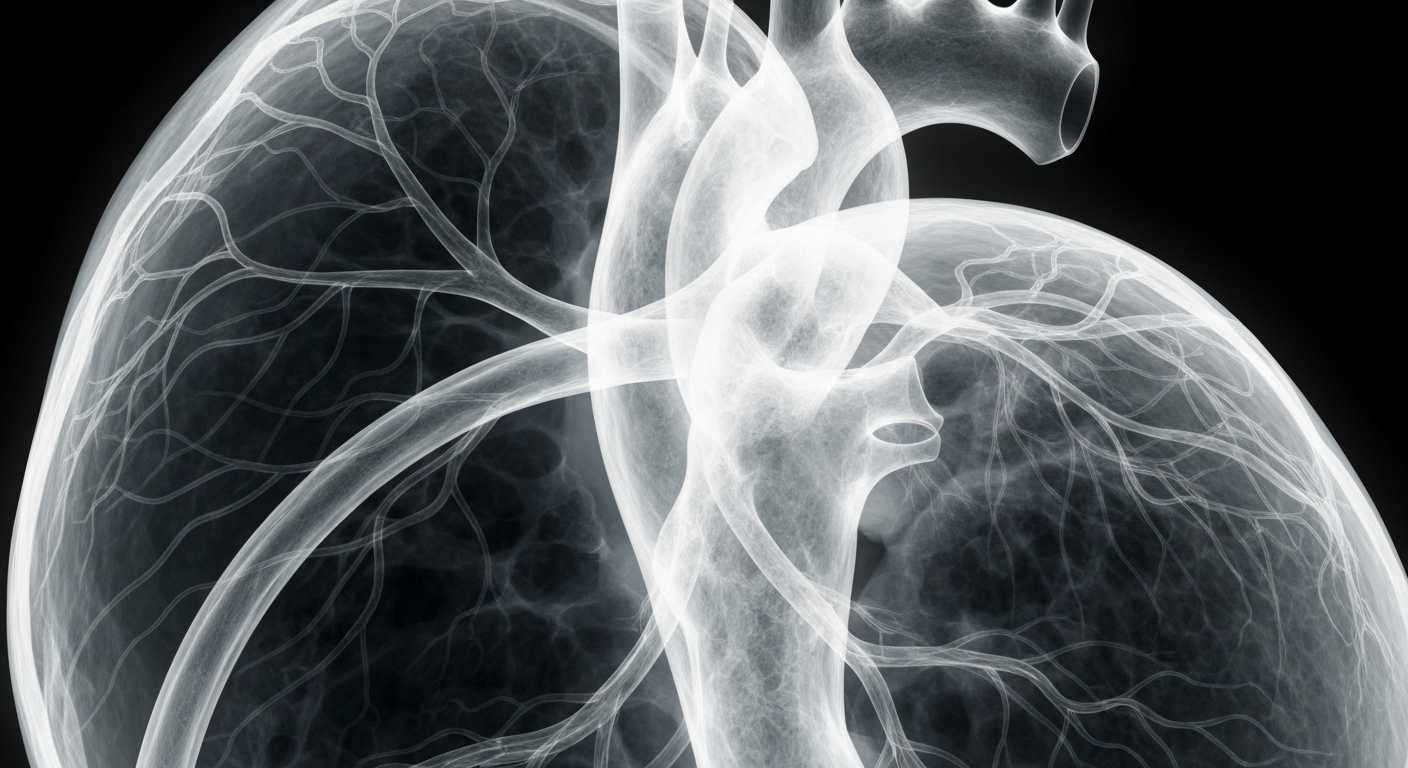 A groundbreaking study uses advanced imaging to reveal the hidden mechanics behind a common heart condition, paving the way for more effective treatment.New Orleans Today
Percutaneous coronary intervention (PCI) successfully alleviated chest pain symptoms in select patients with chronic total occlusion (CTO) and reduced the frequency of anginal events, according to findings from the ORBITA-CTO trial presented at the American College of Cardiology Scientific Session.
Why it matters
The ORBITA-CTO trial is the first randomized, sham-controlled study to demonstrate that CTO PCI can improve angina symptoms, separating the placebo effect from the true treatment effect. This supports the use of symptom-driven PCI in carefully selected patients with CTO through a heart team selection process in centers with specialist CTO operators.
The details
The ORBITA-CTO trial included 50 patients with single-vessel CTO, ischemia, viability, and symptomatic angina. Participants were randomly assigned to CTO PCI or a sham procedure, with all antianginal medications halted at randomization. Over 24 weeks of follow-up, patients in the CTO PCI group reported immediate, sustained improvement in angina symptom score, driven by a reduction in the number of angina episodes. Improvements were also seen in Seattle Angina Questionnaire scores, patient-reported physical limitation, disease-specific quality of life, and Canadian Cardiovascular Society angina severity class.
- The ORBITA-CTO trial was presented at the American College of Cardiology Scientific Session on April 7, 2026.
- The trial results were simultaneously published in the Journal of the American College of Cardiology.
The players
John Davies
Consultant interventional cardiologist at the Essex Cardiothoracic Centre and honorary senior lecturer at Anglia Ruskin University in Cambridge, U.K.
What they’re saying
“CTO PCI is offered to relieve angina. However, the evidence for CTO PCI is largely from open-label, nonblinded studies, and that presents two major problems. First of all, isolating the true physiological effect of PCI in a nonblinded, open-label study is impossible because of the placebo effect. Second of all, there are treatment crossovers reasonably frequently in these types of trials, and that compromises the results.”
— John Davies, Consultant interventional cardiologist
“This is the first randomized placebo-controlled study of CTO PCI, and it sets a new standard for evaluating CTO PCI. It separates the placebo effect from the true treatment effect, and in doing so, it proves the CTO PCI improves angina, which is immediate, sustained and consistent. This supports symptom-driven PCI in carefully selected patients through a heart team selection in centers with specialist CTO operators.”
— John Davies, Consultant interventional cardiologist
What’s next
The findings from the ORBITA-CTO trial provide strong evidence supporting the use of CTO PCI to alleviate angina symptoms in carefully selected patients, which could lead to updated clinical guidelines and more widespread adoption of this procedure.
The takeaway
The ORBITA-CTO trial is a landmark study that demonstrates the true symptomatic benefit of CTO PCI, separating the placebo effect from the physiological impact of the procedure. These results support the use of CTO PCI as a treatment option for patients with chronic total occlusions and angina, when performed by experienced operators in specialized centers.
New Orleans top stories


New Orleans events

Apr. 8, 2026
Loyola's Uptown Threauxdown
Apr. 8, 2026
Roadway7 w/ The Cicadas & Collections
Apr. 8, 2026
Quarters